
Last updated September 24, 2026
How to Hire a Insulation Contractor in Cedar Park: A Step-by-Step Guide
If a contractor quotes an attic job over the phone without asking whether your HVAC equipment is inside or outside the conditioned envelope, they are pricing material, not performance - and those are different products. In Cedar Park, where summer attic temperatures routinely hit 140°F and winter cold snaps drive heat loss through every gap, the difference matters. Most guides tell you to get three bids and check reviews; for more guides & resources, see our blog. This one gives you the seven technical questions whose answers separate contractors who understand building science from those who are just blowing product into your attic.
Quick Answer
To hire a insulation contractor in Cedar Park, verify TDLR registration and general liability insurance, demand a written scope that lists air sealing separately from insulation with pre- and post-job blower-door verification, and reject any bid that quotes R-value without specifying installed depth at settlement. The right contractor will answer technical questions in the units building scientists use - ACH50, CFM50, conditioned vs. unconditioned - and deliver documented proof of performance, not just a receipt for materials.
Table of Contents
- Seven Technical Questions That Separate Real Contractors From Product Pushers
- What a Written Scope of Work Must Include
- License and Insurance Requirements in Texas
- Red Flags in Bids and Proposals
- What Documentation You Should Receive at Completion
- How Cedar Park’s Climate and Code Affect Your Project
- What Insulation Projects Cost in Cedar Park
- Common Mistakes to Avoid
- When to Call a Professional
- Frequently Asked Questions
- The Bottom Line
Seven Technical Questions That Separate Real Contractors From Product Pushers
These questions expose whether a contractor treats your home as a system or as a delivery address for bags of insulation. Ask them in order. Write down the answers.
1. “What ACH50 do you expect after air sealing, and what was your last project’s result?”
ACH50 - air changes per hour at 50 Pascals of pressure - is the standard metric for how tight a home is after blower-door testing. A contractor who cannot answer in these units has probably never run a blower door. In Cedar Park’s climate zone (IECC Zone 2), a well-sealed existing home should achieve between 3 and 5 ACH50 depending on size and construction era. Pre-1990 homes in Ranch at Brushy Creek or Block House Creek often start at 8-12 ACH50. If the contractor talks about “feeling drafts” or “looking for gaps” without referencing a number, they are not measuring performance.
Passing answer: “Your 1985 ranch will likely test around 9 ACH50 before we start. We target 5 ACH50 after sealing top plates, can lights, and the attic access hatch. Our last job in Cedar Park came in at 4.2.”
Failing answer: “We don’t need a blower door. We can see where the air leaks are.”
2. “Is my HVAC air handler in the conditioned envelope, and does that change your approach?”
This question reveals whether the contractor understands the difference between thermal boundary and pressure boundary. In many Cedar Park homes built 1995-2010, the air handler sits in a vented attic - meaning every duct leak pumps conditioned air into that 140°F space. A contractor who plans to add insulation without addressing duct leakage or air handler location is treating symptoms. If the air handler is in the attic, the insulation strategy changes: you may need to bring the attic into the conditioned envelope with spray foam insulation in Cedar Park, or at minimum seal and insulate the ductwork before adding attic floor insulation.
Passing answer: “Your air handler is in the vented attic. We’ll inspect the duct seams with a smoke pencil and seal them with mastic before we touch the floor insulation. Otherwise we’re insulating around a hole in your envelope.”
Failing answer: “We just do the insulation. You’d need an HVAC guy for ducts.”
3. “Do you seal top plates and electrical penetrations before blowing insulation, and is that a separate line item?”
Top plates - the horizontal framing member where wall studs meet the ceiling - are the most common missed leak path in Texas attics. Every electrical wire, plumbing vent, and duct chase punches through this plate. A contractor who blows fiberglass or cellulose over unsealed top plates is installing a filter, not a barrier. The air will move right through the insulation. In our experience across Cedar Park, particularly in the older sections of Buttercup Creek and Cedar Park Center, unsealed top plates account for 15-25% of total envelope leakage.
Passing answer: “Yes, we foam-seal every top plate joint and penetration with one-part polyurethane, then verify with a blower-door midpoint test. It’s line item 3 on your written scope.”
Failing answer: “The insulation will seal those up once it’s in place.”
4. “What installed depth do you guarantee, and what is the settled depth?”
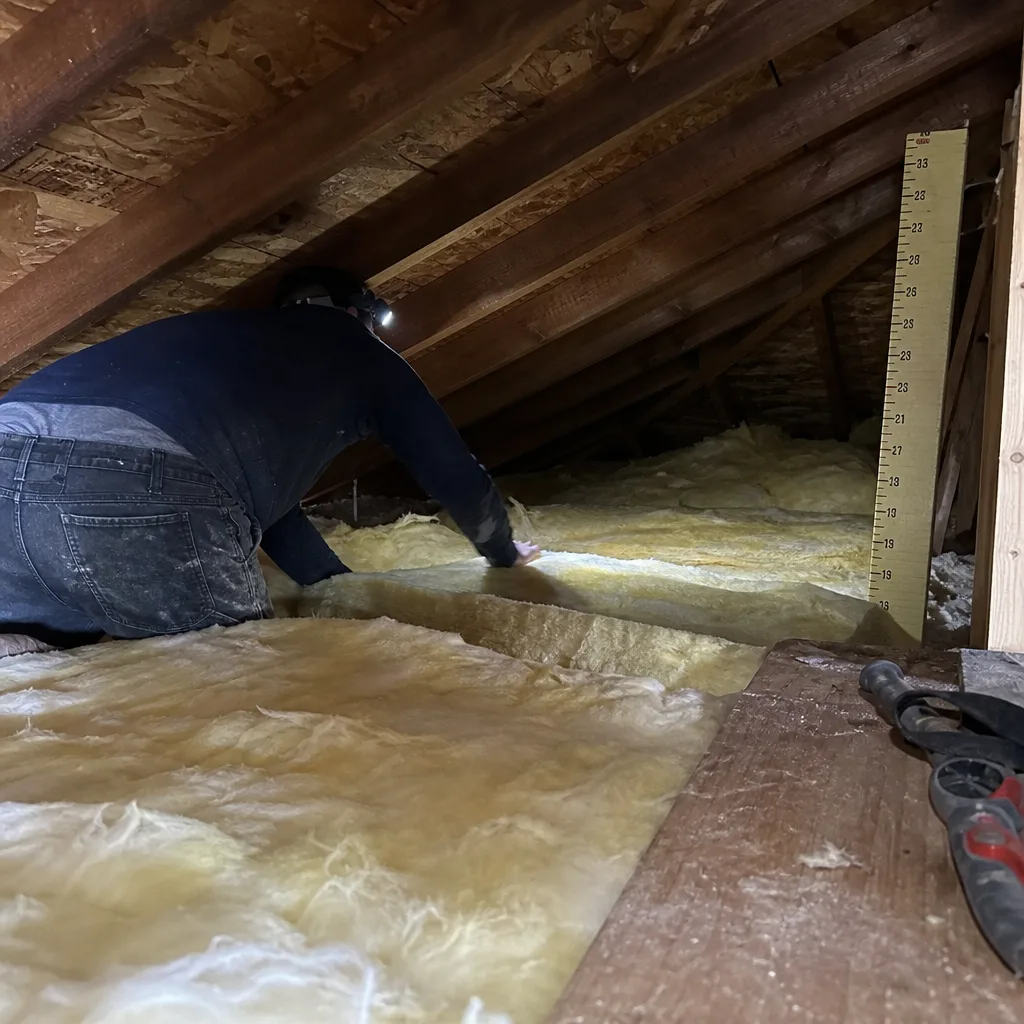
Blown-in cellulose and fiberglass settle 10-20% after installation. A contractor who quotes “R-38” without specifying installed depth is either uninformed or deliberately vague. For cellulose, R-38 requires roughly 10.5 inches installed to settle to 9 inches. For fiberglass, it’s closer to 14 inches installed to settle to 12. The depth should be marked on your rafters or trusses with a permanent marker, and verified with a yardstick before the crew leaves.
Passing answer: “We’ll install 11 inches of GreenFiber cellulose, marked at 10 locations across your attic. At settlement, you’ll have 9.5 inches - verified at your walkthrough.”
Failing answer: “We blow to R-38. It’ll look full when we’re done.”
5. “How do you handle can lights and other ceiling penetrations?”
Recessed can lights are fire-rated penetrations that break the air barrier. IC-rated (insulation contact) cans can have insulation directly against them. Non-IC cans cannot - they require a fire-rated cover or box, then air sealing, then insulation. A contractor who blows insulation against non-IC cans is creating a fire hazard. In Cedar Park homes built during the 2000s construction boom, we’ve found mixed IC and non-IC installations even within the same ceiling - often because original owners upgraded fixtures without checking ratings.
Passing answer: “We inspect every can for IC rating. Non-IC cans get a Tenmat cover or similar fire-rated enclosure, sealed with fire-stop caulk, then insulated over.”
Failing answer: “We just blow around them. The insulation won’t catch fire.”
6. “What is your ventilation strategy, and how do you confirm it post-installation?”
Adding insulation without confirming attic ventilation can trap moisture and void shingle warranties. Cedar Park’s humid subtropical climate means summer dew points above 70°F - moisture management is not optional. A proper scope includes verification of soffit vent clearances (baffles installed to maintain airflow), ridge vent or power vent function, and net free area calculations. The contractor should measure, not assume.
Passing answer: “We’ll install baffles at every soffit bay, verify your ridge vent isn’t blocked by existing insulation, and calculate NFA to the 1:300 rule. Photos in your Documented Photo Record.”
Failing answer: “Your house has vents. That’s fine.”
7. “What documentation do I receive when the job is done, and can I see an example from a recent project?”
This question tests whether the contractor’s process produces evidence or just a final invoice. A performance-based contractor should be eager to show you a previous project’s documentation package. If they hesitate, they may not produce consistent records.
Passing answer: “You’ll get a written scope completion checklist, before-and-after blower-door readings, depth verification photos at 10+ locations, and your warranty. Here’s a redacted example from a Leander job last month.”
Failing answer: “We give you a receipt. The work speaks for itself.”
What a Written Scope of Work Must Include
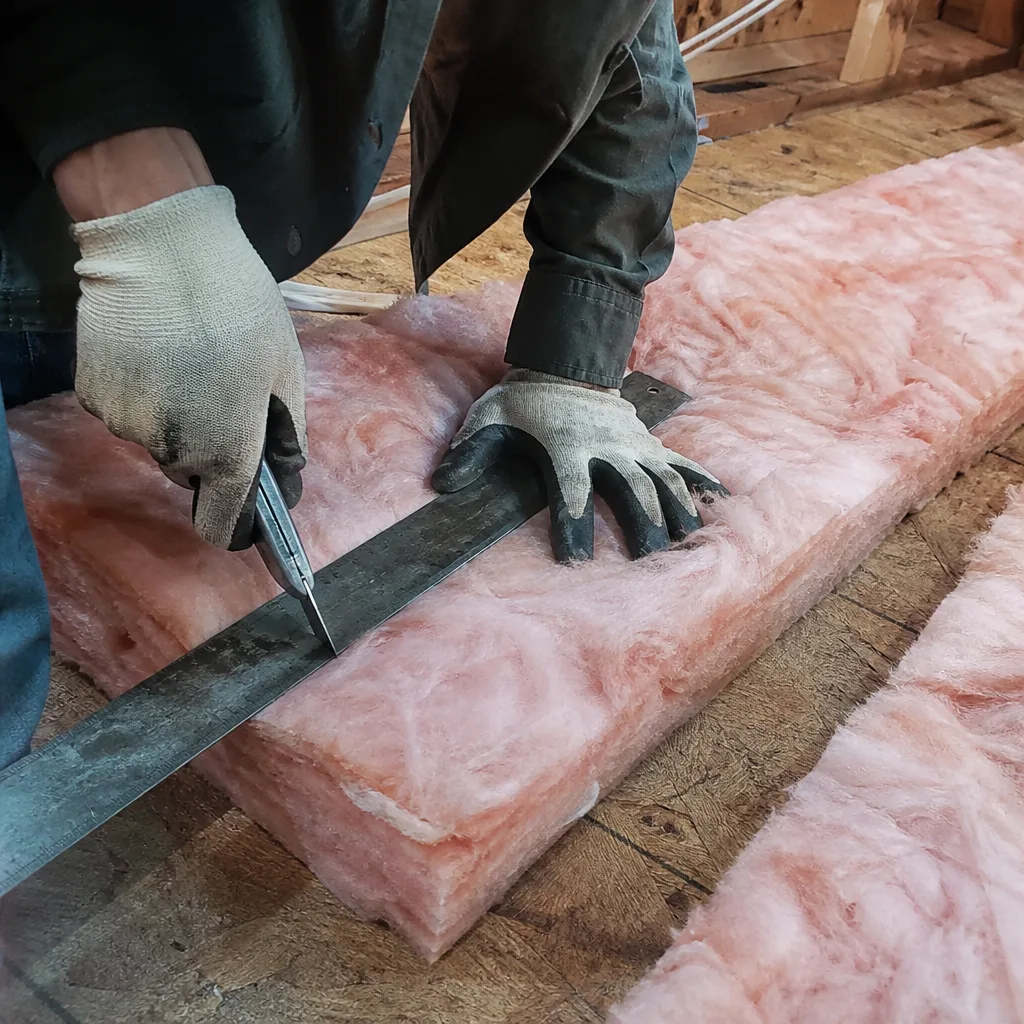
A written scope is not a quote. It is a contract for performance, and it should read like one. Under Haven Standard Clause 1, every job begins with a written price - but the scope is what makes that price meaningful. Here’s what belongs in the document you sign before any work starts:
- Pre-job blower-door reading. The baseline CFM50 or ACH50, measured with the home depressurized to 50 Pascals. Without this number, there is no way to prove improvement.
- Air-sealing line items listed separately from insulation. “Seal top plates, electrical penetrations, plumbing vents, duct chases, and attic access hatch” should appear as distinct tasks with their own labor and material allocations. Bundling them into “attic insulation” makes them disappear.
- Insulation specification by type, brand, and R-value. “Owens Corning AttiCat fiberglass, R-38, installed to 14 inches before settlement” - not “blow in insulation to R-38.”
- Installed depth at settlement. The depth the material will measure after 30-90 days, with verification method.
- Post-job verification method. Blower-door retest, thermal imaging scan, or both. The scope should state the target number and who pays if it’s missed.
- Ventilation confirmation. Soffit baffles, ridge vent function, and any required repairs to maintain airflow.
- Cleanup and protection measures. Floor protection, containment for blown material, and debris removal.
- Warranty terms. Duration, coverage, and process for claims - in writing, not verbal.
In Cedar Park, we’ve reviewed competitor scopes that listed only “insulate attic to R-38, $X,XXX.” That is a material delivery receipt, not a performance contract. The homeowner who signs it has no recourse if the house leaks the same after as before.
License and Insurance Requirements in Texas
Texas does not license insulation contractors at the state level. Instead, the Texas Department of Licensing and Regulation (TDLR) registers contractors under the Air Conditioning and Refrigeration Contractors program if they perform any HVAC-adjacent work - including duct sealing in attics, which most insulation projects touch. For details on requirements, read Insulation Permits, Codes & Inspections in TX: What You Need to Know. Here’s the baseline you should verify:
- TDLR registration: Ask for the contractor’s TDLR number and verify it at tdlr.texas.gov. Active status is required for any work involving ducts or air handlers.
- General liability insurance: Minimum $1 million per occurrence is standard for residential envelope work. Request a certificate of insurance (COI) that names you as the certificate holder for the project duration.
- Workers’ compensation: Texas does not mandate this, but a contractor without it exposes you to liability if a worker is injured on your property. Verify coverage or confirm the contractor carries statutory employer’s liability.
- Local permits: Cedar Park does not require a separate permit for insulation-only work, but if your project involves electrical modifications (can light enclosures, for example), an electrical permit through the City of Cedar Park Building Department may apply. The contractor should handle this and provide the permit number.
We carry general liability and workers’ compensation coverage, and we provide COIs on request for every Cedar Park project. Under Haven Standard: Have it in writing - if a contractor won’t document their coverage, that is documentation in itself.
Red Flags in Bids and Proposals
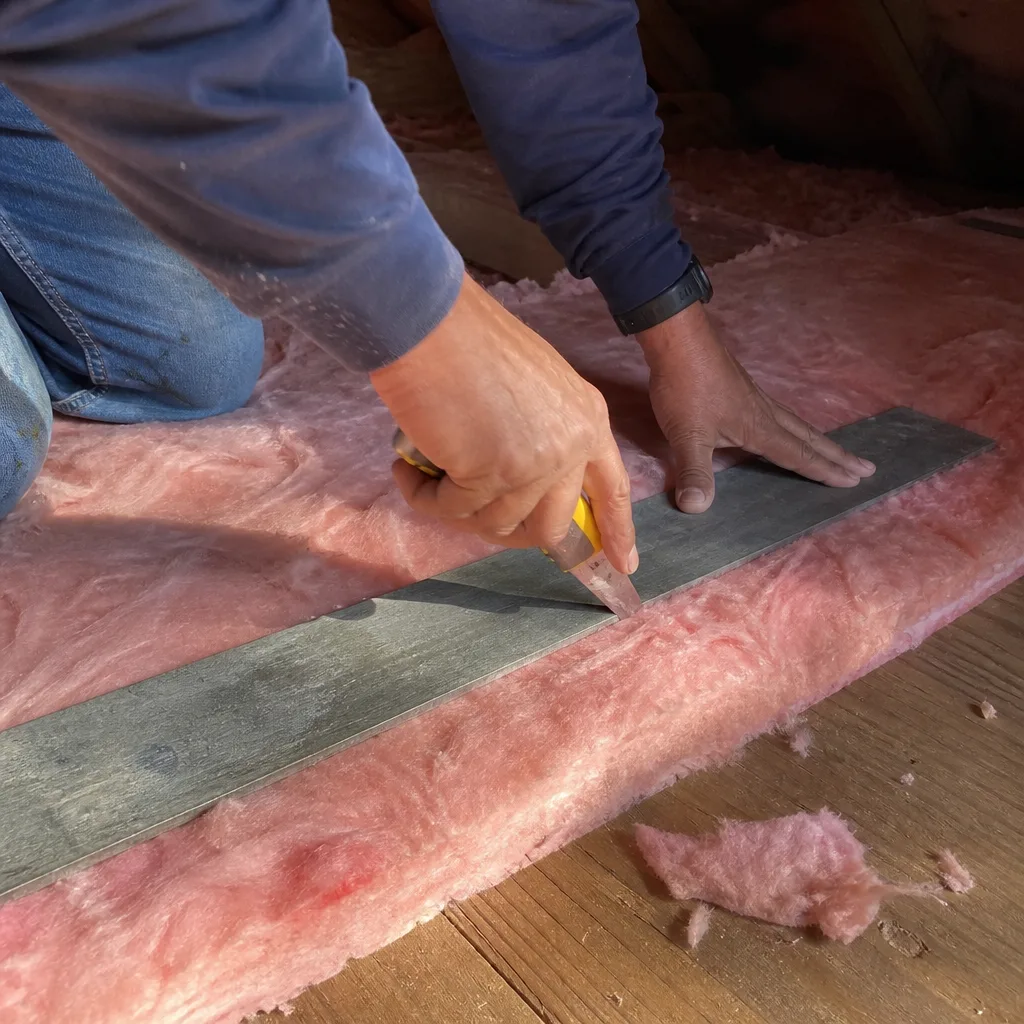
These patterns appear frequently in Cedar Park competitive bids. Each one indicates a contractor who is pricing material, not performance:
- Lump-sum pricing with no material specification. “$3,500 for attic insulation” tells you nothing about what you’re buying. Demand line-item breakdowns.
- R-value listed without air-sealing scope. R-value measures resistance to conductive heat flow. It does not account for convective losses through leaks. A bid that mentions R-value but not ACH50 or CFM50 is incomplete.
- No mention of attic ventilation confirmation. In Cedar Park’s climate, blocked soffits or a covered ridge vent will trap moisture and degrade performance within two seasons.
- Phone quotes without site visit. No contractor can assess envelope leakage, duct location, or can light types without entering the attic. A phone quote is a guess, and guesses go low to get the job.
- “We’ll match any competitor’s price.” This signals commodity pricing, not performance contracting. The right question is not “how cheap” but “what result.”
- No reference to settlement depth. Installed depth and settled depth are different numbers. A contractor who conflates them is either inexperienced or misleading.
What Documentation You Should Receive at Completion
The job is not done when the crew leaves. It is done when you hold documentation that proves what was accomplished. Here’s what a performance-based contractor delivers:
| Document | What It Proves | Red Flag If Missing |
|---|---|---|
| Completed written scope checklist | Every line item was executed | No verification of air-sealing completion |
| Before-and-after blower-door readings | Quantified air-leakage reduction | Only “feels tighter” or no test at all |
| Depth verification photos (10+ locations) | Installed depth meets specification | Single photo or no photographic record |
| Ventilation confirmation photos | Soffit baffles and exhaust vents functional | No mention of ventilation |
| Warranty document | Coverage terms in writing | Verbal warranty only |
| Final invoice matching written price | No scope creep or surprise charges | Charges beyond original written price |
At Envelope Insulation Co., we call this the Documented Photo Record - included on every job, not available on request. You receive it before the crew departs, not weeks later when you have to ask. In our 9,000+ homes sealed and insulated since 2016, every project closed with this record, every one with a written price before work started.
How Cedar Park’s Climate and Code Affect Your Project
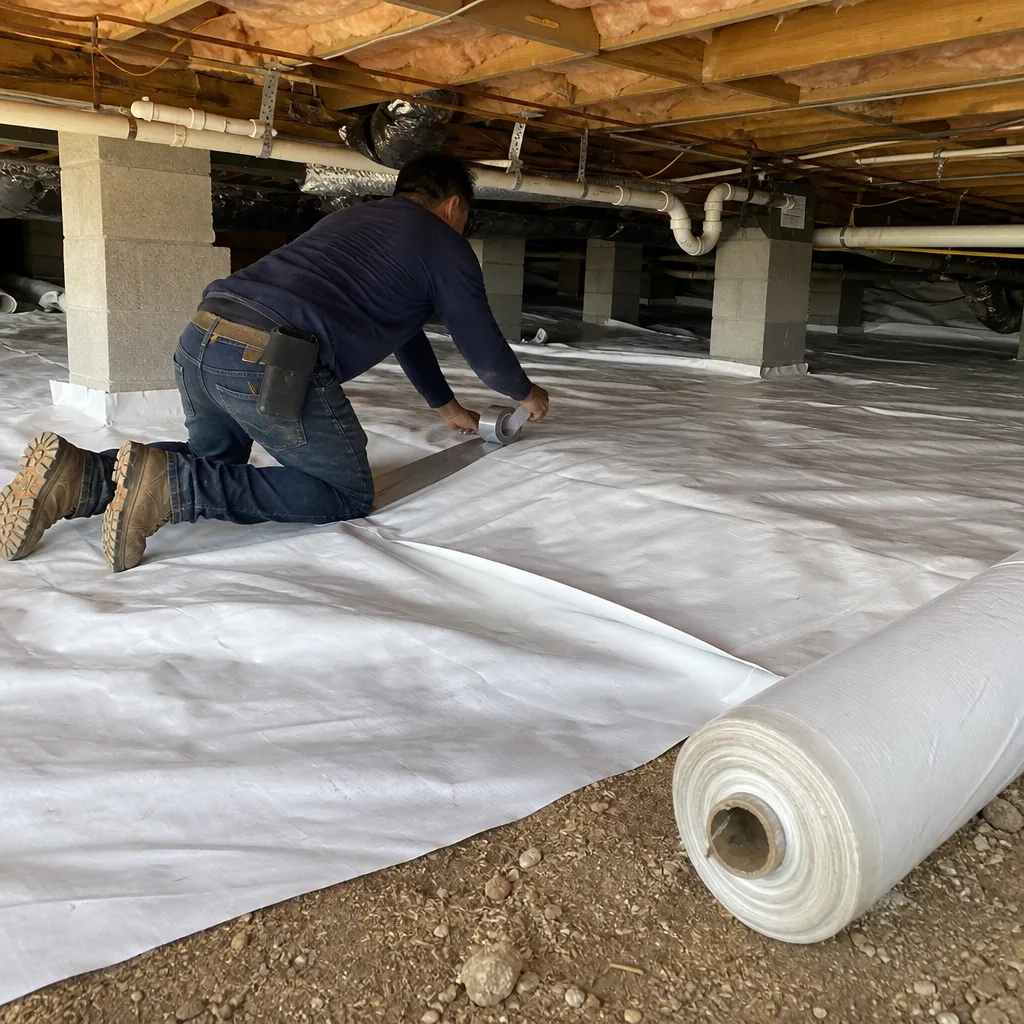
Cedar Park sits in IECC Climate Zone 2, with roughly 2,800 cooling degree days and 1,400 heating degree days annually. The implications for insulation strategy are specific and often misunderstood:
Summer dominates. Attic temperatures in unconditioned spaces reach 130-150°F from June through September. Radiant heat transfer through the roof deck is as significant as conductive loss through the ceiling. A contractor who only addresses R-value without considering radiant barrier installation in Cedar Park is solving half the problem. In neighborhoods like Twin Creeks and Walsh Ranch, where roof pitches are steep and attic volumes large, radiant barrier can reduce ceiling heat flux by 20-30%.
Humidity management is year-round. Cedar Park’s average outdoor dew point exceeds 65°F for five months. Any air leakage from the interior carries moisture into the attic cavity. When that moist air hits a cold surface - ductwork, nail points, or the roof deck on winter mornings - condensation forms. Air sealing is moisture control. Insulation without sealing traps wet air against drywall.
Local code baseline: The 2021 IECC, adopted by Cedar Park with local amendments, requires R-38 in ceilings for new construction and major renovations. Existing homes are not required to upgrade, but the code provides the performance target a competent contractor should reference. A bid that proposes R-19 for an attic floor in Cedar Park is below modern standard, regardless of what the home originally had.
Wind-driven rain and ridge vents: Cedar Park’s position on the edge of the Hill Country exposes homes to stronger sustained winds than central Austin. Ridge vents must be properly baffled to prevent wind-driven rain intrusion. We’ve found water-stained insulation in attics near Cypress Creek and Vista Ridge where unbaffled ridge vents allowed direct wetting.
What Insulation Projects Cost in Cedar Park
Price transparency is a core Haven Standard value. Here are the ranges we see in the Cedar Park market for typical residential projects, based on 2024-2025 data from our own bids and competitor estimates reviewed during free second opinions; for a deeper dive, see our Insulation Cost Breakdown: The Cedar Park Homeowner’s Reference for 2026:
| Project Type | Typical Range | What Drives Variation |
|---|---|---|
| Attic air sealing only (blower-door verified) | $800 - $1,800 | Attic accessibility, number of penetrations, existing insulation removal required |
| Attic insulation (fiberglass, R-38, including air sealing) | $2,200 - $4,500 | Attic square footage, pitch, duct sealing needs, can light count |
| Attic insulation (cellulose, R-38, including air sealing) | $2,400 - $4,800 | Similar factors; cellulose runs 10-15% higher material cost than fiberglass |
| Spray foam (open-cell, attic roofline, R-38 equivalent) | $4,500 - $8,500 | Attic volume, foam thickness, ventilation strategy change |
| Crawl space encapsulation (including vapor barrier) | $3,500 - $7,000 | Crawl space square footage, height, existing moisture damage, dehumidifier need |
| Insulation removal and replacement | $3,000 - $6,500 | Contamination level (rodent, mold), disposal fees, accessibility |
These are market ranges, not our prices. Every Envelope Insulation Co. project begins with a written price - flat, itemized, no surprises. We also offer a Free Second Opinion on any written estimate: bring us a competing quote and we’ll read it with you, line by line, to identify what’s included and what’s assumed.
Common Mistakes to Avoid
- Hiring based on R-value alone. R-38 with unsealed leaks performs like R-19 with sealed leaks. The air barrier matters more than the insulation rating in Cedar Park’s climate.
- Ignoring the HVAC location. An air handler in a vented attic turns your insulation investment into a partial solution. Address the ductwork or consider bringing the attic into the conditioned envelope.
- Accepting a phone quote. No contractor can assess your envelope without entering the attic and running diagnostics. Phone quotes lowball to get the appointment, then rise on site.
- Skipping the post-job verification. If the contractor won’t retest with a blower door or provide depth verification photos, you have no proof of performance. In Cedar Park’s competitive market, some crews move fast and document little.
- Neglecting ventilation after upgrading insulation. Adding insulation without confirming soffit and ridge vent function can trap moisture and void shingle warranties. We’ve seen this in older Cedar Park neighborhoods where original venting was marginal.
- Choosing the lowest bid without comparing scopes. A $2,200 bid that includes air sealing, verification, and documentation is a different product from a $1,800 bid that blows insulation over unsealed leaks.
When to Call a Professional
Call a contractor when your energy bills spike without rate increases, when rooms have persistent temperature differences of more than 3°F, when you find compressed or water-stained insulation in the attic, or when your home was built before 2010 and has never had envelope testing. Learn to spot problems early with our Insulation Warning Signs: A Cedar Park Homeowner’s Reference Guide. In Cedar Park’s rapid-growth market, many homes built during the 2000s construction boom were insulated to minimum code with minimal air sealing - they are overdue for performance verification.
Topside Attic Insulation Cedar Park offers free estimates in Cedar Park - call (737) 245-6428. Every estimate includes a written scope, flat pricing, and no obligation. If you have a competing quote, bring it for a Free Second Opinion. We’ll read it with you and show you what questions to ask the other contractor.
Frequently Asked Questions
Most attic insulation jobs in Cedar Park run between $2,200 and $4,800 including air sealing, depending on attic size, material type, and existing conditions. Fiberglass typically starts lower; cellulose and spray foam run higher. Call (737) 245-6428 for a written price on your specific home - estimates are free.
Repair is cheaper only when the existing insulation is dry, uncompressed, and uncontaminated. In Cedar Park’s climate, rodent activity and roof leaks often damage insulation in ways that aren’t visible from the attic hatch. A professional inspection with moisture metering and contamination assessment answers this question accurately. Call us for an evaluation - we include a Documented Photo Record so you can see what we found.
Air sealing and minor insulation repairs can often be completed same-day. Full attic insulation replacement or spray foam applications require scheduling and material staging. In Cedar Park, we typically book within 3-5 business days for standard projects, with emergency air-sealing available for active moisture or pest issues. Call (737) 245-6428 to discuss timeline.
A blower-door test is a pressurization reading that shows, in one number, how much air your building envelope is losing. A powerful fan mounts in an exterior door, depressurizes the house to 50 Pascals, and measures airflow in CFM50. You need one before any envelope work to establish baseline performance, and you need one after to prove improvement. Any contractor who skips this is not measuring results.
Ask for the air-sealing line items in the written scope, separately priced from insulation. Look for specific tasks: seal top plates, seal electrical and plumbing penetrations, seal attic access hatch, seal duct chases. Ask for the pre- and post-job blower-door target. If these aren’t in writing, air sealing isn’t in the job.
Insulation-only work does not require a permit in Cedar Park. If your project involves electrical modifications - can light enclosures, new exhaust fans, or wiring changes - an electrical permit through the City of Cedar Park Building Department is required. A competent contractor handles this and provides the permit number before work begins.
The Bottom Line
Hiring an insulation contractor in Cedar Park is not about finding the lowest price for a bag count. It is about contracting for a measurable improvement in your home’s thermal performance. The right contractor answers in ACH50 and CFM50, separates air sealing from insulation in the written scope, verifies depth and tightness before leaving, and delivers documentation that proves the work. The wrong contractor quotes over the phone, bundles everything into “R-38,” and leaves you with a receipt and a hope. Ask the seven questions. Demand the written scope. Verify the numbers. The home you save will be your own.
Written by Wes Okafor, Owner at Topside Attic Insulation Cedar Park, serving Cedar Park since 2016.