

Fast, Reliable Blown-In Insulation Across Georgetown
Blown-in insulation in Georgetown, TX typically runs $1.80-$3.20 per square foot installed, with most complete attic jobs falling between $2,400 and $5,800 depending on cavity depth and whether air sealing is needed first. We’re usually on-site in Georgetown within 24-48 hours of your call, and dispatch routes from our Austin office to keep crews moving efficiently through Williamson County. Whether you’re in Sun City Texas dealing with a vaulted ceiling that’s been running your AC nonstop since June, or you’re in a post-2010 subdivision off University Avenue watching your summer electric bill climb past $400, we measure before we blow and seal before we insulate. Call (737) 245-6428 for a written price before any work starts.
Why Topside Attic Insulation Cedar Park Is Georgetown’s Preferred Blown-In Insulation Company
We’ve sealed and insulated over 9,000 homes since 2016, and a significant share of those have been in Georgetown’s two dominant housing eras: the aging Sun City Texas developments and the newer master-planned communities that exploded after 2010. Our crews know the difference between a late-1990s Del Webb slab home on Sun City Boulevard and a 2018 build off Shell Road, and we adjust our approach accordingly.
Georgetown homeowners leave reviews that mention the same things repeatedly: the blower-door numbers we publish, the photo record they receive, and the fact that we answered the phone at 8 PM on a Sunday. Our 365-Day Done Right Promise applies to every job in Georgetown, backed by a written scope and warranty delivered before anyone lifts a tool.
Response time to Georgetown averages same-day or next-day scheduling, with crews carrying Johns Manville and Knauf materials stocked for common cavity depths found in local homes. We don’t route through Dallas or Houston; our Austin office dispatches directly to Georgetown addresses.
Our Blown-In Insulation Services in Georgetown
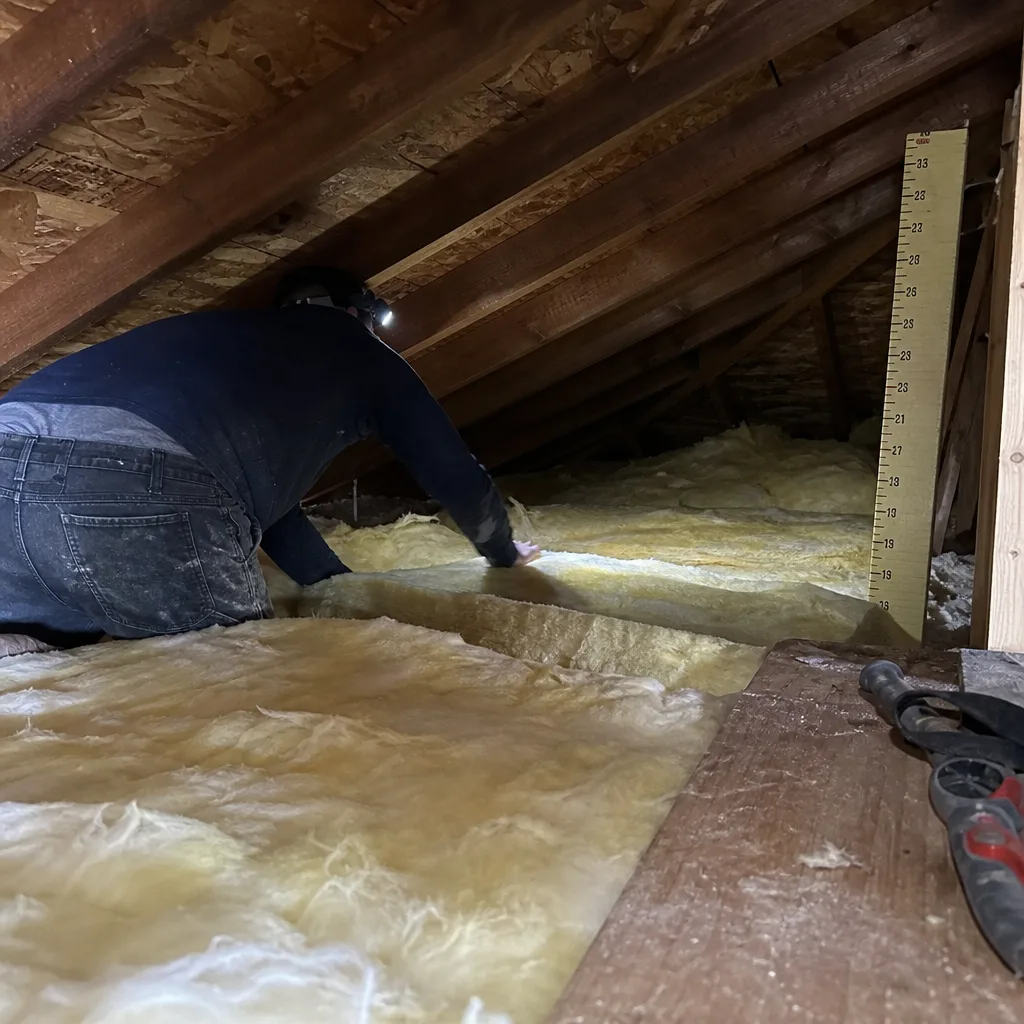
Blown-In Fiberglass
We blow Owens Corning and Knauf fiberglass in Georgetown attics where the existing insulation has degraded but the cavity remains accessible. Fiberglass doesn’t absorb moisture the way cellulose can, which matters in Georgetown’s warm-humid Climate Zone 3A where attic humidity spikes during spring storms. In Sun City homes with 25-year-old original R-30 that’s settled to R-11 or below, we often remove the compacted layer and blow fresh fiberglass to R-49 or R-60, depending on truss height. Our Blown-In Insulation team documents the before-and-after depth with photos you receive at job completion.
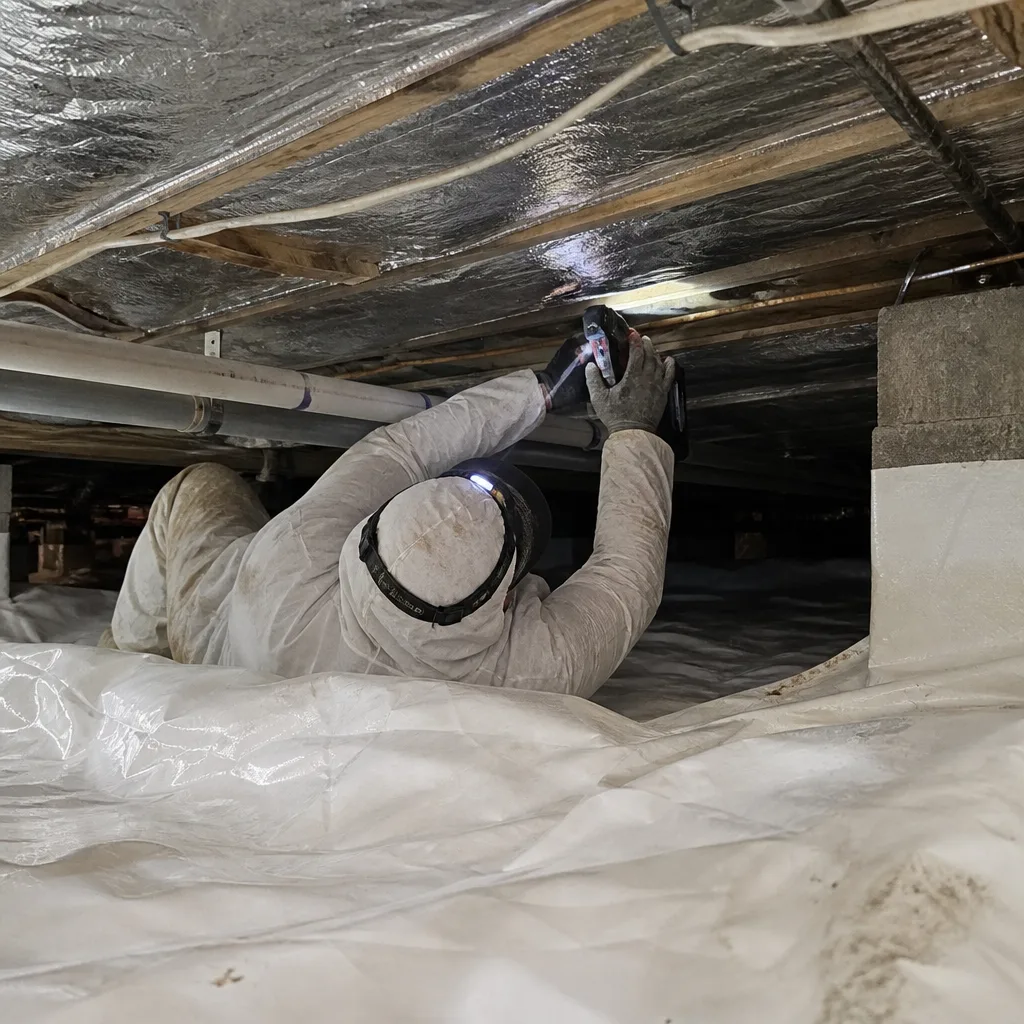
Blown-In Cellulose
Cellulose works well in Georgetown’s flat attics where dense packing is possible and fire-retardant treatment is specified. We source from GreenFiber and treat the material with borate for pest resistance, which matters in areas near the San Gabriel River where roof rats and squirrels are active. Cellulose settles less than older formulations, but we still account for 10-15% loss over the first two years when calculating initial depth. We don’t blow cellulose over unsealed top plates or can lights; that’s Haven Standard Clause 1, and it’s non-negotiable.
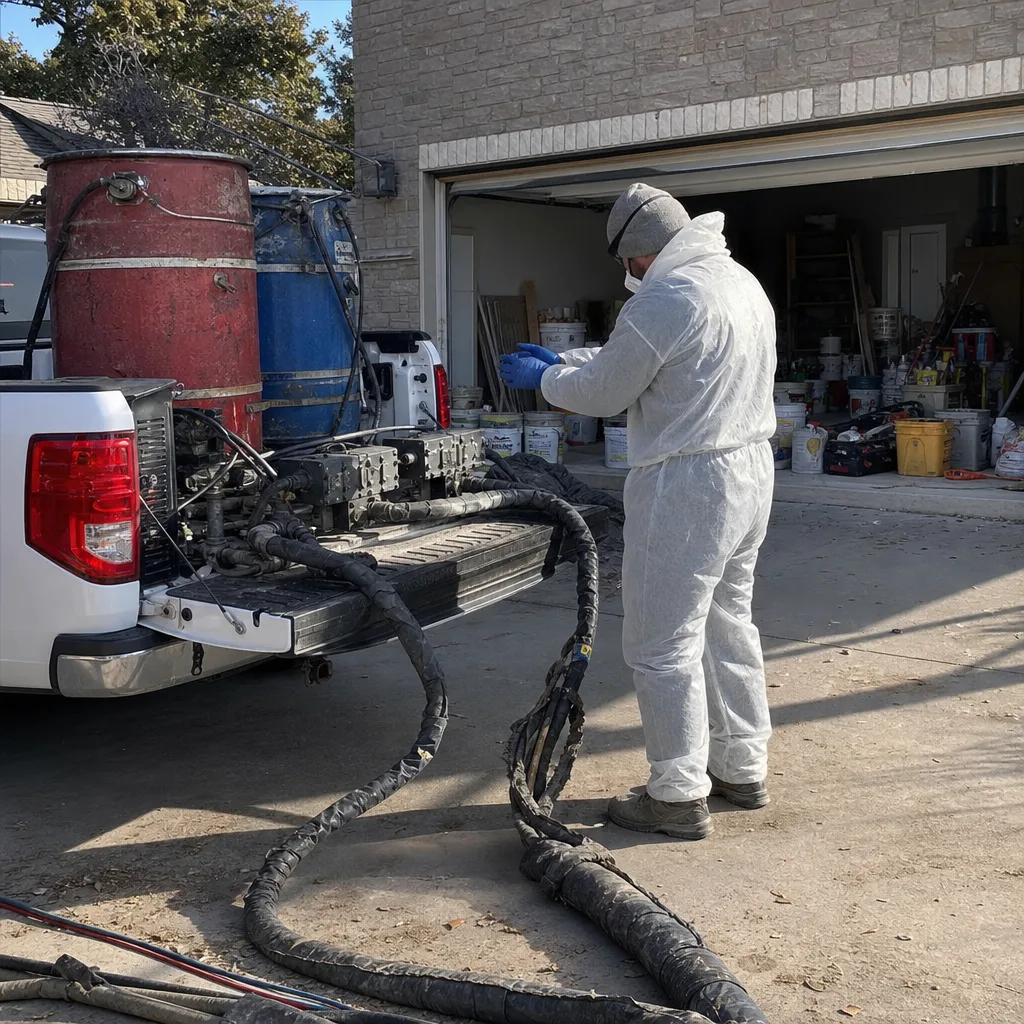
Dense-Pack Wall Insulation
The historic wood-frame homes near Georgetown’s downtown square, built from the 1880s through the 1920s, typically have no wall insulation at all. Dense-packing cellulose or fiberglass into closed cavities from the exterior requires drilling access holes, blowing to 3.5-4.0 pounds per cubic foot, and patching with matching siding. We’ve done this on homes along Main Street and in the Olive Street historic district. For Sun City’s slab-on-grade brick veneers, dense-pack isn’t typically needed in walls, but vaulted cathedral ceilings are a different story.
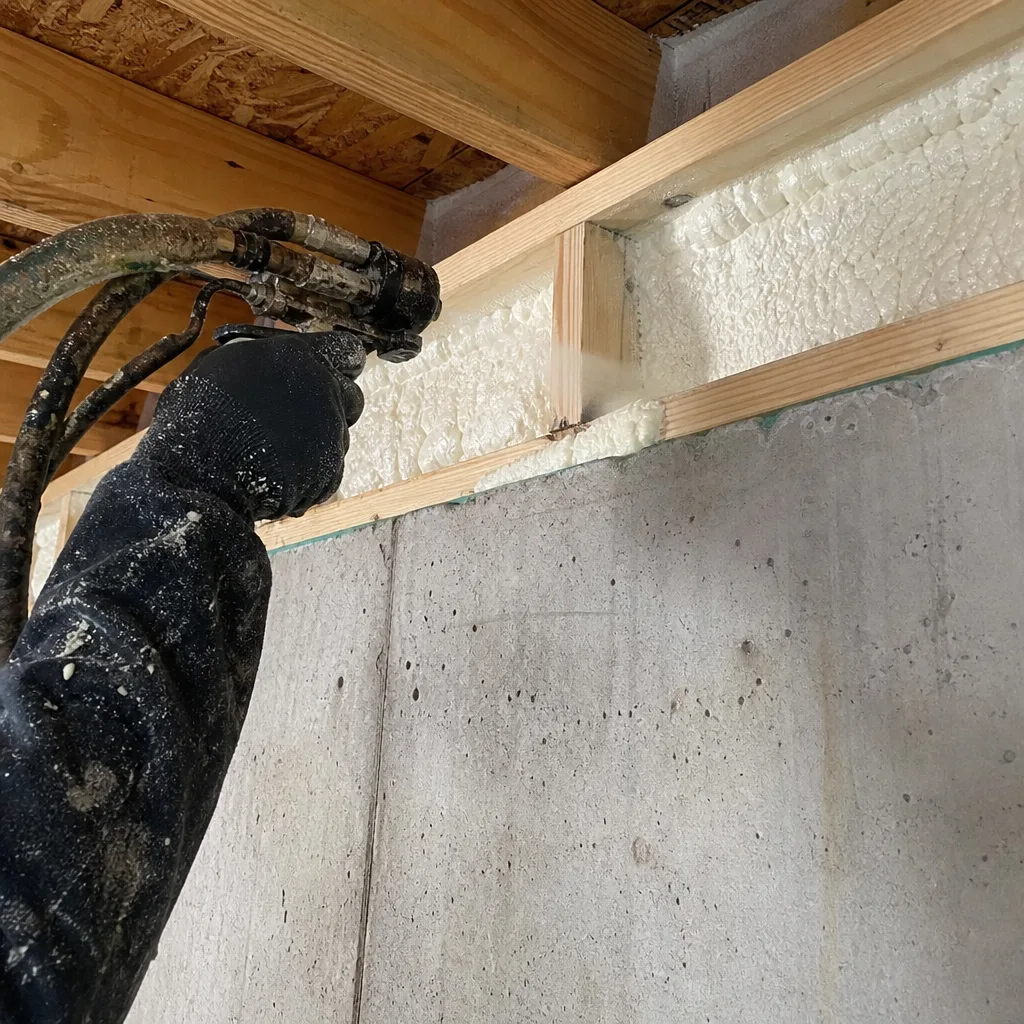
Blown-In Top-Up
This is our most common service call in Georgetown. Original blown-in insulation in Sun City Texas homes from the late 1990s through the 2010s has settled after 25-plus years of 140°F+ thermal cycling. We find R-11 where R-30 was originally installed. A top-up blows additional material over the existing layer after air sealing is complete, bringing the assembly to current IECC code for Zone 3A. We measure existing depth with a ruled probe, photograph every bay, and give you the numbers before we start. Top-ups in Georgetown typically run $1,800-$3,400 for homes under 2,500 square feet.
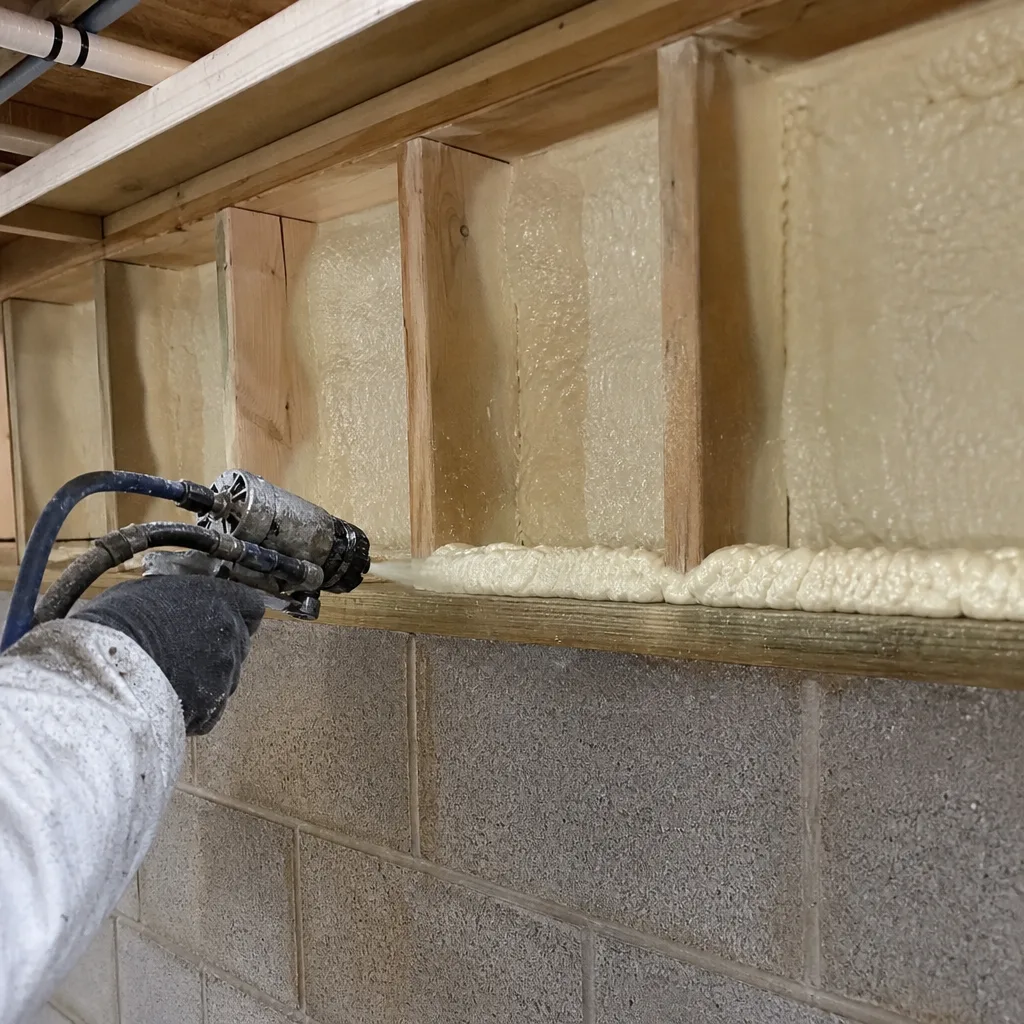
What happens when you call
- 1
A real person answersNo phone trees - you reach a local pro.
- 2
You get an upfront price rangeHonest numbers before anyone is dispatched.
- 3
A background-checked tech heads outLicensed & insured, dispatched right away.
- 4
You approve before work beginsNothing starts until you say go.
Trusted Brands We Service in Georgetown
We stock Knauf, Rockwool, and CertainTeed insulation products for Georgetown jobs, with no proprietary lock-in that limits your options. Knauf’s EcoSeal system pairs well with their blown fiberglass for homeowners who want a single-manufacturer envelope solution. Rockwool’s stone wool handles the 150°F Georgetown attic peaks without degradation. CertainTeed’s Optima is our go-to for dense-pack wall work in historic homes near the square. Because we maintain local inventory routed through our Austin warehouse, turnaround on standard jobs doesn’t depend on freight schedules from out of state.
Common Blown-In Insulation Problems We See in Georgetown Homes
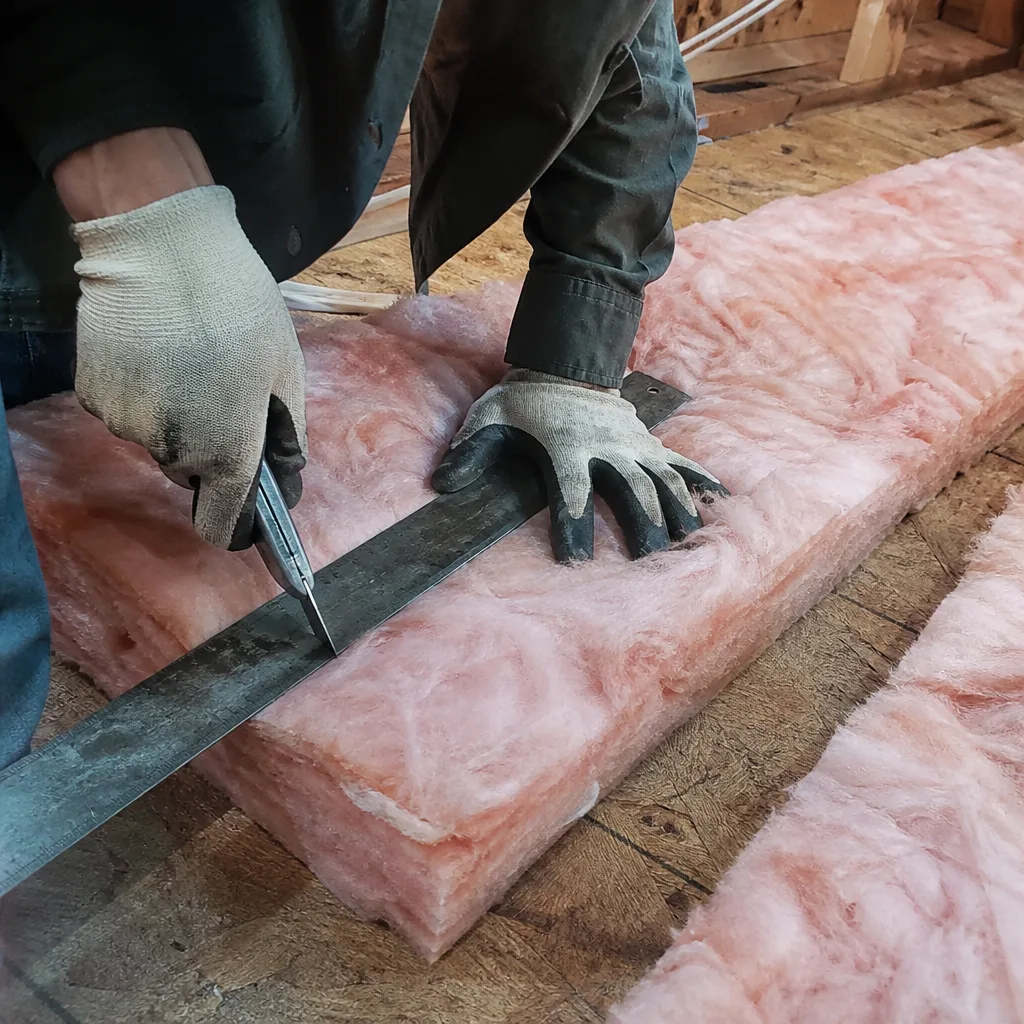
- Settled R-30 in Sun City’s aging slab homes. Original blown-in fiberglass or cellulose installed from the late 1990s through the 2010s has compacted to R-11-R-15 after decades of thermal cycling. The attic looks full until you probe it; then you find 4-6 inches where 12 inches once sat.
- Vaulted cathedral ceilings at R-8 or less. In Sun City Texas, the living room ceilings that soar to the roofline were often insulated with faced batts that have sagged away from the deck, or with minimal blown-in that never filled the cavity. The HVAC runs continuously because the roof deck radiates 140°F heat directly into the room below.
- Post-2010 builder-minimum over unsealed leaks. Master-planned subdivisions off Shell Road, University Avenue, and FM 1460 received code-minimum blown-in installed over top plates, recessed can lights, and plumbing penetrations that were never sealed. The insulation is present but bypassed; conditioned air leaks into the attic all summer.
- February 2021 storm damage to HVAC and pipes. Winter Storm Uri exposed how poorly insulated Georgetown attics protect equipment when temperatures drop to single digits. We’ve replaced insulation in dozens of attics where frozen condensate lines or cracked air handlers traced directly to inadequate R-value and missing air sealing.
Pricing for Blown-In Insulation in Georgetown, TX
Most blown-in insulation jobs in Georgetown fall within these ranges:
| Service | Typical Range |
|---|---|
| Blown-In Top-Up (flat attic, under 2,500 sq ft) | $1,800 - $3,400 |
| Complete Blown-In Fiberglass (flat attic, R-49) | $2,800 - $5,200 |
| Dense-Pack Wall Insulation (historic home) | $3,500 - $6,800 |
| Vaulted Cathedral Ceiling (dense-pack to R-38) | $2,200 - $4,600 |
| Air Sealing + Blown-In (complete package) | $3,200 - $6,500 |
What moves the number: cavity depth and accessibility, whether existing insulation must be removed first, the extent of air sealing required, and whether we’re dealing with a standard flat attic or a complex vaulted section. Sun City homes with multiple cathedral ceilings and settled original insulation typically land in the upper half of these ranges. We provide a written price before any work starts, always, and offer a Free Second Opinion on any competing written estimate. Every job includes a Documented Photo Record and, on applicable work, before-and-after blower-door readings.
Call (737) 245-6428 for your exact number. Estimates are free.
We Also Serve Cities Near Georgetown
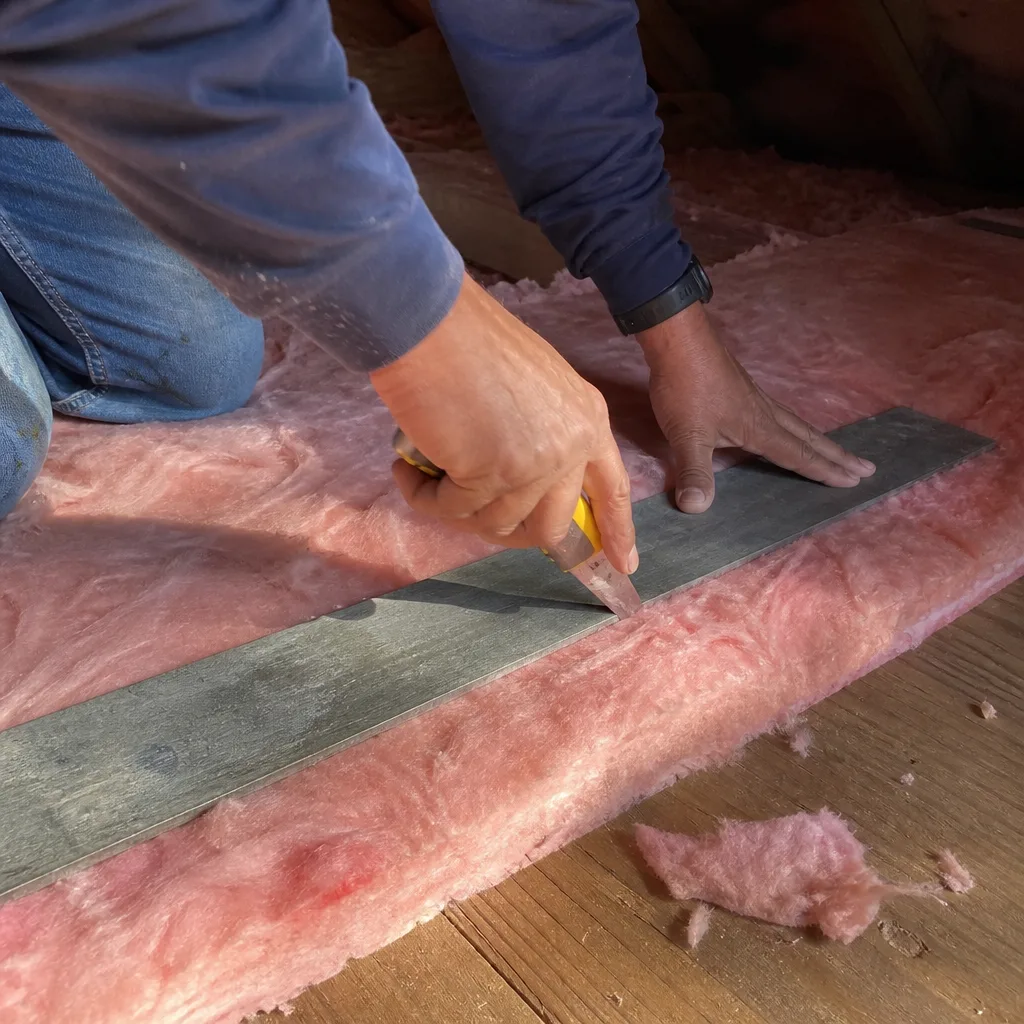
Our crews work throughout Williamson and northern Travis counties, including Blown-In Insulation in Georgetown plus Round Rock, Hutto, Leander, and Cedar Park. Dispatch from our Austin office keeps response times tight across the metro.
Serving Georgetown, TX - Our Local Coverage Area
We’re based in the Georgetown area and know this community well. Use the map below to see our service coverage - if you’re nearby, we can almost certainly help.
FAQs - Blown-In Insulation in Georgetown
Your vaulted cathedral ceiling was likely insulated to R-8 or less by the original builder, or the faced batts have sagged away from the roof deck after 20-plus years of heat cycling. We dense-pack these cavities with blown-in fiberglass to R-38, which creates a continuous thermal barrier between your living space and the 140-150°F roof deck. Call (737) 245-6428 and we’ll probe the cavity depth and give you a written price.
We consistently find R-11 to R-15 where R-30 was originally installed, a 50-60% loss in thermal performance after 25 years of thermal cycling. The material hasn’t disappeared; it has compacted and degraded, leaving your attic far below IECC Zone 3A’s R-38 minimum. A blown-in top-up after air sealing restores performance without full removal. We measure with a ruled probe and show you the photos.
Uri exposed that most pre-2015 Georgetown attics couldn’t protect pipes or HVAC equipment during extended single-digit temperatures. The event drove local code enforcement toward stricter air-sealing requirements and higher R-values for replacement work. We now see more homeowners opting for R-49 to R-60 and comprehensive top-plate sealing, not just for summer cooling loads but for winter resilience. Your blower-door test quantifies the improvement.
Flat attics get loose-fill fiberglass to R-49 or R-60; vaulted cathedral sections get dense-pack fiberglass to R-38, which requires higher density to prevent settling in the sloped cavity. We don’t use the same material or technique for both. The flat attic is vented and accessible; the vaulted section is a sealed assembly that demands different handling. Our crew specifies the approach in your written scope before work begins.
Yes, particularly if the home received builder-minimum blown-in over unsealed top plates and can lights. The insulation is present but thermally bypassed; conditioned air leaks into the attic through gaps the blower-door test will reveal. We’ve worked in subdivisions off Shell Road and FM 1460 where post-2010 homes tested at 3,500+ CFM50 before sealing and dropped below 2,000 after. The insulation was code-compliant on paper; the air leakage wasn’t. Call (737) 245-6428 for a Free Second Opinion on your home’s current performance.
Ready to see what your attic actually measures? Call (737) 245-6428 for a free estimate with written pricing before any work starts. Our live answering team is available 24/7, and we typically schedule Georgetown appointments within 24-48 hours.
Written by Wes Okafor, Owner at Topside Attic Insulation Cedar Park, serving Georgetown since 2016 under The Haven Standard.