
Insulation in Austin, TX
Crawl space encapsulation and vapor barrier installation in Austin typically runs $3,500-$8,500 for most homes, with pier-and-beam properties in older neighborhoods like Hyde Park and Travis Heights representing a large share of local demand. Austin’s hot-humid climate and clay soils create year-round ground moisture that migrates upward through vented crawl spaces, driving humidity into floor systems and degrading indoor air quality. We’re Envelope Insulation Co., and our Austin office dispatches crews across the metro to seal building envelopes the right way: air sealing first, then insulation, with a written price before any work starts. Call us at (737) 245-6428 for a free estimate.
Why Austin Homes Are Different
Austin sits in ASHRAE Climate Zone 2A, which means 90-plus days above 90°F and humidity that never really quits. The housing stock splits sharply: central-city pier-and-beam bungalows from the 1940s-1960s in Hyde Park, Travis Heights, and Bouldin Creek need under-floor and wall-cavity work, while the vast belt of 1970s-2000s slab-on-grade ranch homes across North and South Austin was built to minimal energy codes before Austin adopted stricter Austin Energy Green Building standards. That leaves a massive retrofit backlog.
The 2021 Winter Storm Uri exposed how catastrophically under-insulated most Texas homes are on the heating side, shifting demand toward higher R-values and comprehensive air sealing. In Crestview and North Loop, crews still find original 1970s blown-in rockwool compacted to near-zero effective R-value, sometimes laced with vermiculite that requires hazmat assessment before any attic work proceeds. Austin Energy’s municipally funded rebate program also creates incentives no neighboring private-utility city can match, particularly for conditioned-attic spray foam retrofits.
Our Main Austin Services
Most Austin homeowners who call us start with attic work or spray foam, but we also handle a full envelope line. Here are the three services with dedicated Austin pages:
Attic Insulation in Austin
Attic temperatures in Austin routinely hit 150-160°F in summer, and with HVAC air handlers and ductwork commonly placed in unconditioned attics across the 1980s-2000s housing stock, the attic is often the single biggest driver of cooling costs. We assess existing depth, check for air leaks at top plates and penetrations, and specify the right material for the assembly. Every attic job begins with a written price and closes with a Documented Photo Record. Attic Insulation in Austin
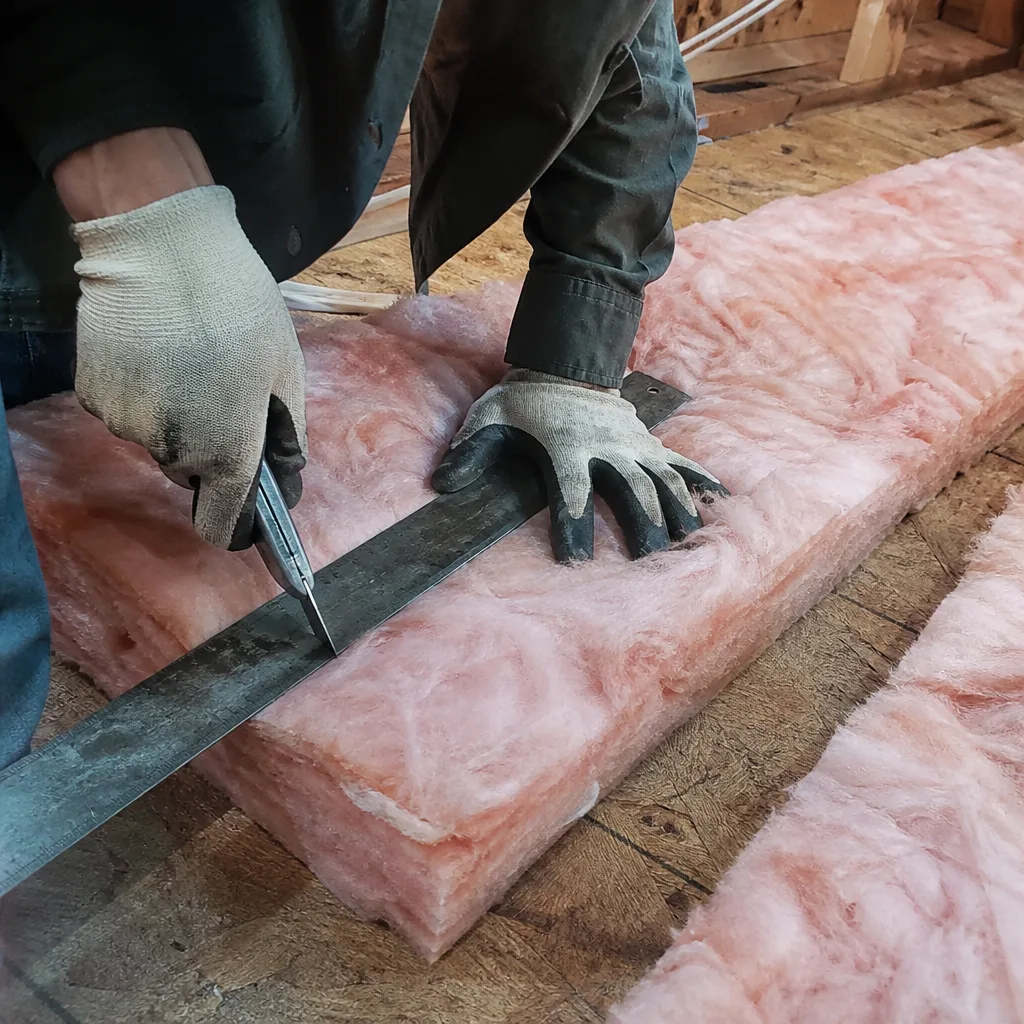
Spray Foam Insulation in Austin
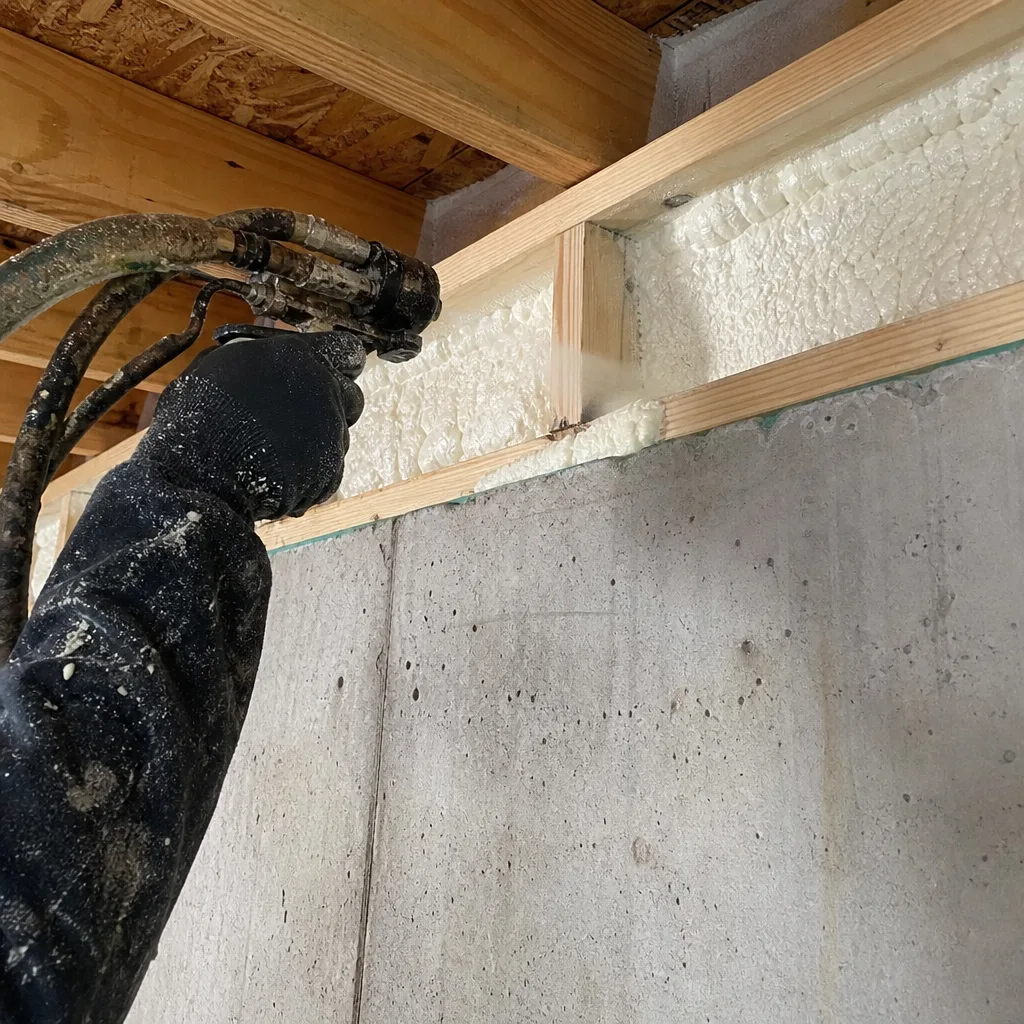
Closed-cell spray foam applied directly to the roof deck has become a dominant retrofit strategy in Austin because it converts vented attics into conditioned space, protecting ductwork from extreme heat. Austin Energy’s rebate program specifically rewards this upgrade. We source foam from Icynene and Demilec, publish before-and-after blower-door numbers on every job, and never start without a written scope and price. Spray Foam Insulation in Austin
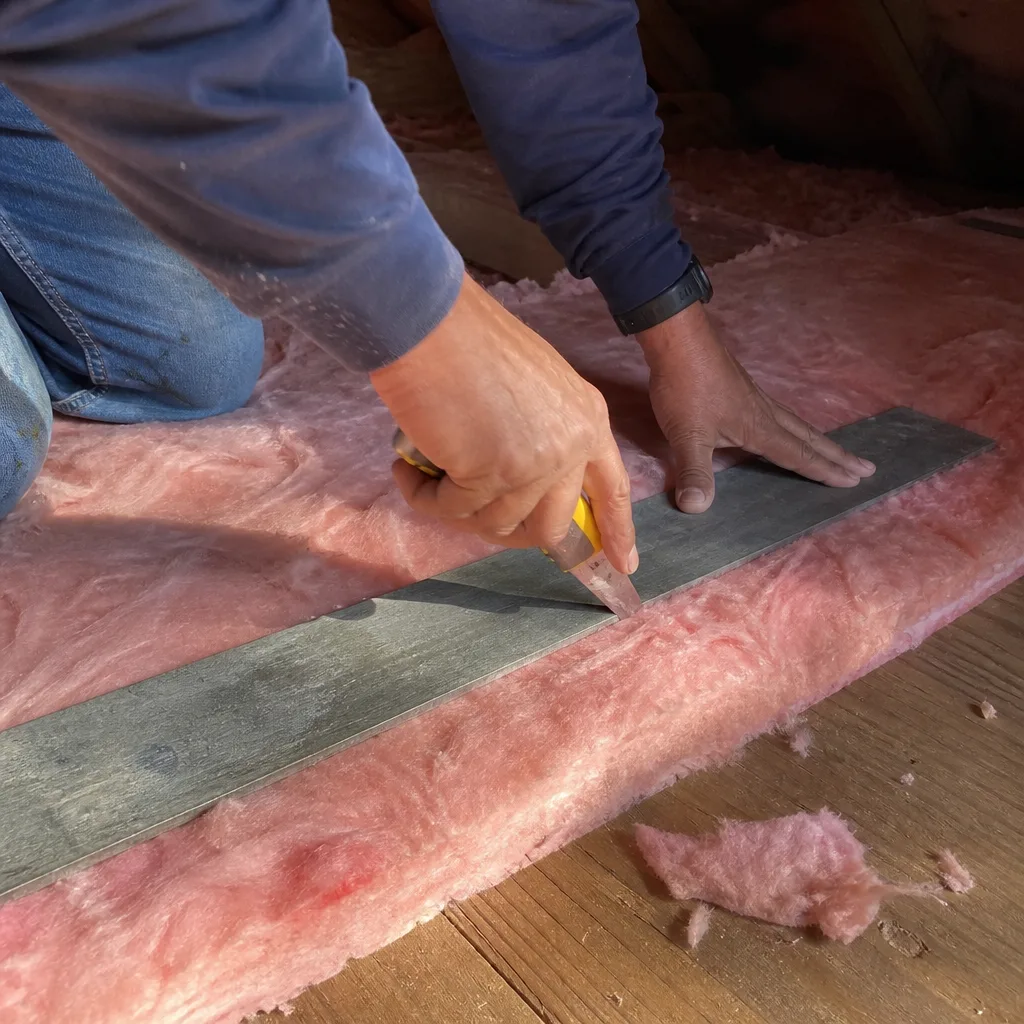
Blown-In Insulation in Austin
Blown-in cellulose or fiberglass remains the most cost-effective way to bring under-insulated attics up to modern R-value in Austin’s retrofit market. We see a lot of homes with original insulation settled well below current code minimums. Our crews air seal first - top plates, can lights, penetrations - then blow to uniform depth, with a written price locked in before any material moves. Blown-In Insulation in Austin
What happens when you call
- 1
A real person answersNo phone trees - you reach a local pro.
- 2
You get an upfront price rangeHonest numbers before anyone is dispatched.
- 3
A background-checked tech heads outLicensed & insured, dispatched right away.
- 4
You approve before work beginsNothing starts until you say go.
Crawl Space Encapsulation & Vapor Barrier in Austin
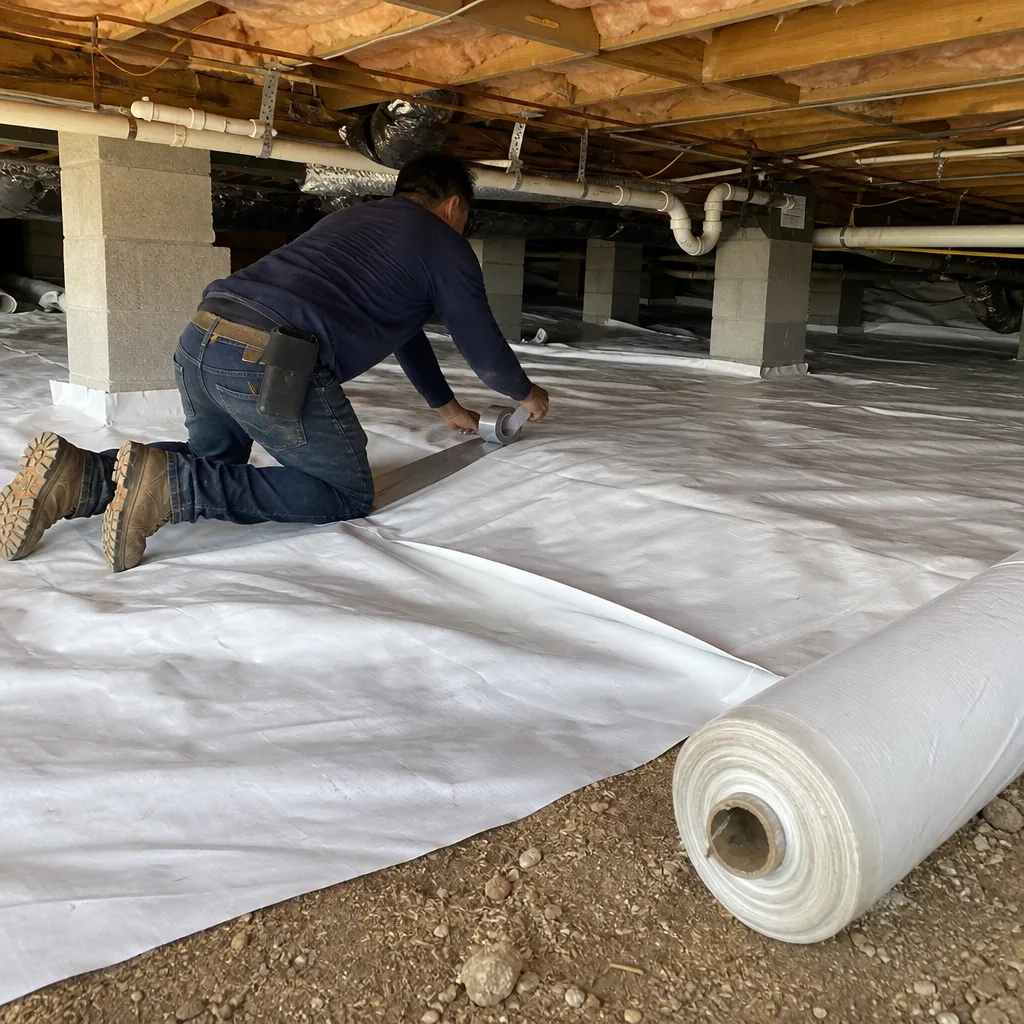
Austin’s clay soils hold moisture year-round, and the city’s older pier-and-beam stock in neighborhoods like Hyde Park and Travis Heights was built with vented crawl spaces that invite that moisture straight into floor joists and subflooring. The hot-humid climate means vapor drive is constant, not seasonal, and unencapsulated crawl spaces here routinely show wood moisture content above 20 percent - the threshold for fungal growth. Crawl Space Encapsulation & Vapor Barrier is how we stop that migration and protect the structure.
Crawl Space Vapor Barrier
Signs you need it
Musty odors rising from floor registers, soft or cupping hardwood floors, or visible condensation on joists in summer indicate ground moisture is evaporating into the crawl space unchecked.
What it costs in Austin
Most vapor barrier installations in Austin run $1,200-$3,500 depending on crawl space square footage and whether existing debris requires removal first.
How we do it
We clear the ground plane, lay 6-mil or thicker polyethylene sheeting with sealed seams and perimeter attachment, then verify with moisture meter readings before and after.
Crawl Space Encapsulation
Signs you need it
Recurring mold on joists, insulation falling from floor bays due to moisture weight, or pest activity concentrated in the crawl space suggest the entire space needs sealing, not just ground coverage.
What it costs in Austin
Full encapsulation in Austin typically ranges $3,500-$8,500, with perimeter wall sealing, conditioned dehumidification, and sealed vents pushing toward the upper end.
How we do it
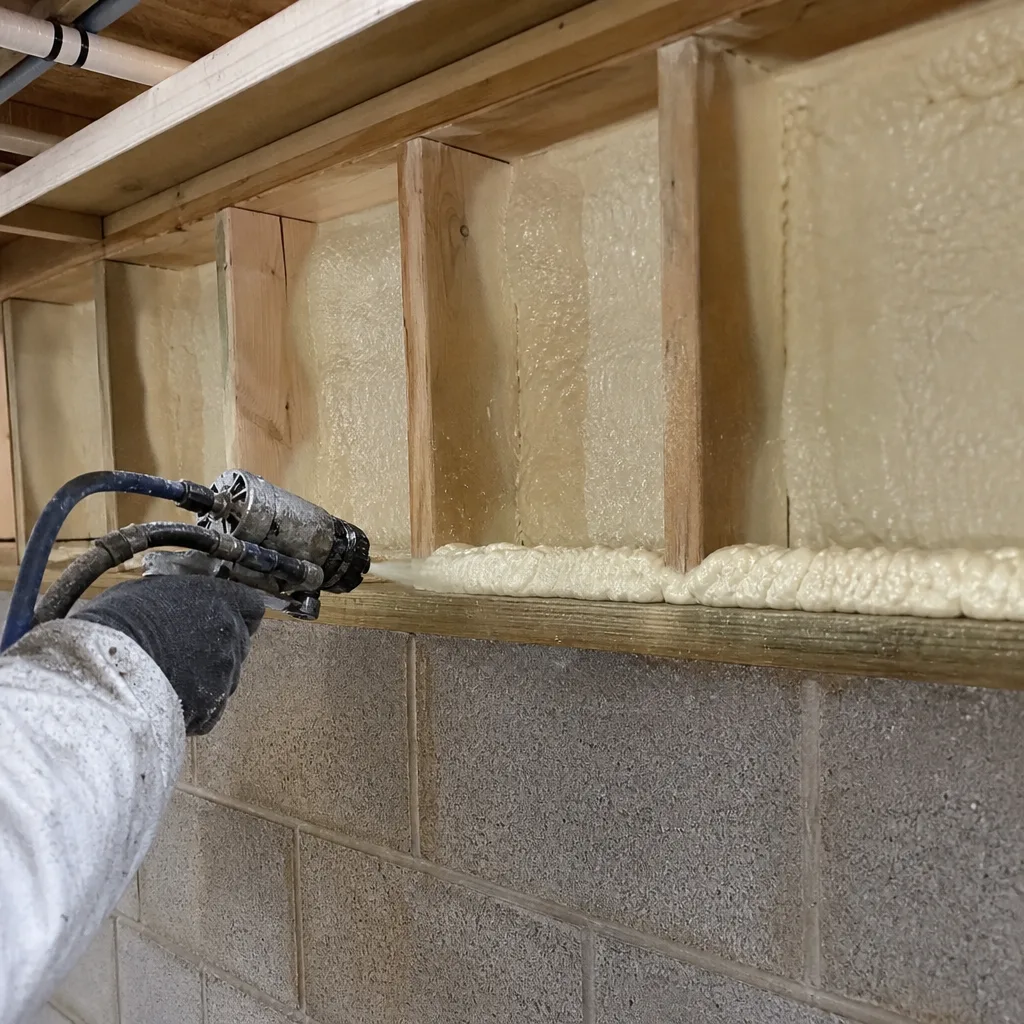
We seal all vents, install rigid foam or closed-cell spray foam on perimeter walls, apply vapor barrier across the ground, and add a dehumidifier sized to the volume with a condensate pump to daylight.
What Crawl Space Encapsulation & Vapor Barrier Costs in Austin
| Item | Typical range in Austin |
|---|---|
| Vapor barrier (ground only) | $1,200 - $3,500 |
| Full encapsulation with dehumidifier | $3,500 - $8,500 |
| Crawl space insulation (floor or perimeter) | $2,000 - $5,000 |
How long does crawl space encapsulation take in Austin?
Most encapsulations finish in two to three days; vapor barrier-only jobs often complete in one. We provide a written schedule with the price, and the crew documents each phase with photos.
Will encapsulation help with Austin’s humidity?
Yes - sealing the crawl space and adding dehumidification typically drops relative humidity below 60 percent, the threshold where mold growth stalls. We verify with hygrometer readings in your final documentation.
Radiant Barrier Installation in Austin
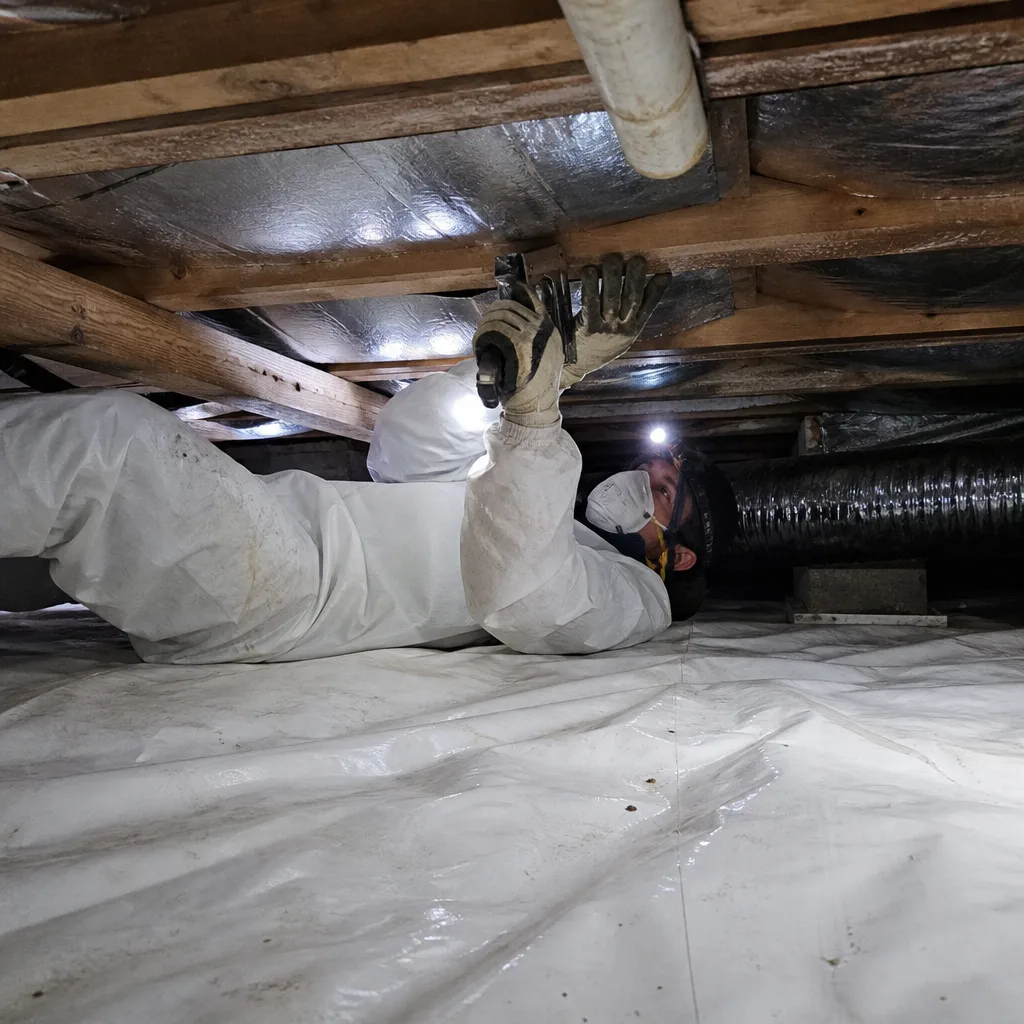
Austin’s attic temperatures - 150-160°F through July and August - make radiant heat transfer from roof deck to ductwork and ceiling drywall one of the largest uncontrolled cooling loads in Texas homes. The 1970s-2000s ranch and tract homes across North and South Austin were built with little or no radiant protection, and their dark shingle roofs absorb solar energy that reradiates downward for hours after sunset. Radiant barrier installation blocks that infrared transfer and can reduce attic air temperature by 20-30°F, measurably lowering the load on HVAC systems in unconditioned attics.
Attic Radiant Barrier
Signs you need it
AC runs continuously after 4 p.m., ceiling surfaces feel warm to the touch, or cooling bills spike in July and August despite unchanged thermostat settings.
What it costs in Austin
Attic radiant barrier installation in Austin typically runs $1,500-$3,500 for a standard ranch home, depending on attic complexity and whether existing insulation must be temporarily moved.
How we do it
We drape perforated foil across rafter bays or staple to roof deck undersides, maintaining ventilation channels, then restore insulation to proper depth with air sealing completed first.
Radiant Barrier Roof Deck
Signs you need it
New roof installation planned, or existing radiant barrier foil has torn, oxidized, or detached from fasteners, leaving bare deck exposed.
What it costs in Austin
Roof-deck radiant barrier applied during reroofing or retrofit runs $2,000-$4,500 in Austin, with spray-applied radiant coatings at the lower end and foil-backed sheathing at the upper.
How we do it
We apply foil-faced sheathing or liquid radiant coating directly to the roof deck underside, ensuring full coverage at valleys and penetrations, then document with thermal imaging.
What Radiant Barrier Installation Costs in Austin
| Item | Typical range in Austin |
|---|---|
| Attic radiant barrier (foil draped/stapled) | $1,500 - $3,500 |
| Radiant barrier roof deck application | $2,000 - $4,500 |
| Radiant barrier with attic air sealing | $2,500 - $5,500 |
Does radiant barrier work with spray foam attics?
No - conditioned attics with spray foam on the roof deck don’t need radiant barrier because the roof deck itself is inside the thermal envelope. We assess your assembly type before recommending anything.
How much can radiant barrier lower my Austin cooling bill?
Most Austin homeowners see 5-10 percent cooling reduction in homes with unconditioned attics and ducts in the attic; the savings are smaller if ducts are already in conditioned space. We model expected return with your written price.
Insulation Removal & Replacement in Austin
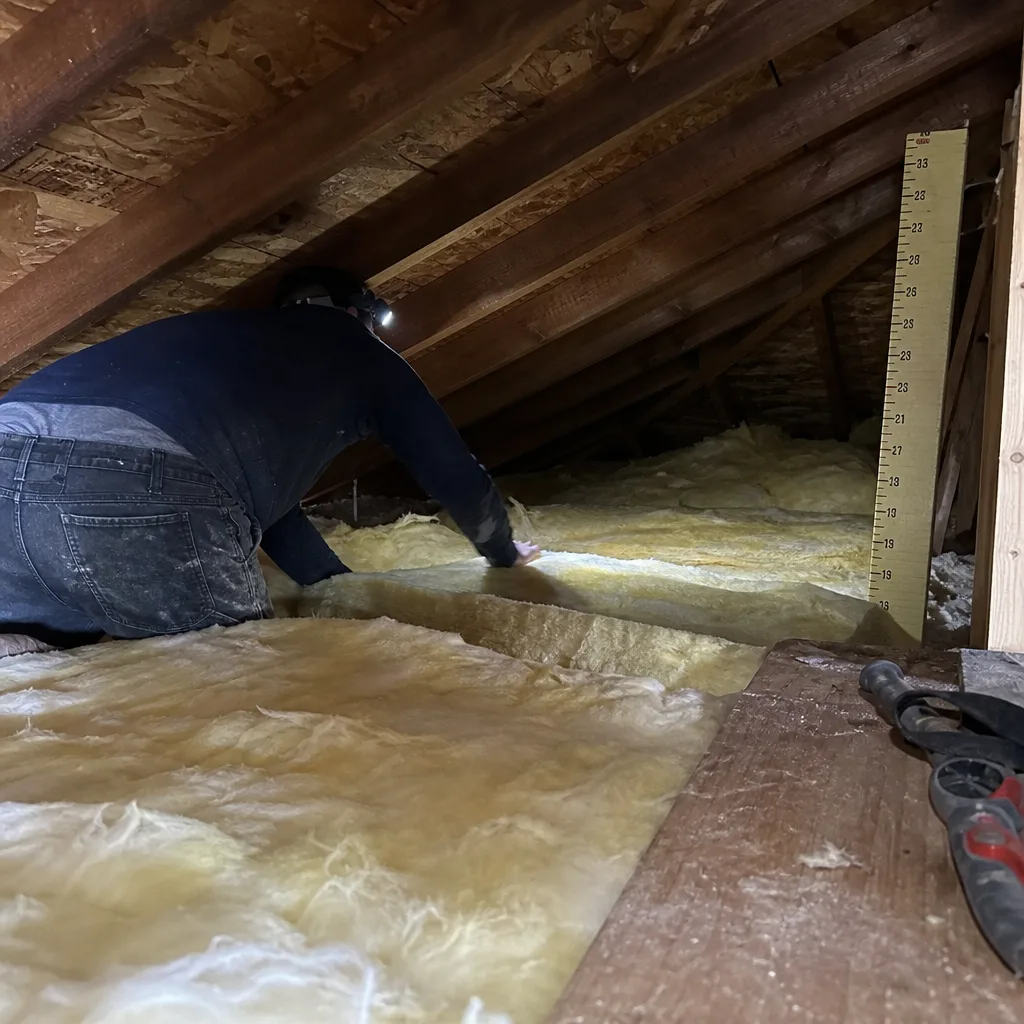
Austin’s retrofit market includes thousands of homes with insulation that has degraded past functional performance - settled, contaminated, or installed to standards abandoned decades ago. In Crestview and North Loop, we regularly find 1970s rockwool compacted to near-zero R-value, sometimes intermixed with vermiculite that requires hazmat protocol before disturbance. The February 2021 freeze also pushed homeowners to recognize that thin, degraded insulation offers almost no heating-side protection when temperatures drop to Uri-level extremes.
Contaminated Insulation Removal
Signs you need it
Visible rodent droppings, urine staining, or fungal growth on insulation surfaces; musty odors that persist after HVAC filter changes; or recent pest activity in the attic.
What it costs in Austin
Contaminated insulation removal in Austin runs $2,500-$5,500 depending on square footage, contamination type, and whether HEPA containment is required for hazardous material.
How we do it
We establish negative air pressure with HEPA filtration, remove bagged material to proper disposal, apply antimicrobial treatment to exposed surfaces, and document with before-and-after photos.
Vermiculite & Old Insulation Removal
Signs you need it
Gray-brown granular material with a pebbled texture visible in attic floor, particularly in homes built 1940s-1970s in central Austin neighborhoods.
What it costs in Austin
Vermiculite assessment and removal in Austin typically ranges $4,000-$9,500, with asbestos testing, abatement protocol, and third-party clearance sampling included in the upper range.
How we do it
We collect samples for lab analysis, proceed under abatement protocol if positive, use HEPA-contained removal and disposal, and provide clearance documentation before any new insulation is installed.
What Insulation Removal & Replacement Costs in Austin
| Item | Typical range in Austin |
|---|---|
| Standard insulation removal (non-hazardous) | $1,500 - $3,500 |
| Contaminated insulation removal | $2,500 - $5,500 |
| Vermiculite removal with abatement protocol | $4,000 - $9,500 |
Can you remove insulation with asbestos?
We do not disturb vermiculite or suspect asbestos-containing material without lab-confirmed negative results or licensed abatement protocol. We collect samples, wait for results, and build the removal scope from there - always in writing.
How long does insulation removal take?
Standard removal finishes in one day; contaminated or vermiculite jobs span two to four days with containment and clearance sampling. We provide the schedule with your written price, no surprises.
Attic Air Sealing in Austin
Austin’s extreme attic temperatures amplify every air leak: when the attic hits 160°F, a 200-CFM50 leak at a top plate or can light doesn’t just waste conditioned air, it actively pulls superheated attic air into the living space whenever the HVAC cycles off. The 1980s-2000s housing stock across North and South Austin was built with minimal attention to the attic floor as an air barrier, and many homes have hundreds of linear feet of unsealed top plates, dozens of unsealed can light penetrations, and duct boots pulling from the attic instead of delivering to rooms. Attic Air Sealing is the prerequisite we never skip.
Top Plate & Penetration Sealing
Signs you need it
Dust streaks around ceiling drywall edges, cobwebs concentrated at wall-ceiling junctions, or rooms that stay hot despite adequate insulation depth suggest pressurized attic air is migrating through framing gaps.
What it costs in Austin
Top plate and penetration sealing in Austin typically runs $1,200-$3,000 for a standard home, with complexity increasing in multi-story or vaulted-ceiling assemblies.
How we do it
We remove existing insulation to expose framing, apply fire-rated caulk or foam to all top plate gaps, seal wire and pipe penetrations, then replace insulation to proper depth with verified uniform coverage.
Can Light & Duct Boot Sealing
Signs you need it
Can lights that flicker or fail prematurely, rooms with weak airflow despite open dampers, or visible gaps around duct boots where they penetrate ceiling drywall.
What it costs in Austin
Can light and duct boot sealing in Austin ranges $800-$2,500, with IC-rated can light covers and mastic-sealed duct connections at the upper end of that range.
How we do it
We install pre-formed covers over non-IC can lights, seal with fire-rated foam, apply mastic and fiberglass mesh to all duct boot connections, and pressure-test the duct system where accessible.
What Attic Air Sealing Costs in Austin
| Item | Typical range in Austin |
|---|---|
| Top plate and penetration sealing | $1,200 - $3,000 |
| Can light and duct boot sealing | $800 - $2,500 |
| Full attic air sealing with blower-door verification | $2,500 - $5,500 |
Do you air seal before adding insulation?
Always - under Haven Standard Clause 1, we seal first, then insulate, in that order. Blowing insulation over an unsealed attic floor buries the leaks and makes them nearly impossible to find later. We publish before-and-after blower-door numbers so you can verify the result.
Can air sealing alone lower my bills?
Yes - in Austin’s climate, a 30-50 percent reduction in air leakage typically delivers 10-20 percent cooling savings before any insulation is added. We model the expected impact and provide the written price for both sealing and insulation so you can decide.
Wall Insulation in Austin
Austin’s central-city bungalows in Hyde Park, Travis Heights, and Bouldin Creek were built with empty stud cavities or minimal rockwool batts that have settled or degraded over 60-80 years, while the 1970s-2000s slab-on-grade belt often has no wall insulation at all - Texas energy codes didn’t require it in many jurisdictions until recently. The result is thermal bridging through framing, uncomfortable perimeter rooms, and exterior walls that radiate heat inward for hours after sunset. Wall insulation retrofits address the envelope gap that attic work alone cannot fix.
Injection Foam Wall Insulation
Signs you need it
Exterior walls warm to the touch in summer, rooms with two exterior walls noticeably hotter or colder than interior rooms, or original lath-and-plaster with no visible insulation at outlet boxes.
What it costs in Austin
Injection foam wall insulation in Austin runs $3,500-$7,500 for a typical single-story home, with two-story assemblies and dense-pack requirements toward the upper end.
How we do it
We drill 5/8-inch holes through exterior siding or interior drywall at stud-bay spacing, inject slow-rise foam to verified density, patch and match finish, and provide thermal imaging verification of fill completeness.
Drill & Fill Wall Insulation
Signs you need it
Knob-and-tube wiring or ungrounded outlets indicating 1940s-1960s construction with empty cavities, or blower-door tests showing significant leakage through wall plates despite sealed attic.
What it costs in Austin
Drill and fill with cellulose or fiberglass in Austin typically ranges $2,500-$5,500, with interior access through drywall repair adding $500-$1,500 to the scope.
How we do it
We verify cavity condition with borescope inspection, drill access holes at top and bottom of each bay, dense-pack cellulose or fiberglass to 3.5 pounds per cubic foot, and seal all penetrations with matched patches.
What Wall Insulation Costs in Austin
| Item | Typical range in Austin |
|---|---|
| Drill and fill (cellulose or fiberglass) | $2,500 - $5,500 |
| Injection foam wall insulation | $3,500 - $7,500 |
| Interior wall soundproofing | $3,000 - $6,500 |
Can you insulate walls without removing drywall?
Yes - exterior drill-and-fill or injection foam requires only small holes that we patch and paint to match. Interior access is an option when siding replacement or exterior repair isn’t practical. We discuss both approaches and provide separate written prices.
Does wall insulation help with sound?
Dense-packed cellulose and certain foams reduce airborne sound transmission by 5-10 STC points - noticeable for street-facing bedrooms or shared walls in duplexes. We specify acoustic-rated products when sound control is a stated goal, with performance noted in the written scope.
Attic Cleaning & Rodent Proofing in Austin
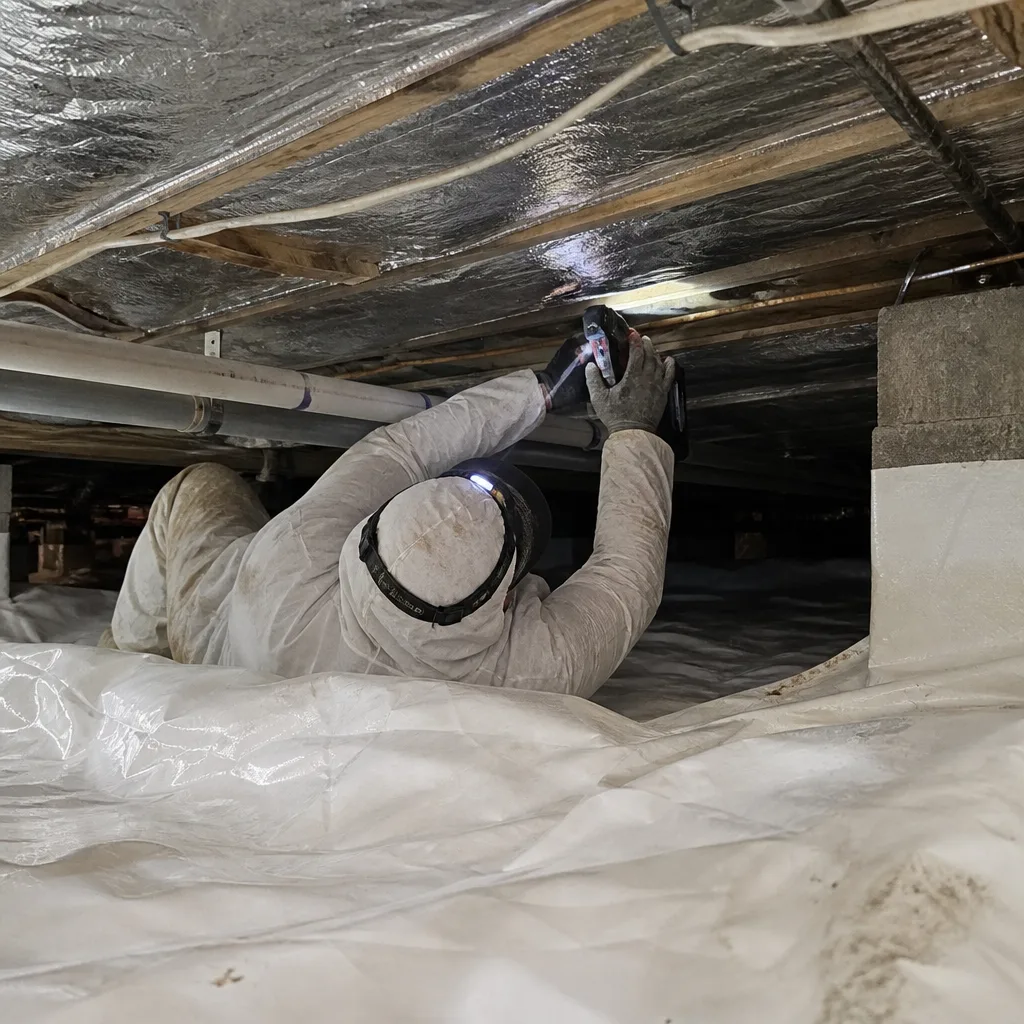
Austin’s mature tree canopy and mild winters support robust rodent populations that seek attic refuge during summer heat and occasional cold snaps, with pier-and-beam construction providing easy ground-level access and older homes offering gaps at eaves and soffits that have widened over decades. Contaminated insulation, gnawed wiring, and compressed nesting material are common findings in 1940s-1970s central Austin neighborhoods where original construction details have degraded. Attic cleaning and rodent proofing restores sanitary conditions and closes the entry vectors that allow reinfestation.
Attic Sanitizing & Decontamination
Signs you need it
Strong ammonia odor in upper rooms, visible droppings or urine staining on insulation or joists, or HVAC intake pulling from attic space and distributing particulates through the house.
What it costs in Austin
Attic sanitizing and decontamination in Austin typically runs $1,500-$4,000, with heavy contamination, multiple rodent species, or damaged HVAC ductwork requiring remediation toward the upper end.
How we do it
We remove contaminated material with HEPA containment, apply enzyme-based sanitizer to all structural surfaces, fog with disinfectant verified effective against hantavirus and leptospirosis, and document with photos before any new insulation is installed.
Rodent Proofing & Exclusion
Signs you need it
Scratching sounds in walls or ceiling, daylight visible through gaps at eaves, or recurring rodent activity despite trapping or baiting efforts.
What it costs in Austin
Rodent proofing and exclusion in Austin ranges $1,200-$3,500 for a typical home, with extensive soffit repair, roofline work, or pier-and-beam foundation sealing pushing toward the upper range.
How we do it
We inspect with motion-activated cameras if needed, seal all entry points 1/4-inch or larger with rodent-proof materials, install vent screens and door sweeps, and provide a written warranty on exclusion workmanship.
What Attic Cleaning & Rodent Proofing Costs in Austin
| Item | Typical range in Austin |
|---|---|
| Attic sanitizing and decontamination | $1,500 - $4,000 |
| Rodent proofing and exclusion | $1,200 - $3,500 |
| Full attic restoration (cleanout, sanitize, re-insulate) | $4,000 - $9,500 |
How do I know if rodents are in my attic?
Nocturnal scratching, droppings the size of rice grains, or compressed trails through insulation are definitive signs. We inspect with borescope and thermal imaging to locate activity and entry points, then provide a written scope for cleaning and exclusion.
Will rodents return after proofing?
Our exclusion work carries a written warranty; if rodents breach our seals, we return at no charge. We also identify secondary attractants like fruit trees or pet food storage that homeowners can address to reduce pressure.
Home Energy Audit in Austin
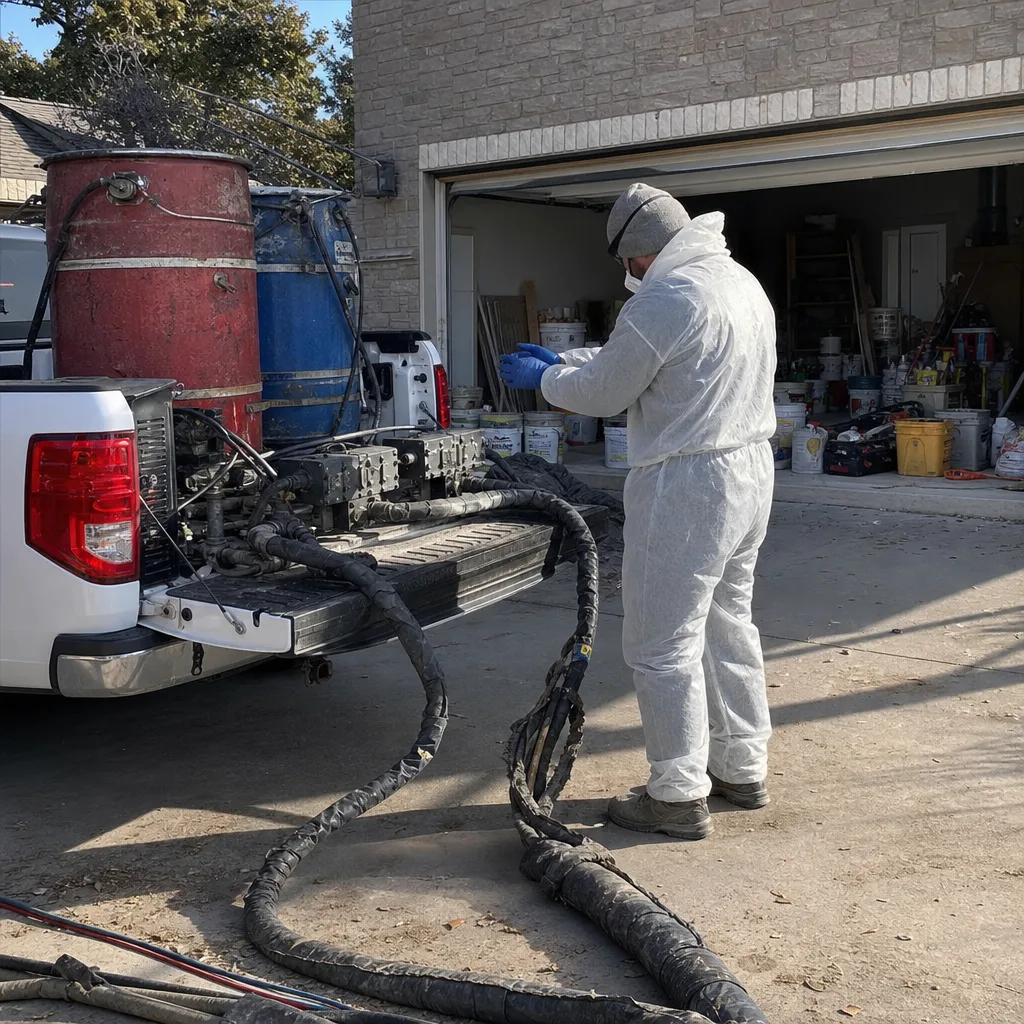
Austin Energy’s rebate programs and the city’s aggressive efficiency goals have made home energy audits a practical starting point for homeowners who want prioritized, data-driven retrofit scopes rather than guessing at which upgrade delivers the best return. The split housing stock - 1940s-1960s pier-and-beam bungalows versus 1970s-2000s slab ranches - means identical symptoms often have different root causes, and a blower-door test with thermal imaging cuts through speculation to show exactly where conditioned air is escaping and thermal bridging is occurring.
Blower Door Test
Signs you need it
High utility bills with no obvious cause, rooms that never reach set temperature, or planning major envelope work and wanting a baseline to measure improvement against.
What it costs in Austin
A standalone blower-door test in Austin runs $300-$600; when bundled with a full audit including thermal imaging and duct testing, the total typically ranges $400-$800.
How we do it
We install a calibrated blower door in an exterior doorway, depressurize the house to 50 Pascals, measure CFM50 leakage rate, and use smoke pencils and thermal imaging to locate dominant leak paths while the fan runs.
Thermal Imaging Inspection
Signs you need it
Visible temperature variation across ceiling or wall surfaces, ice damming or moisture staining patterns, or verification needed after insulation installation to confirm complete coverage.
What it costs in Austin
Thermal imaging included in a full audit runs $400-$800 total; standalone imaging for specific concern areas ranges $250-$500 in Austin.
How we do it
We scan all envelope surfaces with a calibrated FLIR camera during blower-door depressurization and again under normal conditions, capturing images that show insulation gaps, air leakage, and moisture patterns with annotated reports.
What Home Energy Audit Costs in Austin
| Item | Typical range in Austin |
|---|---|
| Blower-door test (standalone) | $300 - $600 |
| Full home energy audit with thermal imaging | $400 - $800 |
| Duct leakage test (included or add-on) | $200 - $400 |
Does Austin Energy require an audit for rebates?
Many Austin Energy rebates require pre- and post-work documentation from a qualified auditor; we provide the blower-door numbers and improvement verification that the program accepts. We note rebate eligibility in your written scope when applicable.
How long does a home energy audit take?
Most audits require two to three hours on-site, with the blower-door test running 30-45 minutes and thermal imaging adding another hour. You receive a written report with prioritized recommendations and estimated savings within 48 hours.
Brands We Service in Austin
We source insulation and air-sealing materials from Owens Corning, Johns Manville, Knauf, Rockwool, CertainTeed, Icynene, Demilec, and GreenFiber - no proprietary lock-in means we specify what’s right for your assembly, not what’s in our warehouse. Our Austin office stocks common batt and loose-fill sizes for same-day starts on standard retrofits. our brands
Pricing for Insulation in Austin, TX
| Service | Typical range in Austin |
|---|---|
| Crawl space vapor barrier | $1,200 - $3,500 |
| Full crawl space encapsulation | $3,500 - $8,500 |
| Attic radiant barrier | $1,500 - $3,500 |
| Radiant barrier roof deck | $2,000 - $4,500 |
| Standard insulation removal | $1,500 - $3,500 |
| Contaminated insulation removal | $2,500 - $5,500 |
| Vermiculite removal | $4,000 - $9,500 |
| Attic air sealing (full) | $2,500 - $5,500 |
| Drill and fill wall insulation | $2,500 - $5,500 |
| Injection foam wall insulation | $3,500 - $7,500 |
| Attic sanitizing and decontamination | $1,500 - $4,000 |
| Full home energy audit | $400 - $800 |
Prices in Austin trend higher when multiple stories, limited attic access, or hazardous material protocol are involved; pier-and-beam homes with extensive crawl space work also run toward the upper end. Every job starts with a written price - flat, itemized, and signed before any work begins - and our Free Second Opinion applies to any competing written estimate you bring us.
Neighborhoods We Serve in Austin
Our Austin office dispatches crews across the metro, with most appointments scheduled within 24-48 hours. These are representative of the areas we work regularly:
- Hyde Park
- Travis Heights
- Bouldin Creek
- Crestview
- North Loop
- Allandale
- East Austin (Chestnut, MLK)
Service Area - Cities Near Austin
We serve the full Austin metro and surrounding communities, with crews regularly working in Pflugerville, TX, Cedar Park, TX, Manor, TX, and Round Rock, TX. Scheduling and dispatch are coordinated from our Austin office, and we carry the same written-price, documented-record standard to every job regardless of distance.
Serving Austin, TX - Our Local Coverage Area
We’re based in the Austin area and know this community well. Use the map below to see our service coverage - if you’re nearby, we can almost certainly help.
FAQs About Insulation in Austin
Our Austin office answers calls live 24/7, and we typically schedule inspections within 24-48 hours for standard requests; urgent situations like post-storm water intrusion or failed HVAC related to attic conditions are prioritized same-day or next-day depending on crew availability.
Most attic and wall insulation retrofits don’t require permits in Austin, but crawl space encapsulation with dehumidification and any spray foam application may trigger inspection requirements; we verify permit status before work starts and include any fees in the written price.
Yes - we schedule attic work for early morning hours during peak summer months and rotate crews to manage heat exposure; our technicians carry hydration and cooling gear, and we never rush safety to hit a schedule.
What happens when you call
- 1A real person answersNo phone trees - talk to a local insulation pro.
- 2You get an upfront price rangeHonest numbers before anyone is dispatched. No surprises.
- 3A background-checked tech heads outLicensed & insured, typically same-day.
- 4You approve before work beginsNothing starts until you say go.
What Austin Customers Say
"Fixed price, clean work, and they hauled the old material away as agreed."
- Todd M."They photographed rodent damage in the old insulation that we had no idea about, and priced the exclusion work separately so we could decide."
- Harriet N."Turned up on time, protected the hallway, and the written scope matched what was actually done."
- Bruno S.