

Fast, Reliable Spray Foam Insulation Across Austin
Spray foam insulation in Austin typically runs $1.80-$3.20 per board foot for open-cell and $3.50-$5.50 for closed-cell, with most whole-attic encapsulations falling between $4,500 and $9,500 depending on roof deck square footage and whether hazardous material abatement is needed first. We’re Envelope Insulation Co., operating under The Haven Standard since 2016, and our Austin office dispatches crews daily to homes from Crestview to Travis Heights. Call (737) 245-6428 for a written price before any work starts - that’s Haven Standard Clause 1, no exceptions.
Austin’s housing stock demands a specific kind of spray foam expertise. The city sits in ASHRAE Climate Zone 2A, hot-humid, with 90-plus days above 90°F and attic temperatures that hit 150-160°F in July and August. That heat load alone would be manageable, but Austin’s 1980s-2000s slab-on-grade subdivisions - think North Austin, South Austin, the stretch between MoPac and SH-130 - were built with HVAC air handlers and flex duct runs parked in those same unconditioned attics. The equipment was never meant to operate in that environment. Our Spray Foam Insulation team treats conditioned-attic encapsulation as a standard scope here, not a specialty upgrade, because the building science failure is that widespread.
Why Topside Attic Insulation Cedar Park Is Austin’s Preferred Spray Foam Insulation Company
We’ve sealed and insulated over 9,000 homes since 2016, every one with a written price before work started and a documented record when the crew left. In Austin specifically, that volume includes hundreds of conditioned-attic conversions and pier-and-beam under-floor encapsulations across the metro. Our reviews from Austin customers consistently note two things: the blower-door numbers we publish, and the fact that we actually show up when we said we would.
Response time to Austin addresses is same-day or next-day for standard calls, with emergency scheduling available when attic temperatures are threatening equipment failure or indoor air quality. Our crews know the local permit landscape - Austin Energy rebate paperwork, Travis County environmental health requirements for vermiculite assessment, the specific rebate forms for conditioned-attic upgrades that privately served cities like Pflugerville or Round Rock simply don’t offer.
Under Haven Standard: Arrive on schedule, you get a named technician and a text when they are on the way. Background-checked, uniformed crews. Calls answered by a live person, 24/7 - no voicemail loops, no callback windows measured in business days.
Our Spray Foam Insulation Services in Austin
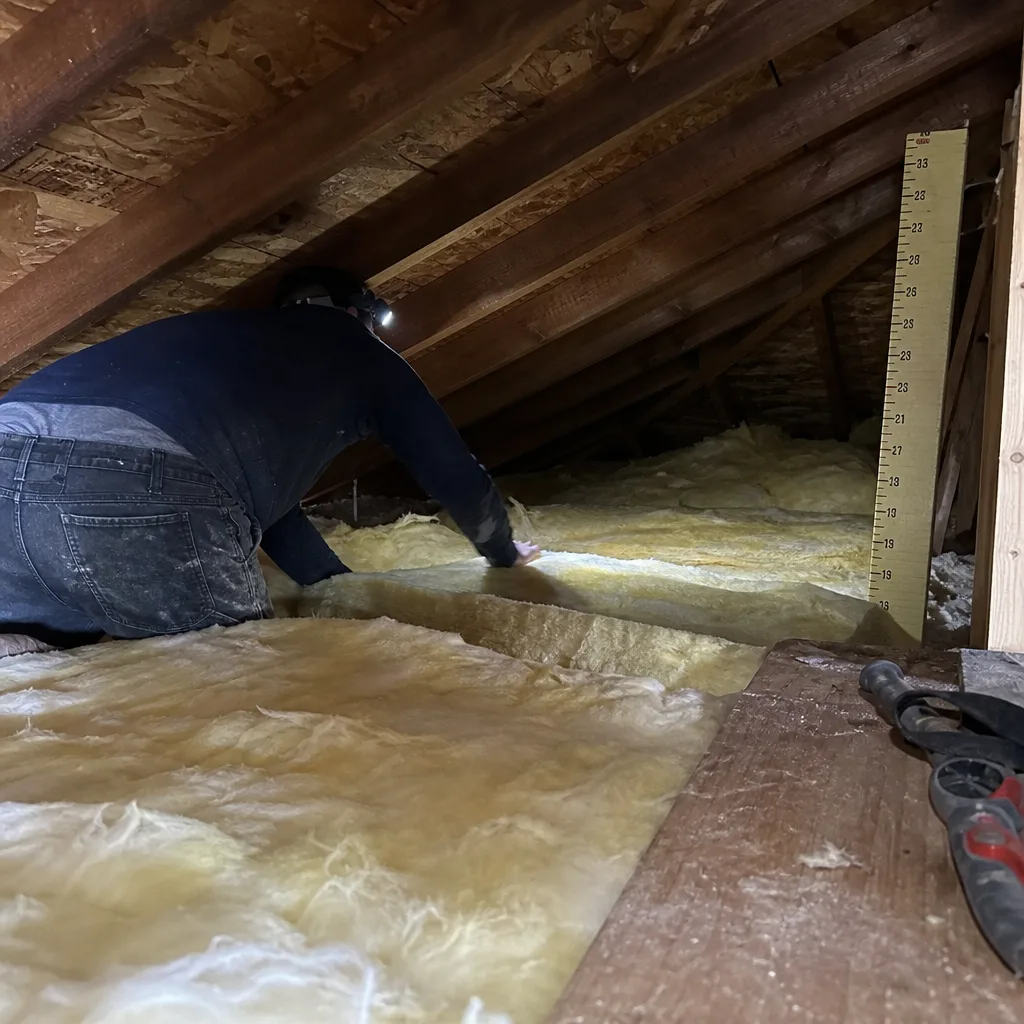
Closed-Cell Spray Foam
Closed-cell spray foam is our primary recommendation for Austin roof deck encapsulation. At 2.0-2.2 lbs per cubic foot, it delivers R-6.5 to R-7 per inch, acts as its own vapor retarder, and adds structural rigidity to roof decking that has been thermally cycling in 150°F attics for decades. In Austin’s market, closed-cell runs $3.50-$5.50 per board foot installed. We source from Demilec and Johns Manville, among others - no proprietary lock-in, so the spec matches the building, not our supplier agreement. For a typical 1,800 square foot roof deck at 5.5 inches (R-38 to R-40), expect $6,800-$10,200 before Austin Energy rebates.
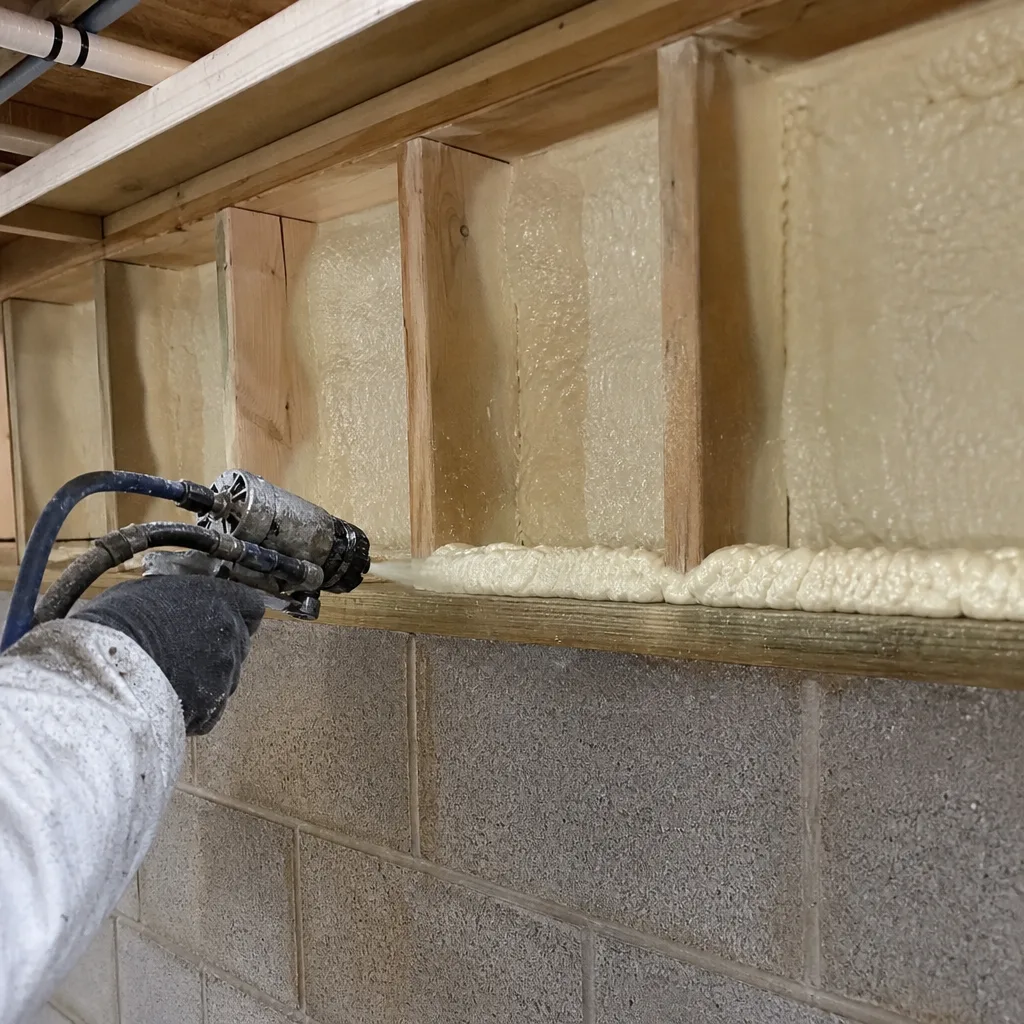
Spray Foam Roof Deck
This is the dominant Austin retrofit, and it’s not close. We spray closed-cell foam directly to the underside of the roof deck, extending down to the top plates, converting the attic from a vented, unconditioned space to a semi-conditioned zone inside the thermal envelope. The air handler, flex ducts, and any platform framing get sealed and encapsulated as part of the scope - not left as an afterthought. In Crestview, we opened a 1974 attic and found original blown-in rockwool compacted to roughly nothing, with vermiculite-contaminated patches that forced a hazmat assessment before we could touch anything. After abatement we sealed the roof deck with closed-cell Demilec and foamed the rim joists, pulling the air handler and flex duct inside the conditioned envelope. The homeowner’s summer electric bills and the second-floor temperature swing both dropped hard the first August after. We published the before-and-after blower-door numbers: 4,200 CFM50 down to 2,100. That’s what the work actually did.
Rim Joist Spray Foam
Rim joists - the perimeter band where the foundation meets the first floor - are the leakiest part of most Austin slab-on-grade homes. In hot-humid Zone 2A, unsealed rim joists pull humid outdoor air into wall cavities and floor systems. We spray closed-cell foam to 2-3 inches on rim joists, typically $800-$1,400 for a standard ranch. In pier-and-beam bungalows in Hyde Park or Travis Heights, the scope expands to include the full under-floor cavity, since the stack effect in these homes pulls ground-level humid air straight up through open floor bays.
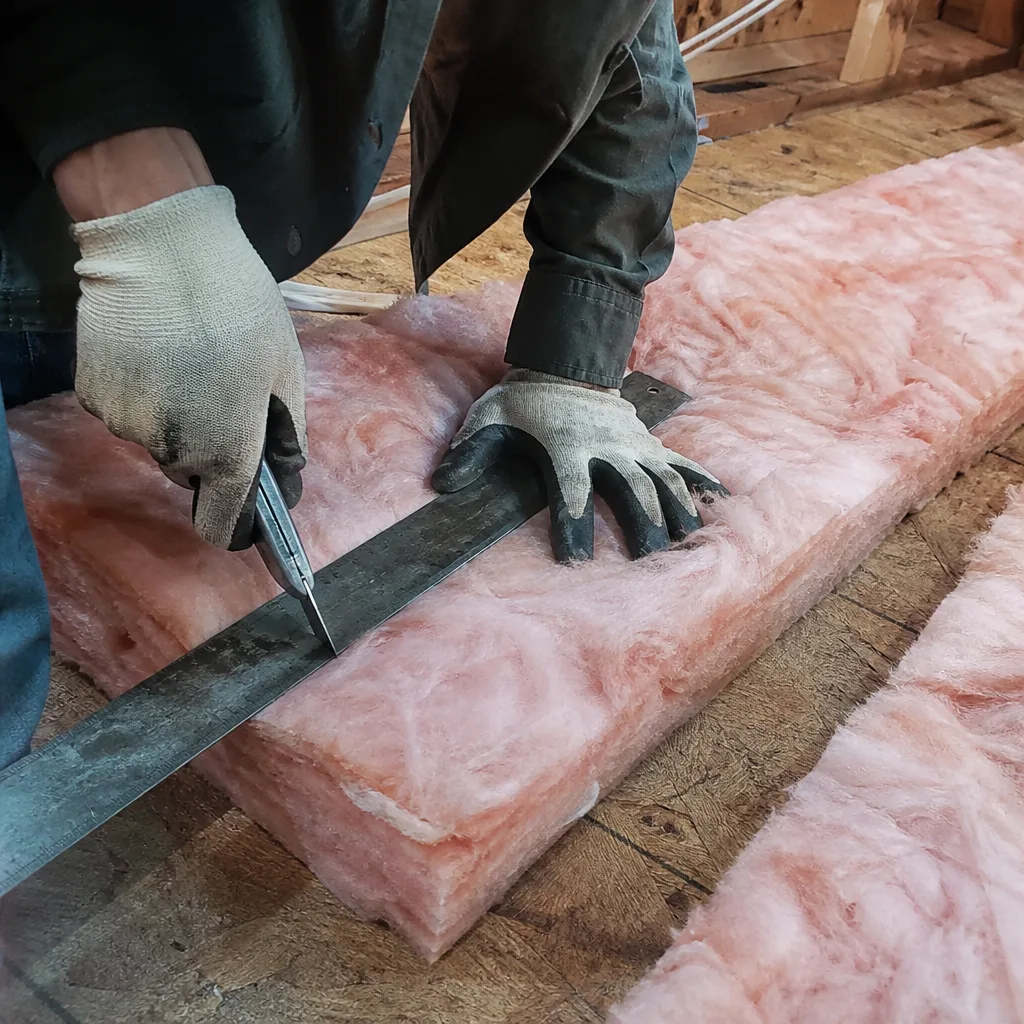
Open-Cell Spray Foam
Open-cell foam, at 0.5 lbs per cubic foot and R-3.6 to R-3.8 per inch, is vapor-permeable and cost-effective for above-grade wall cavities where drying to the interior is desired. In Austin, we use it selectively: interior wall sound dampening, certain cathedral ceiling assemblies, and in combination with closed-cell where the building science calls for a permeable layer. Open-cell runs $1.80-$3.20 per board foot. It’s not our default for roof decks here - the vapor management and structural density of closed-cell matter too much in 160°F attics - but it’s the right tool for specific applications, and we spec it when it is.
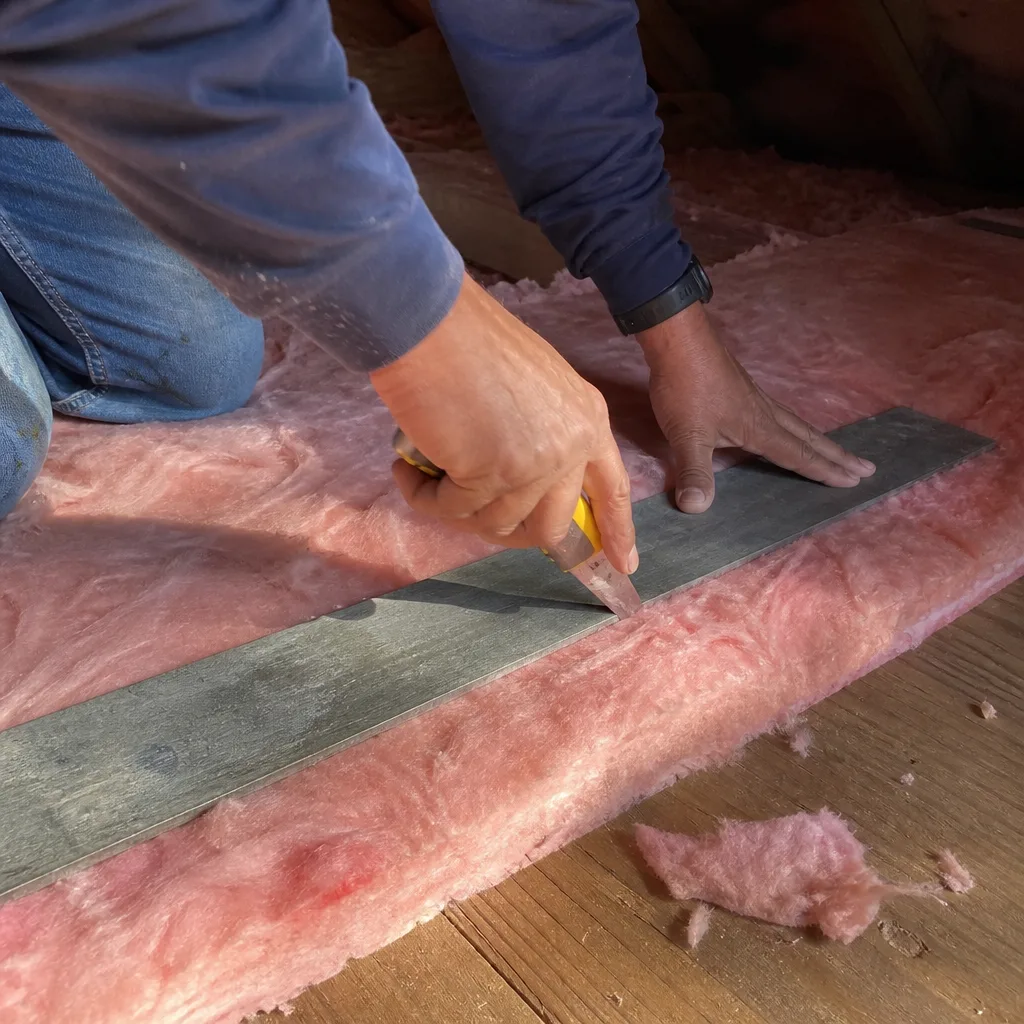
Garage Ceiling Spray Foam
Garage ceiling encapsulation is increasingly common in Austin’s infill conversions and ADU additions, where a garage space is being conditioned or where the room above is thermally compromised by an uninsulated garage roof. We typically use open-cell for garage ceiling applications where the space below remains unconditioned, or closed-cell where the garage itself is being brought into the envelope. Pricing runs $2,200-$4,800 depending on square footage and foam type.
What happens when you call
- 1
A real person answersNo phone trees - you reach a local pro.
- 2
You get an upfront price rangeHonest numbers before anyone is dispatched.
- 3
A background-checked tech heads outLicensed & insured, dispatched right away.
- 4
You approve before work beginsNothing starts until you say go.
Trusted Brands We Service in Austin
We source spray foam materials from Owens Corning, Johns Manville, Knauf, and other major manufacturers including Demilec and Icynene. No proprietary product lock-in - the spec follows the building’s needs, not our purchasing agreement. Our Austin warehouse stocks common closed-cell and open-cell kits for rapid deployment, and we maintain relationships with local distributors for same-day or next-day specialty material orders. Every batch is documented with manufacturer lot numbers and applied density readings, included in your job record.
Common Spray Foam Insulation Problems We See in Austin Homes
- Closed-cell sprayed over compacted 1970s rockwool or vermiculite-contaminated patches without abatement first. In Crestview and North Loop, we regularly find original attic insulation that has degraded to hazardous material status. Foaming over it traps contaminated material in the assembly, violates Travis County environmental health requirements, and voids manufacturer warranties. We price an inspection and, if needed, abatement step into every central-Austin attic quote.
- Conditioned attic created, but air handler platform and flex duct runs left unsealed. The roof deck gets foamed, the attic looks finished, but the equipment platform is still exposed to 150°F air and the flex ducts are leaking conditioned air into a space that was supposed to be inside the envelope. We see this from cut-rate competitors regularly. Our scope explicitly includes platform boxing, duct sealing, and blower-door verification that the air handler is actually operating in conditioned space.
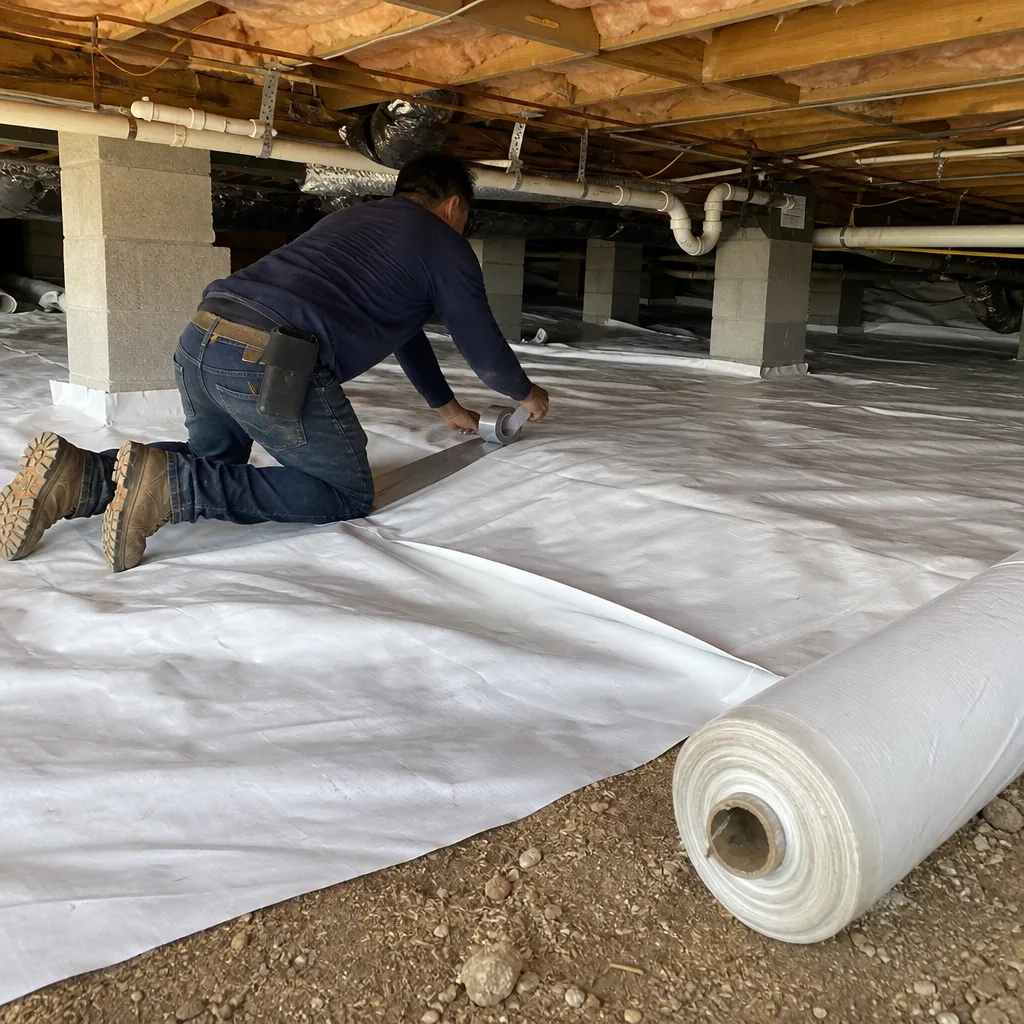
- Pier-and-beam bungalow attic foamed without addressing open under-floor and wall cavities. Hyde Park and Travis Heights homes built in the 1940s-1960s have continuous air pathways from crawl space to attic. Foam the attic alone and the stack effect in Zone 2A pulls humid outside air up through the floor system - the foam gets blamed for moisture it never controlled. Our scope for these homes always includes under-floor air sealing and vapor barrier as a prerequisite.
- Winter Storm Uri aftermath: homeowners targeting pre-2021 R-values. The February 2021 freeze drove Austin temperatures to historic lows and caused widespread pipe failures in under-insulated homes. Demand shifted permanently toward higher R-values and comprehensive air sealing. We now see homeowners requesting R-49 to R-60 in attics that previously had R-19 or less - and the building science supports it in this climate, for both cooling and heating loads.
Pricing for Spray Foam Insulation in Austin, TX
Most spray foam projects in Austin fall into these ranges:
| Application | Typical Range |
|---|---|
| Open-cell wall cavities (per board foot) | $1.80 - $3.20 |
| Closed-cell roof deck / rim joist (per board foot) | $3.50 - $5.50 |
| Whole attic encapsulation, standard ranch (1,500-2,200 sq ft roof deck) | $4,500 - $7,800 |
| Whole attic encapsulation, large home or complex roof (2,200-3,500 sq ft) | $7,800 - $12,500 |
| Rim joist only, standard slab-on-grade | $800 - $1,400 |
| Garage ceiling, standard 2-car | $2,200 - $4,800 |
| Vermiculite / hazmat assessment and abatement (if needed) | $1,200 - $3,500 |
What moves the number: roof deck square footage and complexity, accessibility, existing insulation condition and removal needs, whether hazardous material abatement is required, and whether the air handler platform and ductwork need boxing and sealing. Austin Energy rebates for conditioned-attic encapsulation typically offset $500-$1,500 of project cost for qualifying homes. We provide a written price before any work starts - always - and a Free Second Opinion on any competing written estimate. Call (737) 245-6428 for exact numbers on your home.
We Also Serve Cities Near Austin
Our Spray Foam Insulation in Austin crews also work in Pflugerville, Cedar Park, Manor, and Round Rock. Note that Austin Energy’s municipal rebate program does not extend to privately served neighboring cities - the conditioned-attic encapsulation incentives that can offset $500-$1,500 of project cost are Austin-specific. We adjust scope and pricing accordingly for homes outside the Austin Energy service territory.
Serving Austin, TX - Our Local Coverage Area
We’re based in the Austin area and know this community well. Use the map below to see our service coverage - if you’re nearby, we can almost certainly help.
FAQs - Spray Foam Insulation in Austin
Austin’s combination of 150-160°F attic temperatures, widespread HVAC equipment placement in those attics across 1980s-2000s housing stock, and a municipally funded rebate program creates a retrofit case that doesn’t exist at this scale elsewhere. In privately served cities, the same building science applies but the financial incentive and the sheer concentration of affected homes don’t. Austin Energy pays toward conditioned-attic upgrades that neighboring utilities simply don’t match. Call (737) 245-6428 and we’ll review whether your home qualifies.
Yes - we treat vermiculite assessment as a mandatory step in these zip codes, not optional. Original 1970s blown-in rockwool in these neighborhoods is frequently laced with vermiculite-contaminated patches that require hazmat abatement before any new insulation is installed. We price this inspection into every attic quote in Crestview and North Loop, and we won’t spray over material that hasn’t been cleared. The documented photo record includes pre-abatement sampling results when applicable. Call (737) 245-6428 to schedule an inspection.
No - and doing so would leave the home with a moisture problem the foam would get blamed for. These 1940s-1960s bungalows have open under-floor cavities and wall bypasses that create a continuous stack effect from crawl space to attic. In hot-humid Zone 2A, humid outside air gets pulled up through the floor system. Our scope for these homes always includes under-floor air sealing and vapor barrier work as a prerequisite to any attic foam. The written price covers the full envelope, not a partial fix.
We now recommend R-38 to R-49 minimum for Austin attics, with R-49 to R-60 for homeowners who experienced heating failure or pipe freezing during the February 2021 freeze. Pre-Uri, R-19 to R-30 was common in local code-minimum construction; the storm exposed how catastrophically under-insulated most Texas homes are on the heating side. The target depends on your specific heating system, duct location, and whether the attic is conditioned or vented - all of which we assess and document in your written scope. Call (737) 245-6428 for a specific recommendation.
Closed-cell foam at 2.0+ lbs density and 1.5+ inches thickness acts as a Class II vapor retarder, meaning it blocks bulk moisture drive while allowing minimal diffusion. In a conditioned-attic application, the roof deck dries to the exterior through standard ventilation, and the interior face is maintained at conditioned-space dew points. The failure mode we see isn’t trapped moisture - it’s incomplete encapsulation where the foam stops at the roof deck but the air handler platform and ducts are left exposed, creating condensation surfaces. Our scope includes complete equipment sealing and blower-door verification. Call (737) 245-6428 for documentation from comparable Austin jobs.
Ready to see what spray foam can do for your home? Call (737) 245-6428 for a free estimate with a written price before any work starts - Haven Standard Clause 1, always. We’ll bring the blower door, the photo documentation, and the local building science knowledge that comes from sealing and insulating thousands of Austin homes.
Written by Wes Okafor, Owner at Envelope Insulation Co., serving Austin since 2016.