
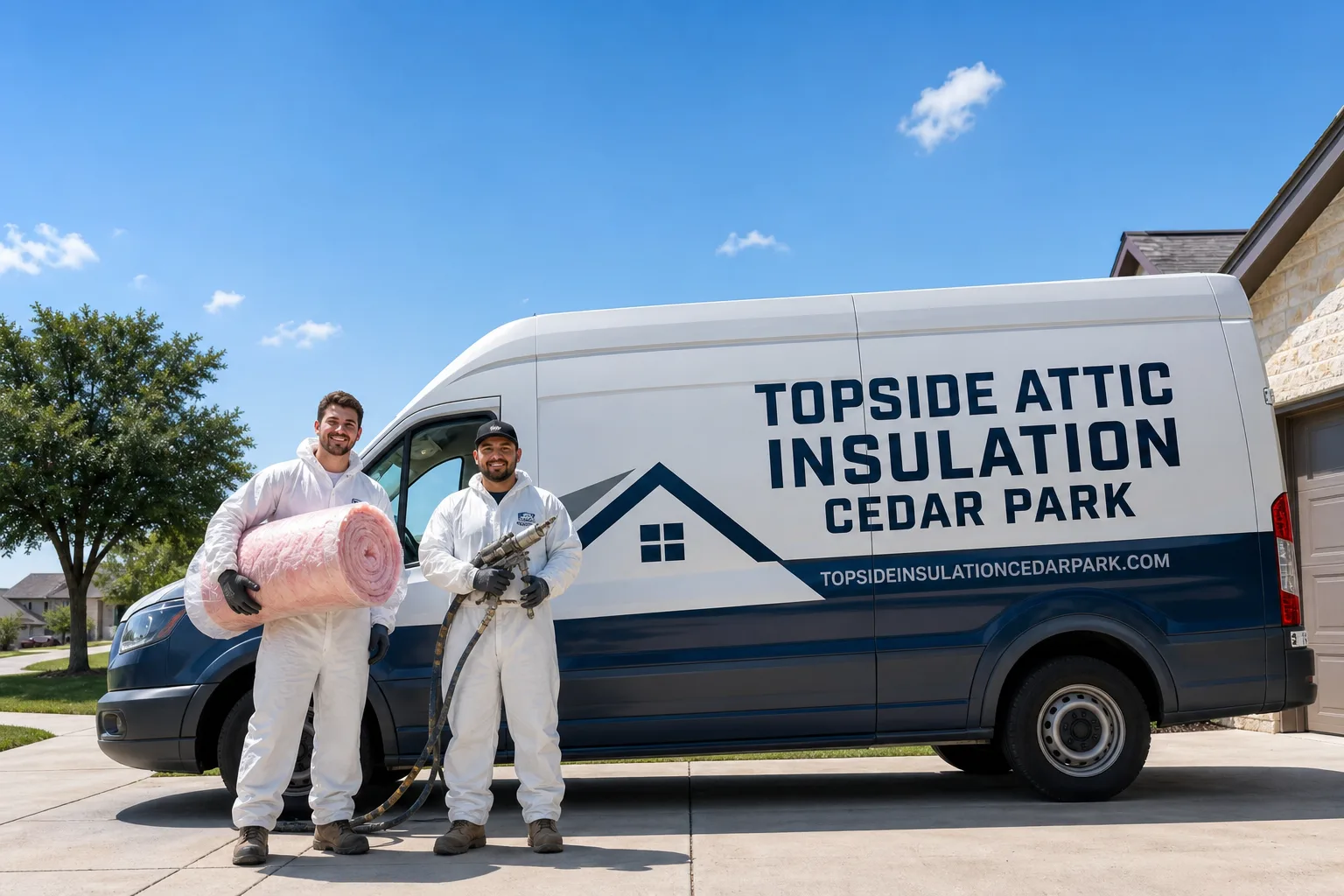
Fast, Reliable Spray Foam Insulation Across Jollyville
Spray foam insulation in Jollyville typically runs $1,800-$4,500 for most residential jobs, with same-week scheduling available and crews dispatched from our Austin office. We’re familiar with the specific headaches these 1970s-1980s tract homes present: the settled fiberglass, the unsealed top plates, the garage ceilings that turn into ovens by June. If you’re off Spicewood Springs Road, near the US-183 corridor, or closer to the Balcones Escarpment edge, we’ll have a crew there fast. Call (737) 245-6428 for a written price before any work starts.
Why Topside Attic Insulation Cedar Park Is Jollyville’s Preferred Spray Foam Insulation Company
We’ve worked enough Jollyville attics to know the difference between a 1978 ranch and a 1986 colonial-style two-story without climbing the ladder. Our Spray Foam Insulation team has sealed and insulated homes from the Spicewood Springs corridor down toward the Brushy Creek border, and the pattern is consistent: original blown fiberglass degraded to R-6 or less, zero air-sealing at top plates, and HVAC systems that have been replaced twice while the envelope stayed untouched.
Our reviews from Jollyville customers mention the same things repeatedly: we show the blower-door numbers, we write the price before we lift a tool, and we don’t blow foam over leaks. Under Haven Standard Clause 1, every job gets a flat price, written scope, and written warranty before anyone starts. Dispatch and scheduling run from our Austin office, but crews serve Jollyville locally with same-week availability on most spray foam jobs. Calls are answered by a live person 24/7, no voicemail loops.
Our Spray Foam Insulation Services in Jollyville
Closed-Cell Spray Foam
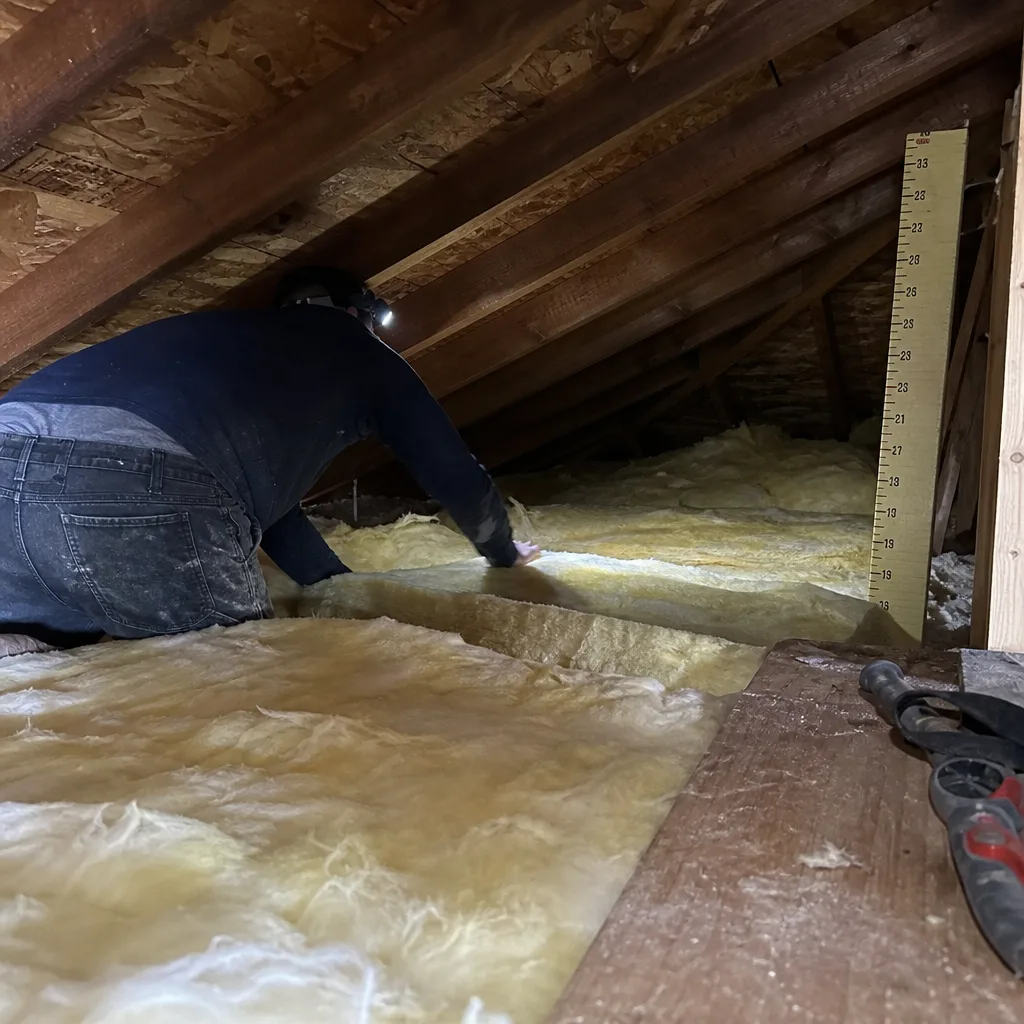
Closed-cell is the workhorse for Jollyville’s older slab ranches. At 2 inches, it hits R-14 and acts as its own vapor barrier, which matters on rim joists and garage ceilings where ground moisture meets 140°F attic heat. We use it strategically, not everywhere: flash the rim joist and top plates first, then assess whether the attic ceiling needs open-cell or a hybrid approach. On a 1979 brick-veneer ranch off Spicewood Springs Road, our crew opened the attic to find original blown fiberglass settled to a 3-inch mat and the top plates wide open; we air-sealed the plates and recessed can penetrations, then applied 2 inches of closed-cell to the rim joist and garage ceiling while keeping the open-cell on the attic roof deck. The homeowner’s summer electric bill dropped the next cycle, and the garage stayed cool enough that the door opener chain stopped sweating through August.
Open-Cell Spray Foam
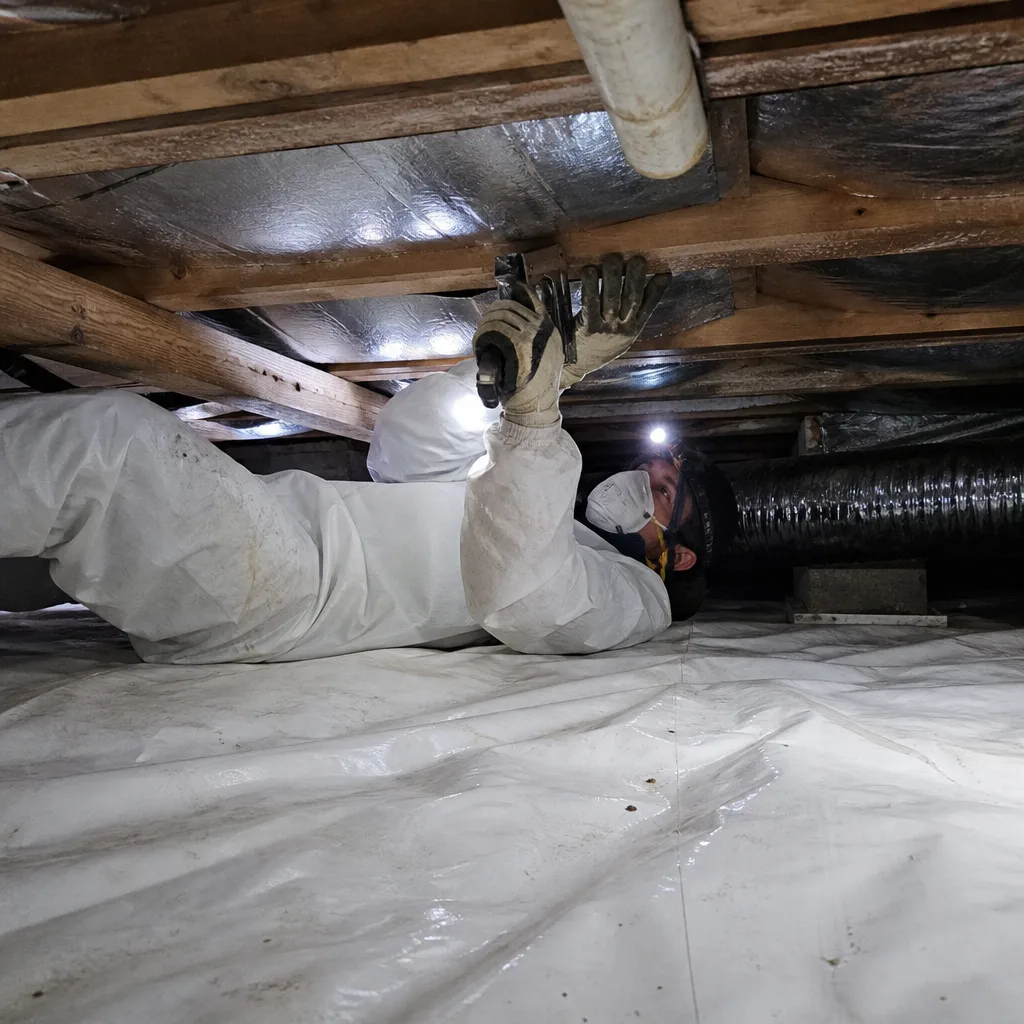
Open-cell goes on the attic roof deck in Jollyville’s vented attics, creating an unvented conditioned space at roughly R-3.6 per inch. It’s breathable, so it won’t trap moisture the way closed-cell can if applied wrong. We specify open-cell for roof decks only after we’ve confirmed the existing ventilation strategy and sealed every top plate penetration. The 1970s builds here often have recessed can lights cut through the ceiling drywall with no airtight trim kits; we seal those first, then foam. Skip the air-sealing, and you’re just moving the leak.
Rim Joist Spray Foam
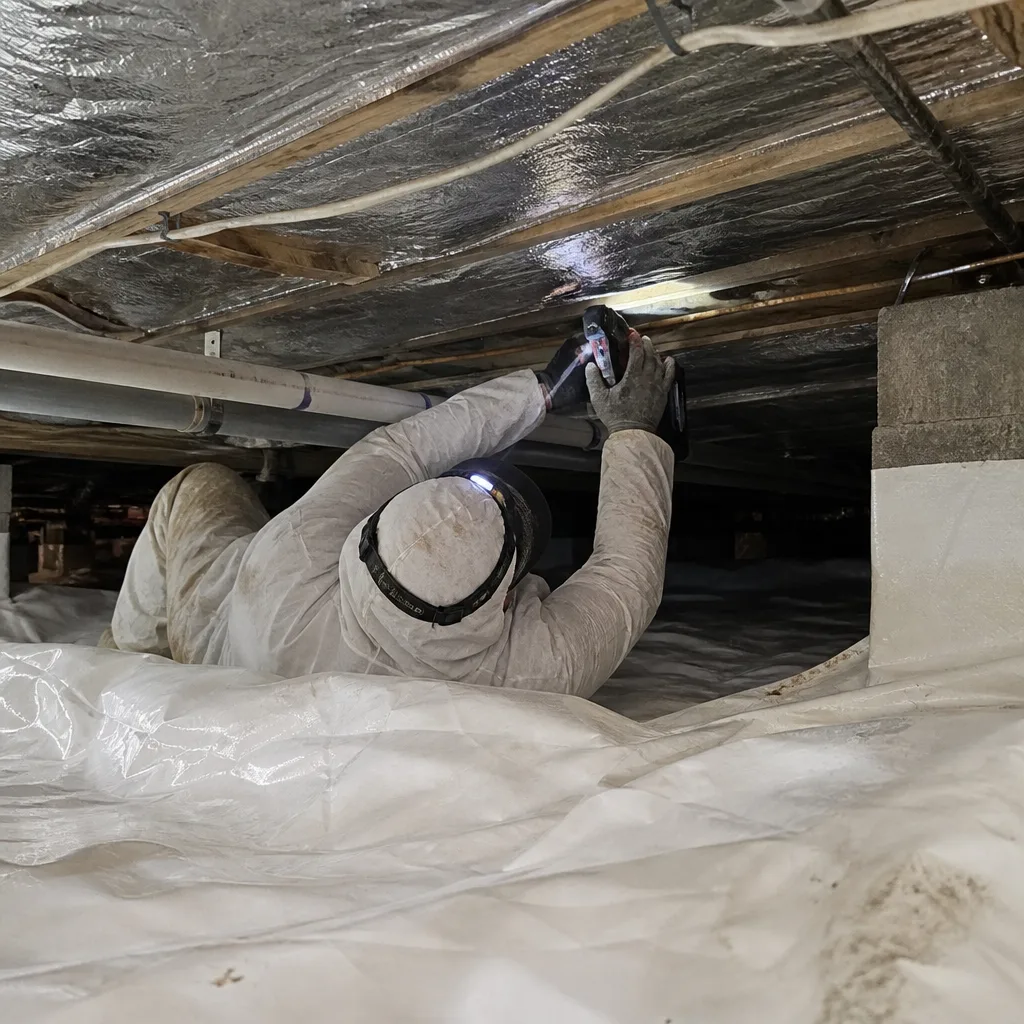
The rim joist is where Jollyville’s slab ranches lose the most conditioned air to the garage and crawl-adjacent perimeter. In these 40-to-50-year-old homes, the rim joist was typically left open to the block wall cavity, no seal, no insulation. We flash 2 inches of closed-cell here first on nearly every Jollyville job. It’s the highest-impact square footage in the house. One crew last March found a rim joist on a 1982 ranch near McNeil Drive pulling 180 CFM50 on the blower door by itself; after sealing and foaming, that dropped to 22. The homeowner felt the difference in the kitchen floor temperature within 48 hours.
Garage Ceiling Spray Foam
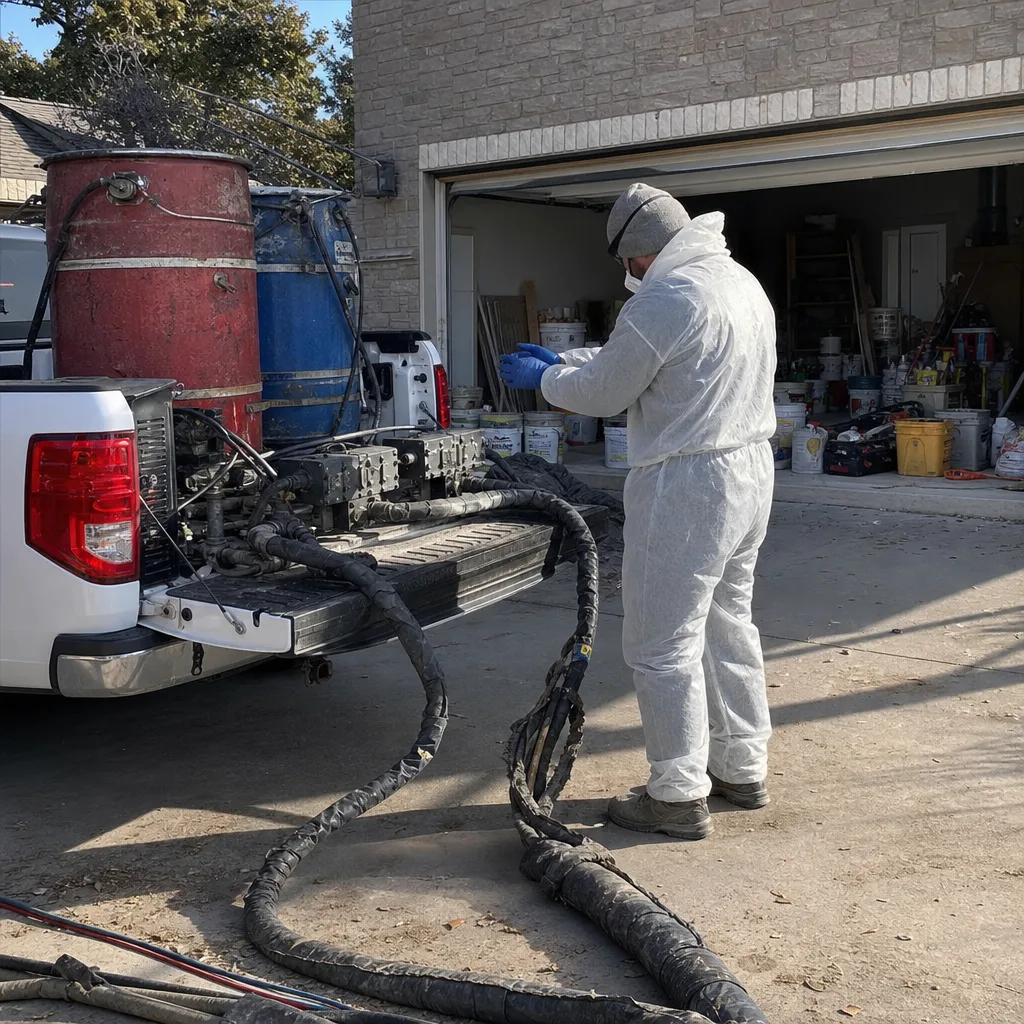
Jollyville garages are attached, unconditioned, and separated from the house by a single layer of drywall with no air barrier. In summer, the ceiling hits 130°F and radiates straight into bedrooms above. We spray closed-cell on the garage ceiling to create a thermal break and air seal simultaneously. Critical caveat: if there’s a gas water heater in that garage, we verify combustion air supply before sealing anything. A tight garage with a backdrafting water heater is a CO hazard, not a comfort problem. We document the combustion zone plan in writing before foam touches the ceiling.
Spray Foam Roof Deck
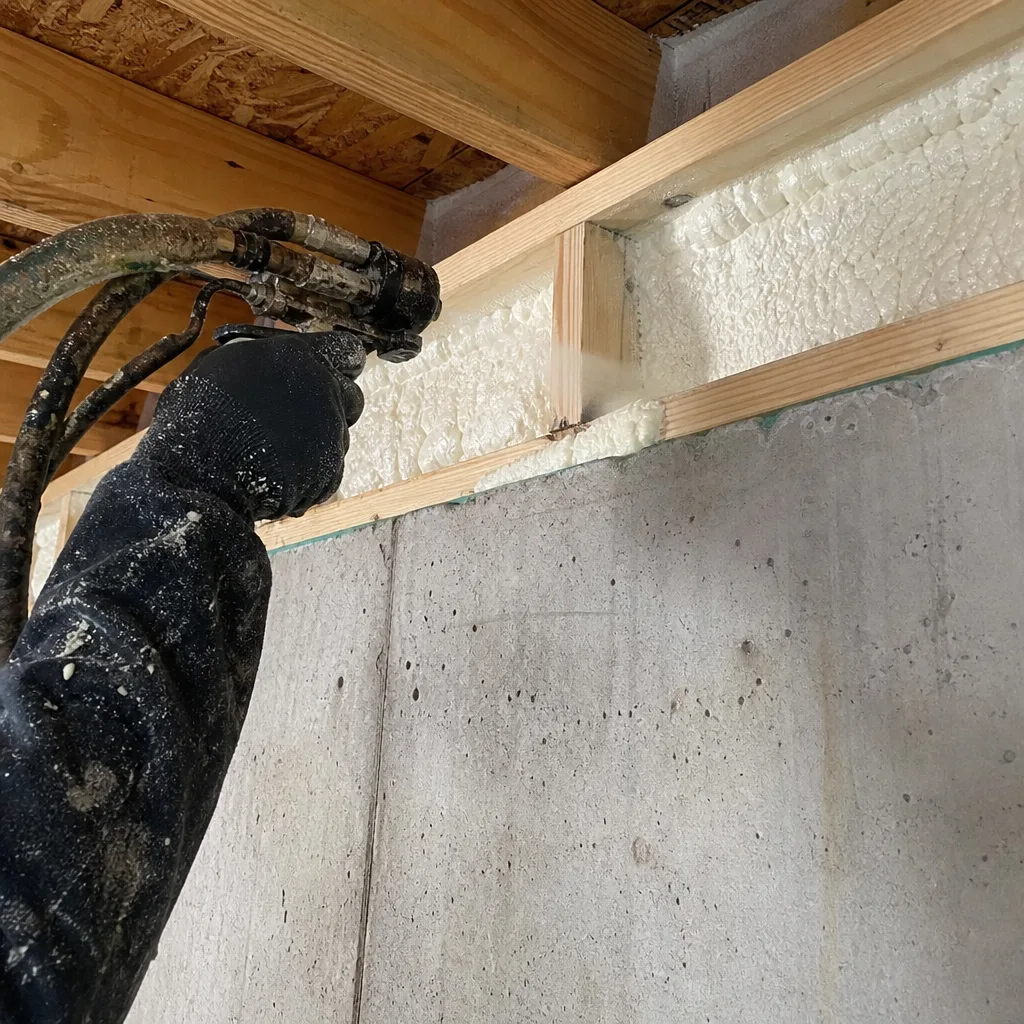
Cathedral ceilings in Jollyville’s mid-80s two-stories create a known void: no attic space, no place for conventional insulation, and often original R-11 batts sagging against the drywall. We spray open-cell directly to the roof deck underside, converting the cavity to conditioned space. Every roof-deck job requires a code-compliant thermal barrier; exposed foam in a 140°F+ attic without ignition protection fails inspection and creates a fire risk. We specify the barrier in the written scope before starting.
What happens when you call
- 1
A real person answersNo phone trees - you reach a local pro.
- 2
You get an upfront price rangeHonest numbers before anyone is dispatched.
- 3
A background-checked tech heads outLicensed & insured, dispatched right away.
- 4
You approve before work beginsNothing starts until you say go.
Trusted Brands We Service in Jollyville
We source spray foam materials from Owens Corning, Johns Manville, and Knauf, among others, with no proprietary lock-in that limits what’s best for your specific assembly. For Jollyville’s climate, closed-cell spec usually runs toward medium-density 2.0 lb/ft³ formulations with blowing agents selected for Central Texas humidity cycles. We stock common kit sizes locally for faster turnaround on smaller jobs like rim joist and garage ceiling work. Every batch ships with manufacturer data sheets; we keep them on file with your job photos.
Common Spray Foam Insulation Problems We See in Jollyville Homes
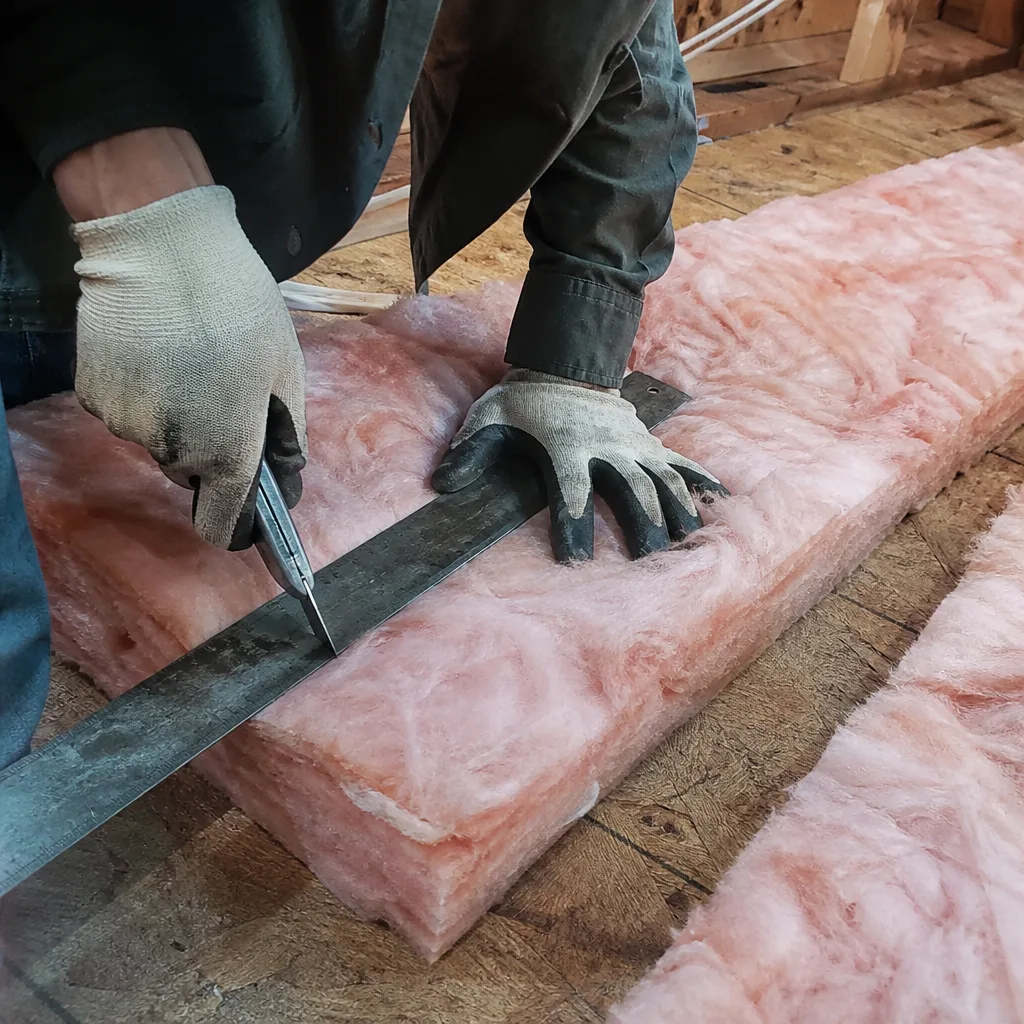
- Closed-cell sprayed directly over degraded 1970s blown fiberglass without air-sealing the top plates first. The humid attic air trapped between the old fiberglass and new foam condenses on the cool foam surface during Central Texas spring temperature swings. We’ve stripped out blackened foam from three Jollyville attics where this was done by prior contractors.
- Garage ceiling and rim joist foam applied in an unvented 1970s garage with no combustion-air plan. The water heater backdrafts once the space is sealed tight. We verify appliance zones and document the combustion air strategy in writing before sealing.
- Roof-deck foam sprayed on cathedral-ceiling builds that lack a code-compliant thermal barrier. Exposed foam in a 140°F+ attic with no ignition protection is a fire code violation and an insurance problem. We specify the barrier material and installation method in the written scope before anyone starts.
- Open-cell applied to rim joists in ground-contact zones. Open-cell is vapor-permeable; on a slab perimeter with seasonal moisture drive, it wicks water and degrades. We spec closed-cell for all Jollyville rim joist work, period.
Pricing for Spray Foam Insulation in Jollyville, TX
Most Jollyville spray foam jobs fall in these ranges based on what we’ve written for homes in the area:
| Application | Typical Range |
|---|---|
| Rim joist (closed-cell, typical 3-car garage perimeter) | $1,800-$2,800 |
| Garage ceiling (closed-cell, 400 sq ft) | $2,200-$3,400 |
| Attic roof deck, open-cell (1,200 sq ft vented attic) | $2,800-$4,200 |
| Whole-house attic + rim joist + garage (two-phase air seal + foam) | $4,500-$7,500 |
What moves the number: accessibility (cathedral ceilings cost more to scaffold), existing insulation removal (settled fiberglass adds labor), and whether we need to install ignition barriers or combustion-air supplies. Every quote is flat, written, and delivered before work starts. Haven Standard Clause 1, no exceptions. Call (737) 245-6428 for a written price on your specific Jollyville home.
We Also Serve Cities Near Jollyville
Our crews run spray foam jobs across the north Austin metro, including Jollyville and neighboring Cedar Park, Leander, Brushy Creek, and Round Rock. Same scheduling, same written price guarantee, same documented photo record on every visit.
Serving Jollyville, TX - Our Local Coverage Area
We’re based in the Jollyville area and know this community well. Use the map below to see our service coverage - if you’re nearby, we can almost certainly help.
FAQs - Spray Foam Insulation in Jollyville
Because Jollyville’s 1970s-80s slab ranches were built with zero air-sealing at top plates and original R-6-or-less attic fiberglass; foam the ceiling first and the house just moves moisture and heat to the next unsealed gap. We air-seal plates, can lights, and penetrations, then foam the rim joist, then assess the attic ceiling. Call (737) 245-6428 for a written scope on your home.
Yes. Closed-cell on the garage ceiling typically drops the surface temperature from 130°F to near-ambient, which stops radiant heat transfer into rooms above and keeps the garage usable. On that 1979 Spicewood Springs Road job, the garage stayed cool enough that the door opener chain stopped sweating through August. We verify combustion air for any gas appliances before sealing. Call (737) 245-6428 for a written price.
No, not without removal first. The settled fiberglass in these homes is often compressed, degraded, and holding decades of dust and moisture. We remove it, air-seal the deck and plates, then foam. Spraying over it traps humidity and voids most manufacturer warranties. Call (737) 245-6428 and we’ll show you what’s actually up there.
Yes, if the thermal barrier is addressed. These homes often have R-11 batts sagging in cathedral cavities with no ventilation path. Open-cell on the roof deck converts the cavity to conditioned space, but code requires an ignition barrier on the foam face. We specify and install the barrier as part of the written scope. Call (737) 245-6428 for a written price.
Not if it’s done right. The February 2021 freeze showed that unsealed, under-insulated attics in Jollyville lost heat fast and then trapped meltwater when ice dams formed on poorly insulated eaves. Our two-phase approach, air-seal first, controls where vapor moves and prevents condensation on cold surfaces. We document the assembly strategy in writing before starting. Call (737) 245-6428 for a free second opinion on any competing quote.
Written by Wes Okafor, Owner at Topside Attic Insulation Cedar Park, serving Jollyville since 2016 under The Haven Standard.