
How Much Does Crawl Space Encapsulation & Vapor Barrier Cost in Cedar Park?
Crawl Space Encapsulation & Vapor Barrier services in Cedar Park, TX typically run between $3,800 and $8,500 for a standard single-family home, with most jobs landing around $5,500 to $6,200. A basic vapor barrier installation alone (without full encapsulation) costs considerably less – usually $1,200 to $2,800 – but it solves a narrower problem and often needs to be redone within a few years in Central Texas’s climate.
Those numbers are based on what we actually quote and complete in Cedar Park and the surrounding communities, not a national average inflated or deflated to look competitive. The full breakdown is below.
Crawl Space Encapsulation & Vapor Barrier Cost Breakdown (2026)
Most Cedar Park crawl spaces fall somewhere between 800 and 2,200 square feet. Here’s how the pricing stacks up by scope:
| Scope of Work | Typical Price Range | Notes |
|---|---|---|
| Vapor barrier only (6-mil poly, unsealed) | $1,200 - $2,000 | Basic moisture control; edges not sealed to walls |
| Reinforced vapor barrier (10-20 mil, taped seams) | $1,800 - $3,200 | Better than basic; still not a true encapsulation |
| Full encapsulation – small crawl space (under 1,000 sq ft) | $3,800 - $5,200 | Includes wall coverage, sealed penetrations, drainage layer |
| Full encapsulation – mid-size crawl space (1,000-1,600 sq ft) | $5,000 - $6,800 | Most common scope in Cedar Park’s 2000s-era neighborhoods |
| Full encapsulation – large crawl space (1,600-2,400+ sq ft) | $6,500 - $8,500 | Larger footprints, often with multiple access points |
| Crawl space insulation (spray foam or rigid board to floor joists) | $1,500 - $3,800 | Often added alongside encapsulation for full envelope performance |
| Dehumidifier installation (crawl space-rated unit) | $900 - $1,800 | Recommended when humidity stays above 55% after sealing |
| Mold treatment / antimicrobial application | $300 - $900 | Applies when active mold is present before encapsulation |
| Old liner removal and disposal | $200 - $600 | Necessary if a previous vapor barrier is deteriorating |
Most Cedar Park homeowners getting a full encapsulation also add at least one line item from the bottom half of that table. A job that quotes at $5,500 can reach $7,200 once a dehumidifier and joist insulation are included – not because the contractor upsold them, but because those additions address related problems in the same crawl space. At Envelope Insulation Co., we separate every line item on a written price before any work starts, so you can see exactly what you’re paying for and decide what to include. That’s Haven Standard Clause 1, and it applies to every job.
What Affects Crawl Space Encapsulation & Vapor Barrier Pricing in Cedar Park
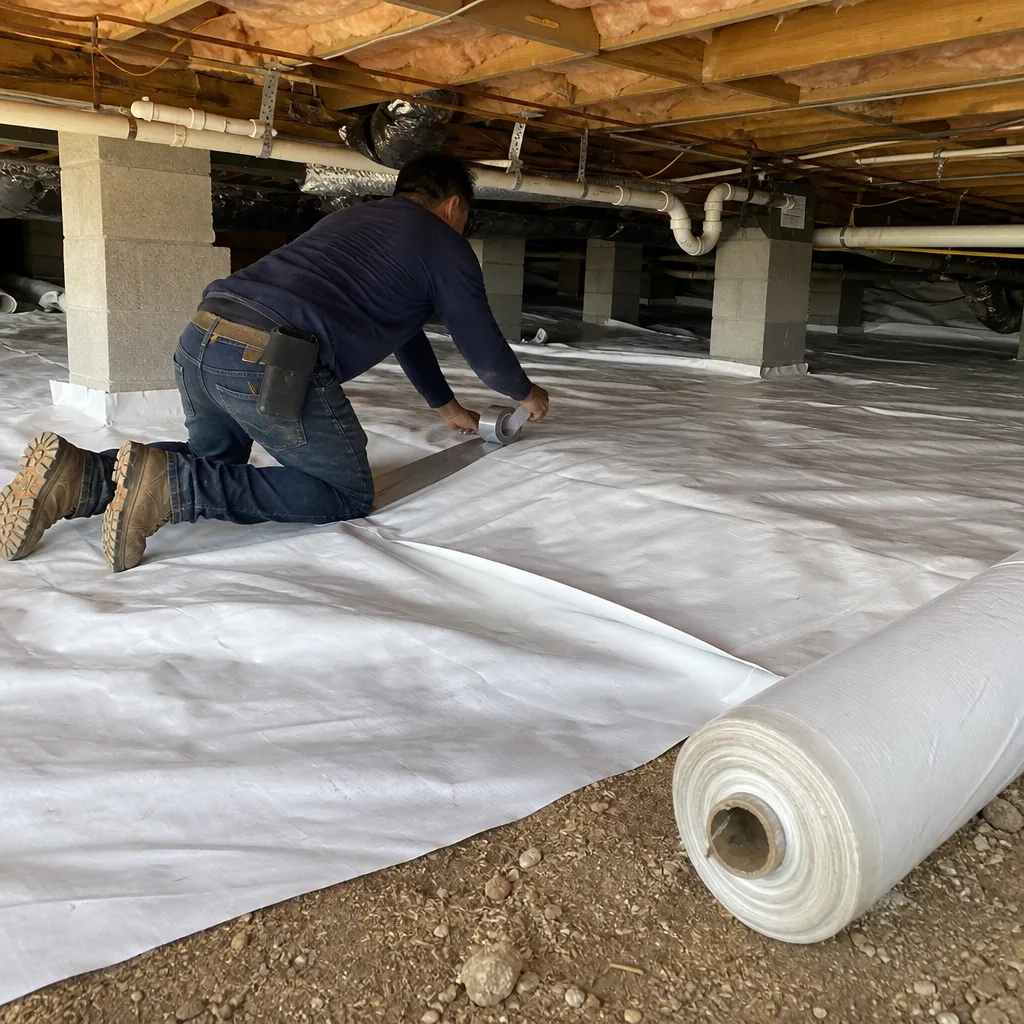
Cedar Park’s geography and housing stock create a specific set of conditions that push prices in predictable directions. Here’s what actually moves the number:
- Crawl space square footage and clearance height. A 1,400-square-foot crawl space with 30 inches of clearance is a manageable job. The same square footage with 16 inches of clearance costs more – every bit of material has to go in at an awkward angle, and labor hours climb. Many homes in Cedar Park’s Buttercup Creek and Lakeline Ranch subdivisions have lower-clearance crawl spaces built in the late 1990s and early 2000s.
- Current moisture and mold conditions. Cedar Park’s clay-heavy soil holds groundwater longer than sandy soil does, which creates persistent sub-slab humidity. If there’s active standing water, efflorescence on block piers, or visible mold on floor joists when we arrive, that has to be addressed before any liner goes down. Skipping that step guarantees the liner will fail early.
- Access points and site conditions. A single standard-size access door is manageable. A crawl space accessed through a narrow interior closet or with ductwork running at knee height throughout adds labor time and may require partial duct repositioning to complete the job properly.
- Liner thickness and material grade. A 6-mil polyethylene sheet is the minimum code allows in Texas, but it tears easily during installation and doesn’t hold up to foot traffic during future HVAC service visits. A 12-mil or 20-mil reinforced liner with a drainage weave costs more upfront and lasts considerably longer. We’ll tell you both prices on the same written quote so you can make the comparison.
- Wall coverage vs. floor-only installation. A true encapsulation extends the liner up the foundation walls and seals it at the top plate – turning the crawl space into a semi-conditioned space. Floor-only vapor barriers are cheaper but leave the walls as a moisture pathway. In Cedar Park’s higher-humidity months (typically April through October), wall-to-wall encapsulation outperforms floor-only barriers significantly.
- Need for mechanical ventilation or dehumidification. Some older Cedar Park homes have vented crawl spaces that were designed to “breathe out” moisture. Once you encapsulate, those vents get sealed – which is correct – but that also means the crawl space no longer has passive airflow. Depending on the home’s moisture load, a crawl space dehumidifier may be necessary to keep relative humidity in the 45-55% range. We assess this during the initial inspection and note it on the written scope before any work starts.
Cedar Park-Specific Conditions That Affect Crawl Space Moisture
One thing national pricing guides consistently miss is how local geology drives crawl space moisture problems. Cedar Park sits on a transitional zone between the Hill Country’s limestone and the Blackland Prairie’s expansive clay soils. In neighborhoods south and east of US-183A – particularly around Twin Creeks, Carriage Hills, and the older sections of Anderson Mill Road – clay content in the soil is high enough that the ground stays damp well after rain events clear. We regularly see situations in these areas where a Crawl Space Vapor Barrier installed five years ago has already started to bubble and pool along the seams because the liner wasn’t sealed to the walls and moisture was migrating in laterally, not just rising from below.
North Cedar Park – around Brushy Creek and the homes adjacent to Brushy Creek Lake Park – sees slightly different conditions: more limestone, better natural drainage, but also more foundation movement due to the soil’s shrink-swell cycle. When piers shift even slightly, they can crack previously sealed liner seams. That’s why the liner material grade and seam-taping method matter in this specific market, and why we document every seam location in the photo record so future service visits don’t start from scratch.
Cedar Park also sits within Williamson County, which follows the International Residential Code (IRC) as adopted by Texas. The IRC requires vapor retarders in crawl spaces with exposed earth, with a minimum 6-mil polyethylene or Class II vapor retarder. A full encapsulation system with sealed walls typically meets or exceeds the more stringent requirements of IRC Section R408. We document compliance as part of the job record, which matters if you sell the home.
Vapor Barrier vs. Full Encapsulation: Which One Do You Need?
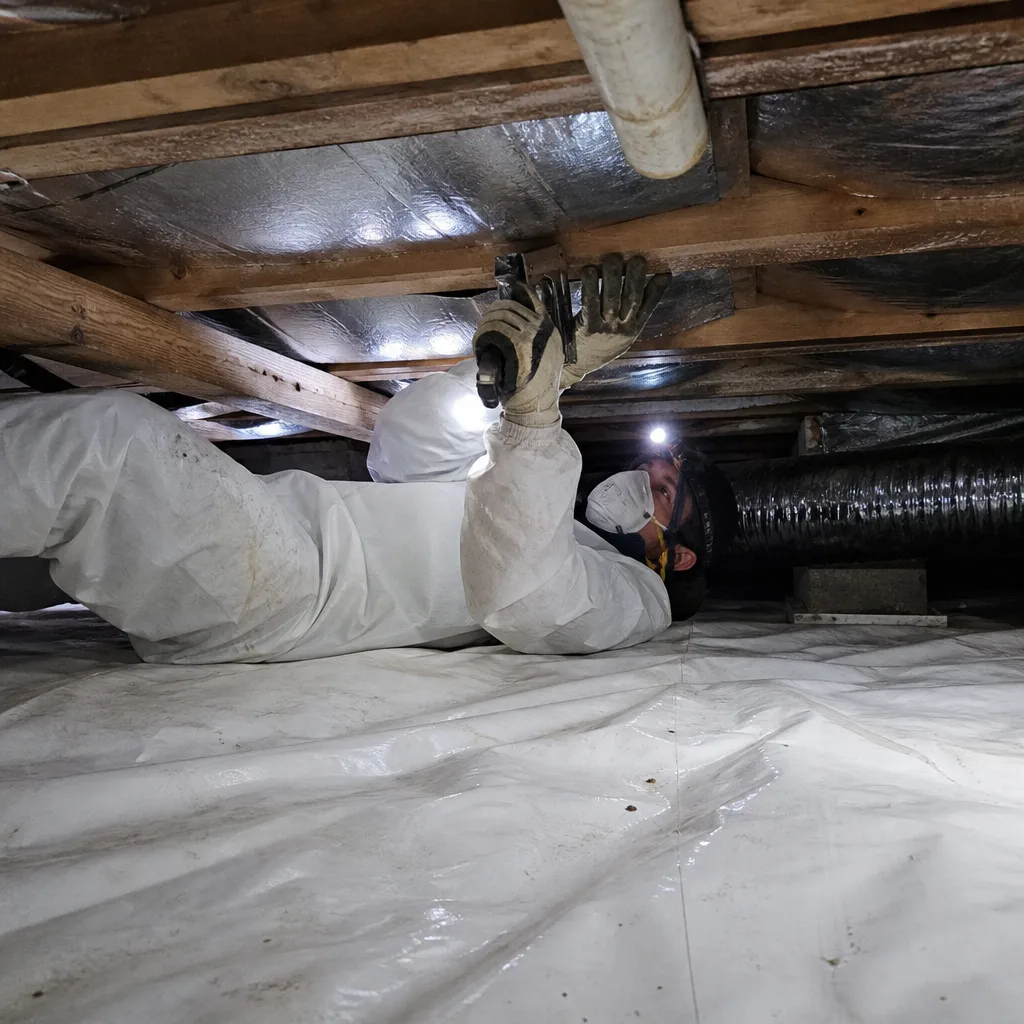
This is probably the question we get most often from Cedar Park homeowners who’ve already had one contractor quote a vapor barrier and another quote a full encapsulation at twice the price. The answer depends on a few specific conditions:
A vapor barrier is sufficient if: your crawl space is dry nearly year-round, the floor joists show no moisture damage or mold, your HVAC system and ducts are in the attic rather than the crawl space, and you have good natural drainage away from the foundation. In practice, this describes a smaller percentage of Cedar Park homes than most contractors will tell you.
Full encapsulation is the better choice if: you have ductwork or mechanical equipment in the crawl space (very common in Cedar Park’s 1990s to early 2000s ranch-style homes), if you’re seeing moisture staining on floor joists, if your hardwood floors upstairs are cupping or warping, if you notice musty smells in the living space, or if a previous vapor barrier has already failed once. Encapsulation turns the crawl space from a vented, partially conditioned space into a sealed, controlled one – and when done correctly, it stays done.
We’ll tell you which one we think applies to your specific crawl space, and we’ll document what we found with photos so you’re not taking our word for it. For more detail on how the process works in this market, the Crawl Space Encapsulation & Vapor Barrier in Cedar Park service page covers the full scope of what a properly completed job looks like.
How to Save on Crawl Space Encapsulation in Cedar Park
There are real ways to reduce the cost of this project, and there are ways that look like savings and turn into a more expensive problem two years from now. Here’s the honest breakdown:
- Get a written, itemized quote – not a ballpark. When you compare three quotes, you need to compare the same liner thickness, the same wall coverage height, and the same seam-sealing method. A quote for a 6-mil floor-only liner will always look cheaper than a quote for a 20-mil wall-to-wall encapsulation – but they’re not the same job. Under Haven Standard Clause 1, every quote we give is written and itemized before any work starts, so you can make a fair comparison. You’re welcome to bring us a competing written estimate; we’ll read it with you and explain what’s in it.
- Address moisture at the source first. If your gutters are dumping water against the foundation or your grade slopes toward the house, no liner will solve the problem permanently. Fixing drainage before encapsulation reduces the long-term moisture load and extends the liner’s life. This costs less than re-doing a failed encapsulation in four years.
- Combine projects. If you’re already planning to have HVAC ductwork serviced, attic insulation upgraded, or floor joist insulation added, scheduling those alongside encapsulation reduces the total number of trips, which reduces labor overhead. We can scope both in a single inspection visit.
- Don’t skip liner grade to save money. A 6-mil liner costs less on the material line, but it punctures during installation and during any future crawl space access (HVAC service, plumbing repairs). A 12-mil reinforced liner with a drainage layer runs more upfront and doesn’t need to be repaired or replaced after the first plumber visits. Over a 10-year horizon, the thicker liner is almost always the lower-cost option.
- Check for applicable utility rebates. Oncor and other Texas utilities have offered rebates for qualifying moisture control and energy efficiency improvements in the past. Availability changes, and we can’t guarantee any specific program at the time of your job, but it’s worth asking your utility provider before you schedule. We’ll include documentation in your job record that captures what was installed and at what spec.
To get an exact written price for your Cedar Park crawl space, call (737) 245-6428. The initial estimate is free, and you’ll receive a written scope before we ask you to decide anything.
What’s Included in a Properly Completed Encapsulation
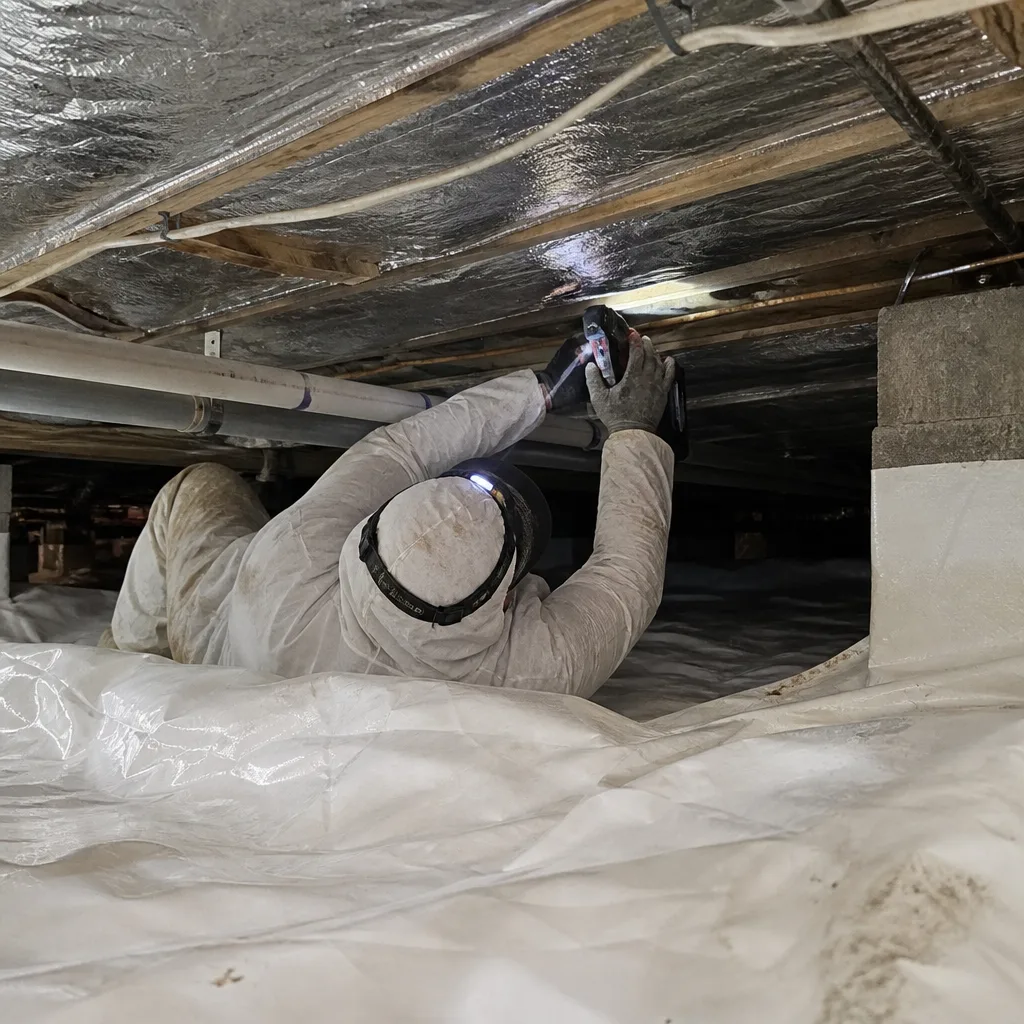
Because pricing on this project varies so much – and because some of that variation reflects genuinely different scopes rather than different profit margins – it helps to know what a complete job actually includes. When Envelope Insulation Co. completes a full encapsulation in Cedar Park, the job record documents all of the following:
- Existing debris removal and a clean substrate before liner installation
- Antimicrobial treatment applied to wood surfaces if moisture damage or mold is present
- Heavy-duty reinforced liner (thickness per written scope) installed across the full crawl space floor
- Liner extended up foundation walls and sealed at the top with approved tape and/or mechanical fasteners
- All penetrations – plumbing, electrical conduit, support pier bases – wrapped and sealed to the liner
- Seams overlapped and double-taped per manufacturer specifications
- Crawl space vents sealed (if converting to an unvented, conditioned crawl space per IRC R408.3)
- Dehumidifier installed and tested if included in scope
- Before-and-after photos of every section of the crawl space, delivered as part of the Documented Photo Record
- Written warranty covering the liner and labor
The Documented Photo Record is included on every job – not available on request. When a future HVAC technician, home inspector, or buyer’s agent wants to see what’s behind the liner or how the seams were handled, you have the documentation to show them. That’s part of what the job costs, and it’s built into the price we quote.
Crawl Space Encapsulation Cost FAQs – Cedar Park, TX
How much does crawl space encapsulation cost in Cedar Park?
Full crawl space encapsulation in Cedar Park typically costs between $3,800 and $8,500, with most standard residential jobs completing between $5,000 and $6,800. The range reflects differences in crawl space size, liner grade, wall coverage, and whether mechanical ventilation is added. A basic vapor barrier installation (floor-only, unsealed edges) runs $1,200 to $2,800 and is a different scope than a full encapsulation. Call (737) 245-6428 for a free written estimate – we’ll give you a flat price for your specific crawl space before any work starts.
Is crawl space encapsulation worth the cost in Central Texas?
For most Cedar Park homes with ductwork in the crawl space, persistent humidity, or any history of moisture-related floor damage, encapsulation pays for itself in HVAC efficiency, avoided wood repair, and moisture-related mold remediation costs. In Cedar Park’s clay-soil areas – particularly Twin Creeks, Carriage Hills, and homes south of 183A – moisture migration from the soil is a chronic condition, not a one-time event. A properly installed, sealed encapsulation addresses the source rather than the symptom. A vapor barrier without wall sealing typically needs replacement within 5 to 8 years in these conditions; a full encapsulation with a quality liner lasts considerably longer. We document the before condition with photos so you can make a factual comparison, not a feelings-based one.
How long does crawl space encapsulation take?
Most Cedar Park crawl space encapsulation jobs take 1 to 2 days for the installation crew. A small crawl space (under 900 square feet) with good access and no pre-existing mold treatment can complete in a single day. Larger crawl spaces, low-clearance access, or jobs that include dehumidifier installation and joist insulation typically run into the second day. We give you a specific timeline in the written scope before any work starts – not “one to three days depending on conditions.” You’ll know when your crew arrives and when the job closes.
Can I install a vapor barrier myself to save money?
A basic floor-only vapor barrier can be a DIY project if the crawl space is dry, accessible, and free of mold. The material cost for a 6-mil liner runs $0.05 to $0.15 per square foot at big-box retailers, so a 1,200-square-foot crawl space might cost $60 to $180 in materials. The problem is that unsealed, unfastened liners pool water under them, tear during access visits, and don’t address wall moisture pathways. For a full encapsulation with sealed walls, penetrations, and mechanical venting changes, the work is detailed enough that installation errors are common and the liner can fail in ways that aren’t visible without lifting sections. We’re not going to discourage anyone from a genuine DIY project – but if you’re seeing active moisture problems or mold, a professional inspection before you put a liner down is worth the trip.
Does crawl space encapsulation affect my home’s energy bills?
Most Cedar Park homeowners with ductwork in the crawl space see a measurable reduction in HVAC runtime after encapsulation – typically 10 to 20% in cooling season, based on what customers report and on the duct condition improvements we document. The savings are harder to isolate as a single number because they depend on how leaky the existing crawl space was and how well the ductwork was sealed. On jobs where we also air-seal ductwork or complete Crawl Space Insulation as part of the scope, the impact is larger. We don’t quote energy savings as a selling point because we can’t control your thermostat settings – but we do document what we sealed and at what spec, so you have a factual record of the work rather than a marketing promise.
What permits are required for crawl space encapsulation in Cedar Park?
Cedar Park follows the International Residential Code as adopted by the State of Texas. For a vapor barrier replacement or basic liner installation, no permit is typically required. For full encapsulation that involves sealing existing vents, altering the home’s moisture control system, or installing mechanical equipment like a dehumidifier with dedicated electrical, a permit may be required depending on the scope. We document the specific scope in the written price before any work starts, and we’ll note permit requirements as part of that document. If a permit is required, we handle the application and include the inspection process in the job timeline.
A Note on Getting This Right the First Time
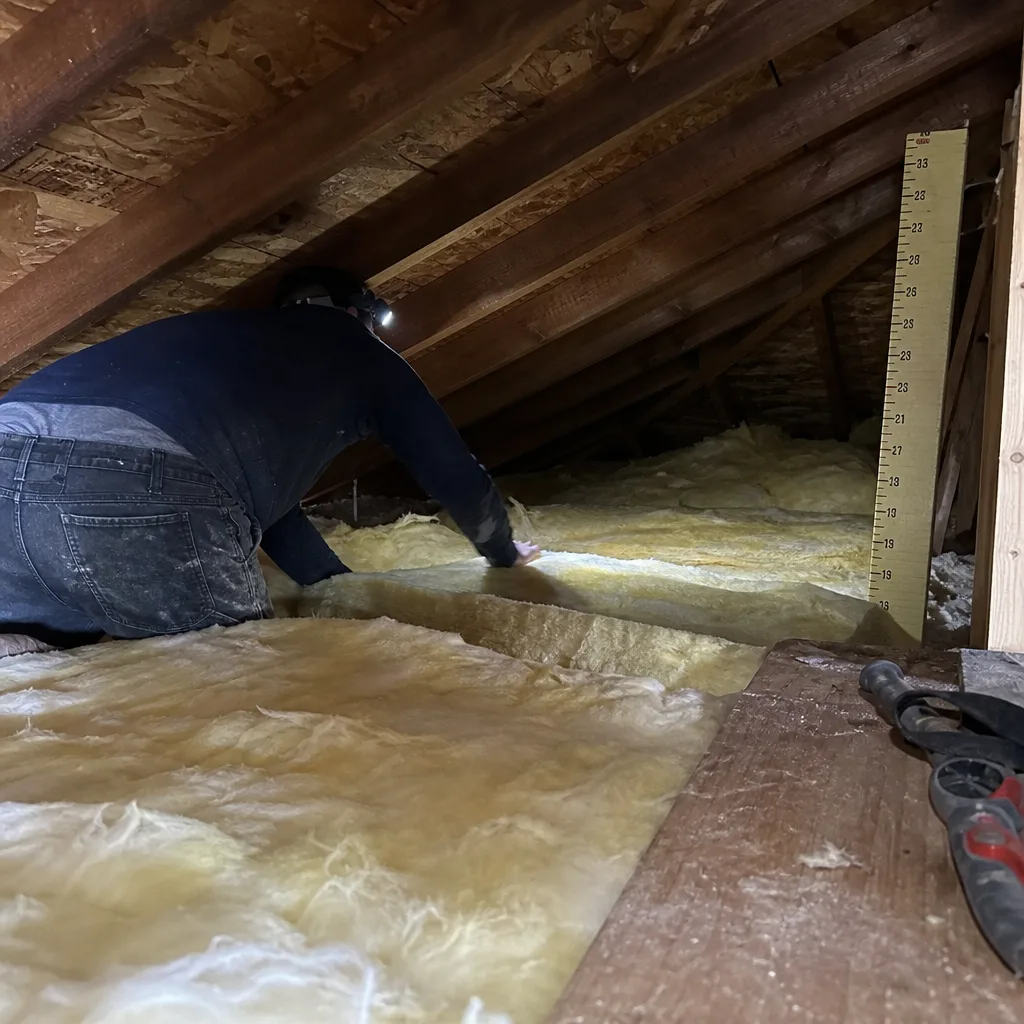
Crawl space encapsulation is one of those projects that gets done twice on homes where it got done wrong the first time. We see it regularly in Cedar Park – particularly in homes where a previous contractor installed a floor-only liner, didn’t seal the wall perimeter, and left the vents open. Two or three years later, the liner is bubbling, the floor joists show new staining, and the homeowner is looking at a second installation cost on top of the money already spent.
The way to avoid that outcome is straightforward: get a written scope that specifies liner thickness, wall coverage height, seam method, and what happens to existing vents. If a quote doesn’t specify those things, ask – and if you can’t get a written answer, that tells you something important about how the job will go.
We’ve completed work on homes across Cedar Park, from the older neighborhoods near Anderson Mill and Brushy Creek to newer builds in the Lakeline and Twin Creeks areas. The crawl space conditions vary by location, and the written scope we give you reflects what we actually found – not a templated package. For a broader look at the services that tie into building envelope performance, the home page covers the full range of what Envelope Insulation Co. handles under The Haven Standard.
If you want to compare what we’d quote against an estimate you’ve already received, bring it in. We’ll read it with you and explain what’s specified and what isn’t. That’s our Free Second Opinion offer – no appointment necessary, no obligation to book with us afterward.
Key Takeaways
- Full crawl space encapsulation in Cedar Park runs $3,800 to $8,500 for most residential jobs; the $5,000 to $6,800 range covers the most common scope.
- A basic vapor barrier (6-mil, floor-only) costs $1,200 to $2,000 but is not the same scope as a full encapsulation and doesn’t address wall moisture pathways.
- Cedar Park’s clay soil – especially in Twin Creeks, Carriage Hills, and south of 183A – creates chronic sub-slab moisture that makes liner grade and wall sealing particularly important.
- Liner thickness, wall coverage, seam method, and vent sealing are the variables that separate a durable installation from one that fails in three years. Get these in writing before any work starts.
- Permit requirements vary by scope. Vent sealing and dehumidifier electrical work may require a Williamson County permit; we document this in the written scope.
- Every job closes with a Documented Photo Record and a written warranty. The 365-Day Done Right Promise applies to all completed work.
Get a Written Price for Your Cedar Park Crawl Space
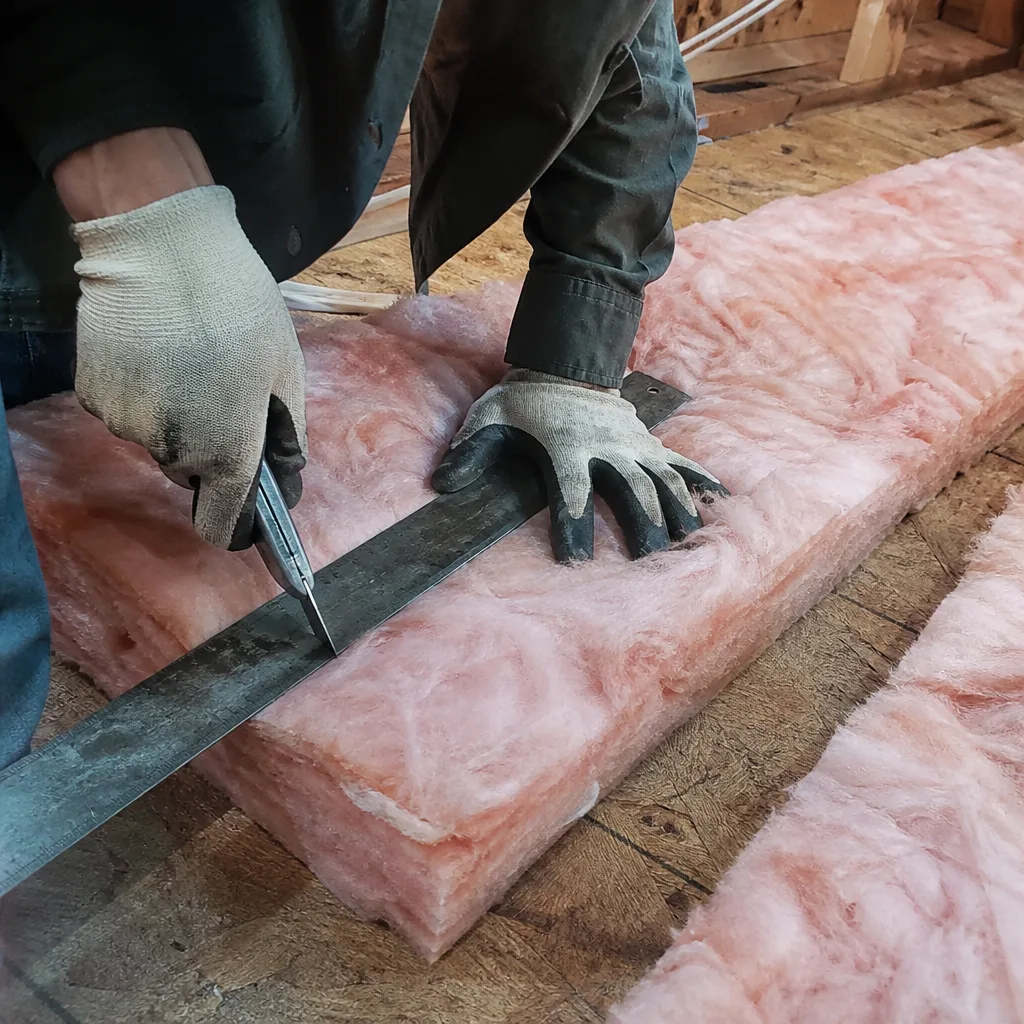
If you have questions about what your specific crawl space needs, or you want to compare a quote you’ve already received, call Envelope Insulation Co. at (737) 245-6428. The estimate is free, the price comes in writing before any work starts, and you’ll receive a Documented Photo Record when the job is done. Under The Haven Standard, that’s how every job runs – no exceptions.
Wes Okafor leads the team at Envelope Insulation Co. and has seen the full range of crawl space conditions Cedar Park homes present, from low-clearance limestone-pier foundations near the lake to high-moisture clay-soil crawl spaces in the older Anderson Mill corridor. If you want a second set of eyes on a competing estimate or a straight answer on whether your crawl space needs a vapor barrier or a full encapsulation, that call goes to a live person every time.
Pricing reflects the Cedar Park, TX market as of 2026. Topside Attic Insulation Cedar Park offers free estimates – call (737) 245-6428.
Written by Wes Okafor, Owner at Envelope Insulation Co., serving Cedar Park since 2016.
What Our Customers Say
"The winter gas bill dropped by about a third. They had estimated a quarter, so they under-promised."
- Genevieve R."Crawl space encapsulation done properly. Photographs of the vapour barrier at every seam, and the damp smell in the hallway is gone."
- Ainsley P."Fixed price, clean work, and they hauled the old material away as agreed."
- Todd M.