
Icynene Attic Insulation: The Cedar Park Owner’s Guide
Most Icynene attic insulation retrofits in Cedar Park run between $2,800 and $5,400 installed, depending on attic square footage and whether the existing foam needs partial removal before we can seal and re-insulate. We stock Icynene-compatible open-cell spray foam and the full suite of air-sealing materials on every truck, and we can usually inspect and quote same-day. Homeowners typically find us after noticing their upstairs rooms won’t stay cool in July, their energy bills have climbed 30% or more since installation, or a home inspector flagged degraded foam during a sale.
Here’s what we’ve learned running jobs across Cedar Park, from Buttercup Creek to the Ranch at Deer Creek: Icynene performs well when it’s installed over a sealed envelope, but Texas attic heat and the occasional rodent intrusion will test any foam system. We’ve pulled out Icynene that’s been cooked to a brittle sheet and others that were fine except for the unsealed can lights underneath them, bleeding conditioned air for a decade.
Which Icynene Models This Applies To
Icynene’s open-cell spray foam lines, primarily the LD-C-50 and LD-R-50 series installed in Cedar Park homes from roughly 2012 through 2020, are what we encounter most often. You can identify your foam by the Icynene lot number stamped on the original invoice or, if you have attic access, by the yellowish-cream color and the 0.5 lb/cubic foot density - lighter than the pink or gray batt insulation you’ll see nearby. The LD-C-50 was the workhorse for 2×6 rafter applications; LD-R-50 for 2×4 assemblies. Mixing them up on a retrofit is a real problem: LD-C-50 expands to 3.5 inches in a single pass and can overfill a 2×4 cavity, creating trim headaches and air gaps.
Topside Attic Insulation Cedar Park is an independent service provider, not affiliated with Icynene. We source OEM-equivalent foam from our supplier network, including Icynene-labeled material when available, and we match it to the original density and R-value rather than chasing a brand name. The aftermarket equivalent we stock is Demilec Heatlok HFO High Lift for similar open-cell applications, which carries the same R-3.7 per inch and comparable permeability. The critical spec is the aged R-value at 75°F mean temperature, not the initial spray number. Texas attics run hotter than that test condition, so we size for R-13 in a 2×4 cavity and R-21 in a 2×6, knowing the real-world performance will land slightly below sticker.
Signs Your Icynene Attic Insulation Is Failing
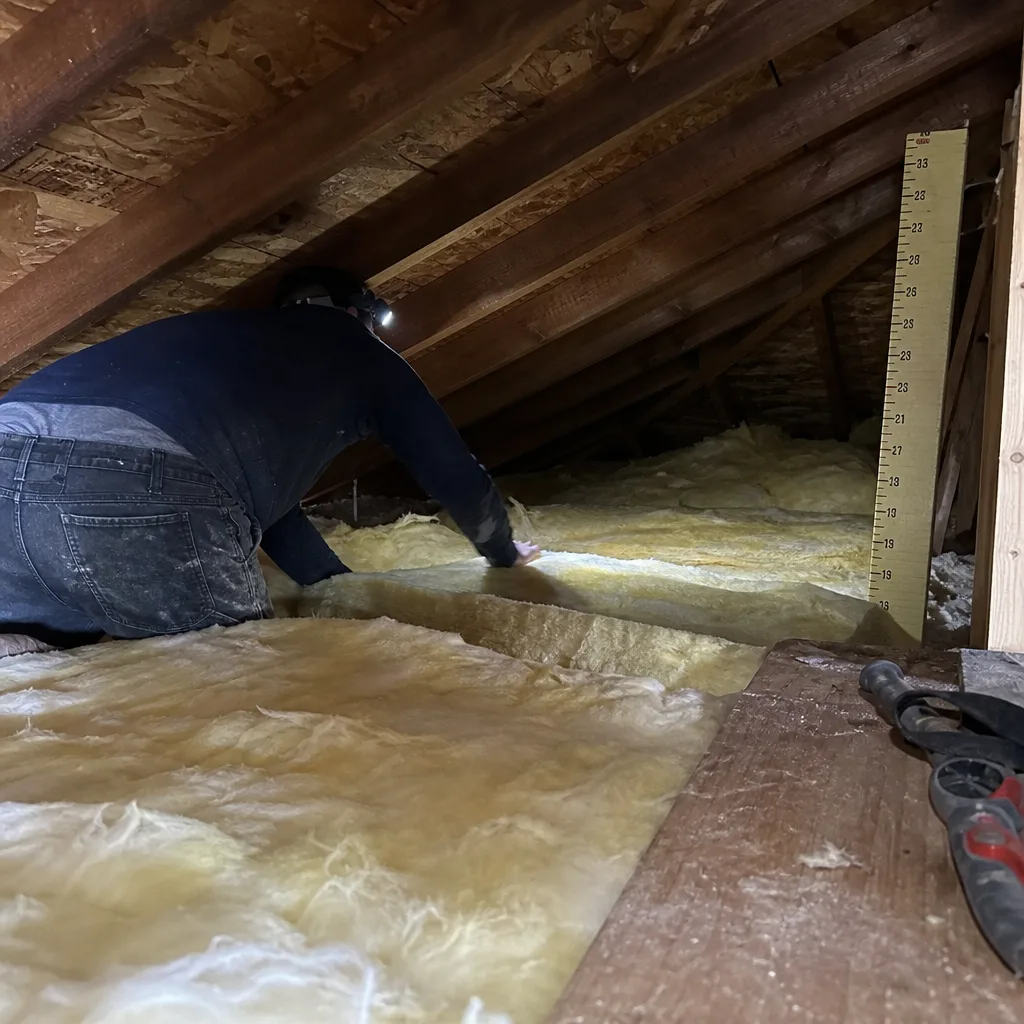
- Upstairs rooms stay hot past 10 p.m. even with the AC running. Icynene that’s cracked or pulled away from rafters loses its air-sealing function. The foam itself might still read R-19 on paper, but the convection loop around it moves hot attic air through gaps you can’t see from the hatch.
- Your July electric bill has jumped $80-$150 over prior years with no rate change. We see this in Cedar Park’s older subdivisions where original Icynene was sprayed directly over unsealed top plates. The foam ages, shrinks 2-3% annually in 140°F attics, and the air leakage path reopens.
- You find yellow dust or crumbles on the attic floor below the foam. This is UV degradation, usually from a roof leak or a bath fan dumping moist air into the cavity. Icynene is not structural; once the surface skin breaks down, the interior cell structure follows.
- Musty smell in upstairs closets or bedrooms during shoulder seasons. Open-cell foam is vapor-permeable by design, which is fine until bulk water gets in. In Cedar Park’s spring storm pattern, a single missing ridge vent baffle can saturate foam over a gable closet.
- Home inspector notes “possible inadequate insulation” or “degraded spray foam” on a report. Inspectors can’t always tell Icynene from other foams visually, but they’ll flag discoloration, shrinkage gaps larger than 1/2 inch, or areas where the foam no longer adheres to substrate.
Replacement Cost & What’s Included
For a typical Cedar Park home with 1,200-1,800 square feet of attic floor or roof deck to treat, here’s how the pricing breaks:
| Scope | Price Range |
|---|---|
| Spot repair (localized removal + re-spray, under 200 sq ft) | $1,400 - $2,200 |
| Partial retrofit (one zone, e.g., master wing, 400-600 sq ft) | $2,800 - $4,100 |
| Full attic removal and replacement (1,200+ sq ft) | $4,800 - $7,200 |
What drives the range: whether we can spray over existing Icynene or must remove it first, how many penetrations need sealing before foam goes in, and whether the roof deck is accessible from inside or requires temporary decking. Every quote from us is a flat written price with a written scope and written warranty before anyone lifts a tool - Haven Standard Clause 1. We also include a Documented Photo Record on every visit, and on applicable jobs, before-and-after blower-door readings so you can verify the air-sealing result in actual CFM50 numbers.
DIY or Call Us?
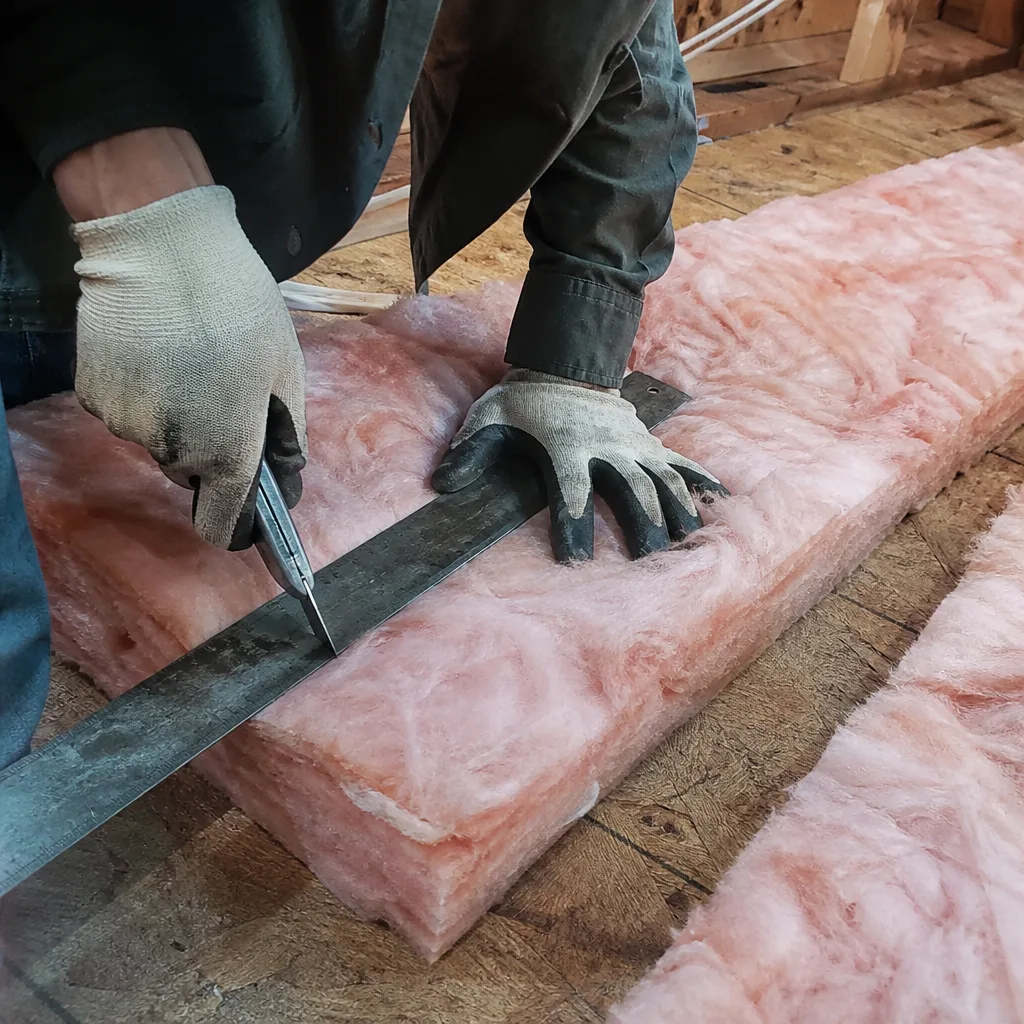
There’s no safe DIY path for spray foam removal or re-application. The two-part polyurethane chemistry requires respirator protection, ventilation engineering, and temperature-controlled substrate prep that a homeowner simply can’t replicate. We’ve found dead rodents sealed into DIY foam jobs in Cedar Park attics; we’ve also seen homeowners try to cut out degraded sections with a drywall saw and create unsealed cavities that collected condensation all winter.
What you can check safely: look at your attic hatch for daylight around the frame, note any new roof stains from below, and photograph any crumbling foam for us to review. Then call (737) 245-6428. We’ll read your photos, tell you whether it’s a spot repair or a larger scope, and schedule a free inspection with a written price before any work starts.
FAQs
Properly installed Icynene in a sealed, ventilated attic should perform for 20-25 years, but in Cedar Park we’ve seen premature failure at 8-12 years when the original installer skipped top-plate sealing or when roof leaks went undetected. The 140°F peak attic temperatures in Buttercup Creek and similar subdivisions accelerate thermal cycling stress. Call (737) 245-6428 and we’ll assess whether your foam is aging normally or failing early - estimates are free.
Localized damage from a single leak or rodent nest can often be cut out and patched with new foam, provided the surrounding material is still well-adhered and the air barrier continuity can be restored. Widespread shrinkage, UV degradation, or installation over an unsealed envelope usually means full removal and starting over with sealing first. We won’t know which until we inspect - call (737) 245-6428 for a written scope.
A partial retrofit in one zone of a Cedar Park home takes one day; full attic removal and re-spray typically takes two days, plus a half-day for the blower-door verification. We don’t rush the cure time - the foam needs to off-gas before we close the attic - and we won’t leave until the post-installation test confirms the envelope is tighter than when we arrived.
We stock Icynene-compatible open-cell spray foam, Demilec Heatlok HFO equivalent, and the full air-sealing kit - caulk, foam, rigid baffles, fire-rated covers - on every truck serving Cedar Park. For OEM Icynene-labeled material specifically, we order to spec with a 48-hour lead time; most homeowners don’t need the brand stamp as long as the density, R-value, and permeability match. We also stock Reflectix radiant barrier if your roof deck needs a hybrid assembly.
Written by Wes Okafor, Owner, Topside Attic Insulation Cedar Park at Topside Attic Insulation Cedar Park, serving Cedar Park and nearby areas.