

Fast, Reliable Blown-In Insulation Across Manor
Most blown-in insulation jobs in Manor run $1,800-$4,200 depending on attic size and whether air sealing is needed first, and our crews typically reach ShadowGlen, Wildhorse Creek, and the FM 973 corridor same day we receive your call. We dispatch from our Austin office, but our technicians live and work the eastern Travis County corridor daily, so Manor isn’t a drive-out for us, it’s the route. Call (737) 245-6428 for a written price before any work starts.
Why Topside Attic Insulation Cedar Park Is Manor’s Preferred Blown-In Insulation Company
We’ve sealed and insulated over 9,000 homes since 2016, and a growing share of them sit in Manor’s post-2000 subdivisions where the problem isn’t old insulation, it’s builder-grade insulation installed wrong from day one. Manor customers find us through referrals from Pflugerville and Hutto neighbors who’ve already seen our before-and-after blower-door numbers.
Our response time to Manor averages under two hours for scheduled assessments, and we carry Owens Corning, GreenFiber, and Johns Manville materials stocked for the eastern corridor so we’re not waiting on delivery. Wes Okafor built this operation under The Haven Standard, which means every Manor homeowner gets a written price, a written scope, and a documented photo record before the crew packs up.
We know the local building patterns: ShadowGlen’s 2004-2012 phases, the newer Wildhorse Creek builds, the Invention Homes parcels going up near US 290. That familiarity means we walk in knowing what we’ll find, and we don’t waste your time rediscovering what Manor’s production builders did or didn’t do.
Our Blown-In Insulation Services in Manor
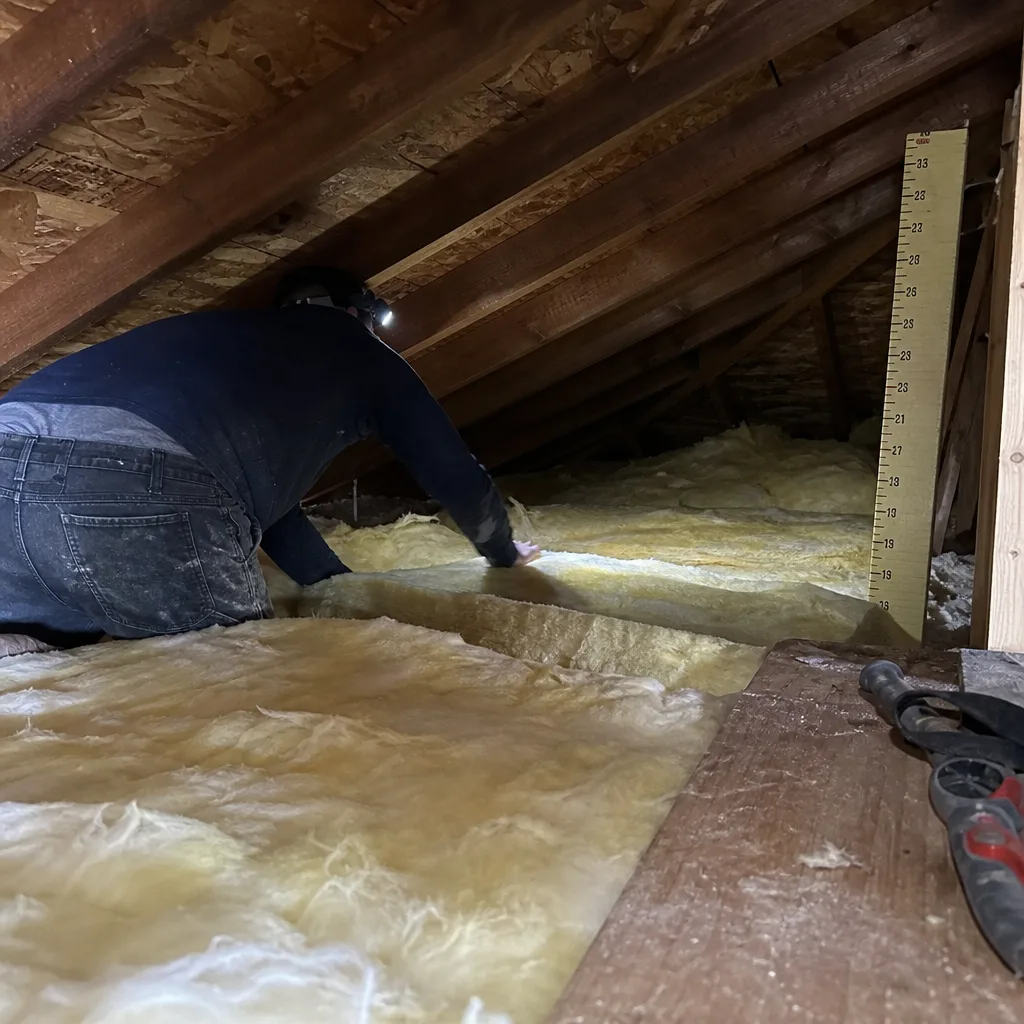
Blown-In Cellulose
We use GreenFiber cellulose for most full-coverage jobs in Manor because it packs tightly around the irregular framing and penetrations common in production-built truss attics. Cellulose handles the Blackland Prairie humidity better than fiberglass when proper vapor management is part of the scope, which it always is on our jobs. In ShadowGlen and similar subdivisions, we routinely see 2006-2014 homes where R-30 batts were laid over unsealed top plates; we pull those batts, seal the plates with Owens Corning foam, then blow cellulose to R-49. The homeowner receives before-and-after blower-door readings and a photo record showing every sealed penetration.
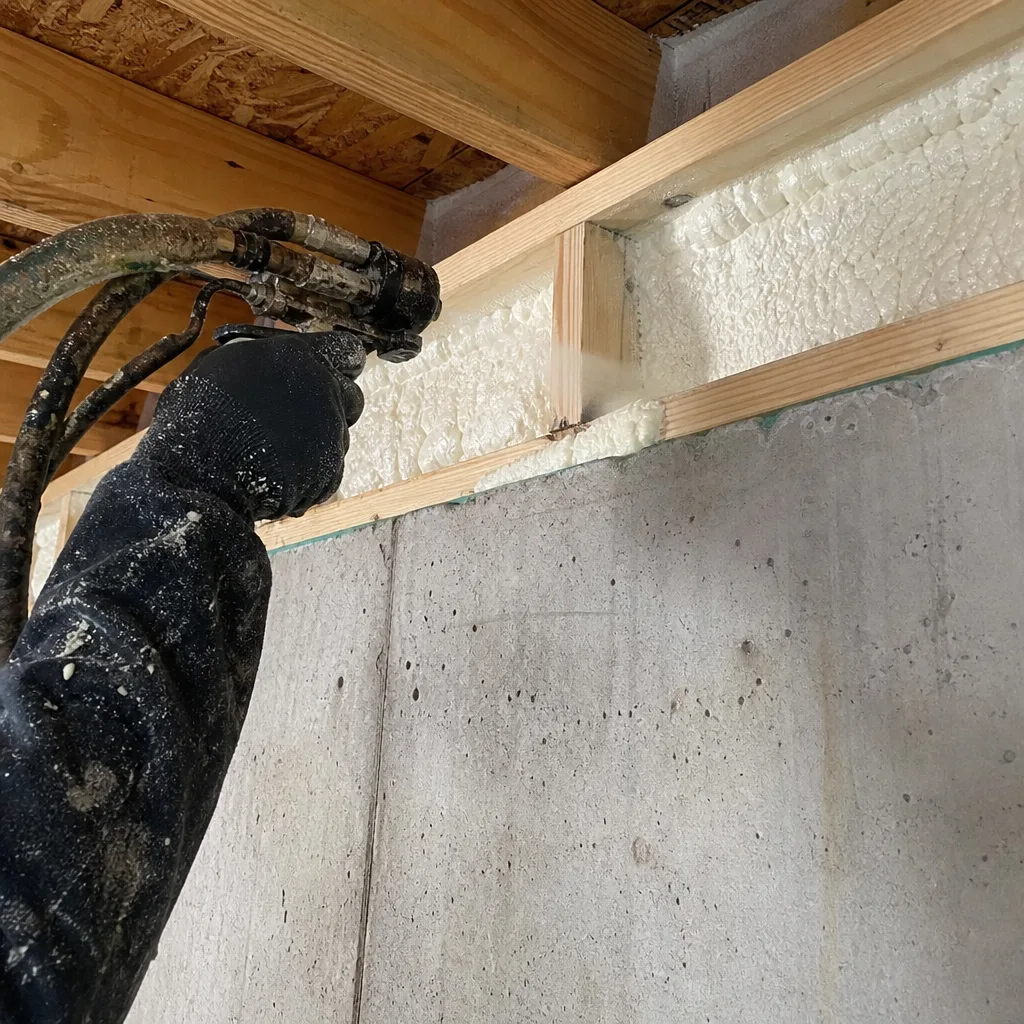
Blown-In Fiberglass
Johns Manville fiberglass works well for Manor homeowners who need a top-up over existing batts that are still in reasonable shape, or for attics with adequate air sealing already completed. Fiberglass doesn’t settle as aggressively as cellulose, which matters in low-slope tract attics where clearance is already tight. We don’t blow fiberglass over unsealed air leaks, though. That’s not a product choice, it’s a sequencing rule: sealed first, then insulated. Our Blown-In Insulation team will tell you straight if your attic is ready for a top-up or if the air sealing has to happen first.
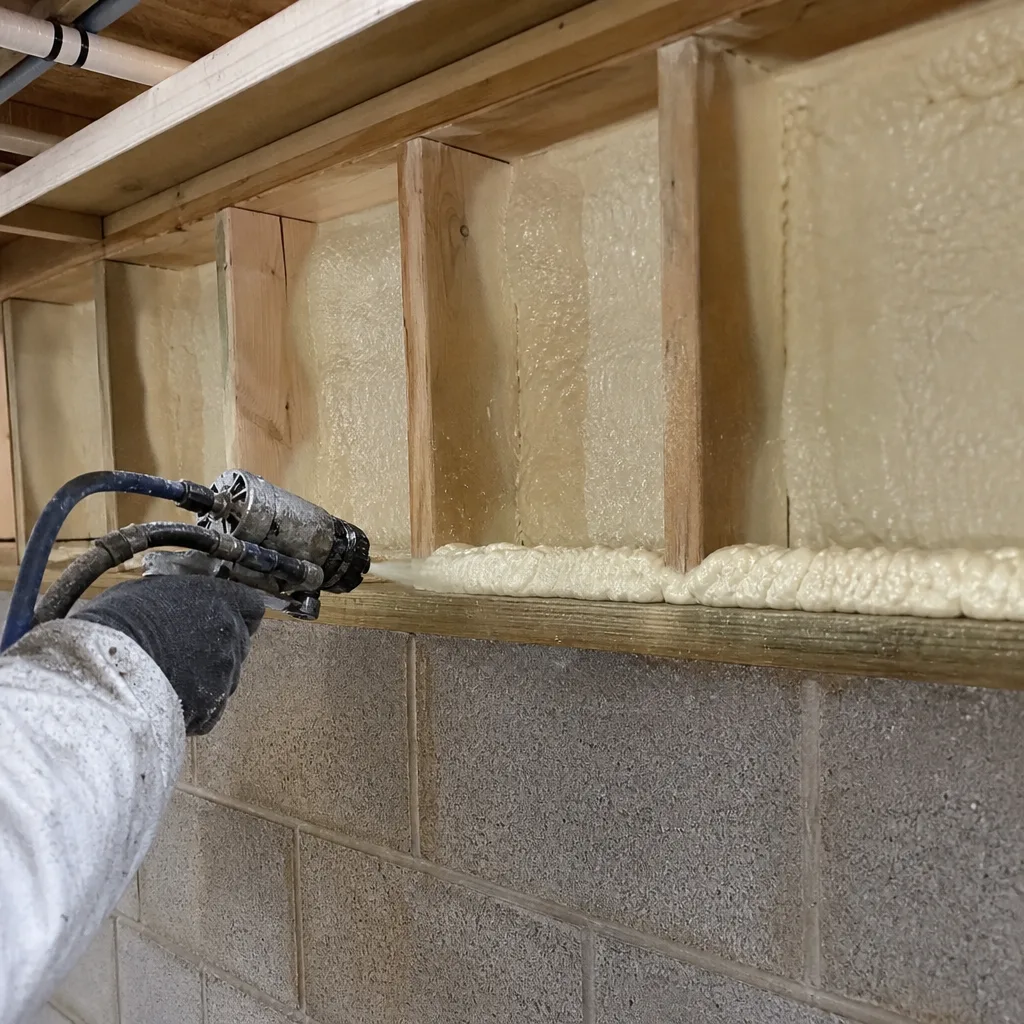
Dense-Pack Wall Insulation
Manor’s production builders rarely insulated exterior walls to anything beyond code minimum, and many 2000s-era homes have empty wall cavities or poorly fitted batts that leave thermal bypasses. Dense-packing with GreenFiber cellulose fills those cavities completely, including around electrical boxes and plumbing penetrations that batt installers typically compress or skip. The Blackland Prairie’s higher humidity relative to Austin’s western suburbs makes vapor drive a real concern here, so our dense-pack scopes include vapor-smart detailing that quick retrofits ignore. We dense-packed a ShadowGlen two-story last March where the east-facing master wall had never been insulated; the room had run 6-8 degrees warmer than the thermostat setpoint every summer afternoon.
Blown-In Top-Up
Top-ups are common in Manor because so many homes started with R-30 and the Texas Energy Code now recognizes R-38 to R-49 as appropriate for this climate zone. But a top-up only works if the existing insulation isn’t covering active air leaks. Our crew was out in ShadowGlen on a 2007 two-story where the upstairs never dropped below 80°F; we pulled the builder-grade batts aside, air-sealed the top plates and can-light cans with Owens Corning foam, then dense-packed the low-slope kneewall cavity and topped the flat attic to R-49 with GreenFiber cellulose. The homeowner’s July cooling runtime dropped noticeably, and the previously hot primary bedroom held setpoint through the afternoon. A top-up without that prep would have buried the leaks under fresh material and left the problem running.
What happens when you call
- 1
A real person answersNo phone trees - you reach a local pro.
- 2
You get an upfront price rangeHonest numbers before anyone is dispatched.
- 3
A background-checked tech heads outLicensed & insured, dispatched right away.
- 4
You approve before work beginsNothing starts until you say go.
Trusted Brands We Service in Manor
We source materials from Owens Corning, Johns Manville, GreenFiber, Knauf, and other major manufacturers, with no proprietary lock-in that limits what’s right for your home. For Manor’s eastern corridor, we keep GreenFiber cellulose and Owens Corning fiberglass in regional stock so turnaround stays short. If your job calls for a specific product, we’ll source it and show you the data sheet before it goes in. Every bag is documented in your photo record.
Common Blown-In Insulation Problems We See in Manor Homes
- Code-minimum R-30 batts laid over unsealed top plates and can lights in ShadowGlen-era tract homes. The insulation blankets air channels instead of closing them, so conditioned air leaks straight into a 150-160°F attic. The homeowner pays to cool air that never reaches the living space.
- Low-slope tract-home attic geometry compresses top-ups at the eaves. Many Manor homes have only 18-24 inches of clearance where the roof meets the wall. A crew that blows without raking leaves dense, heat-conducting patches that lose R-value and can create moisture traps.
- Builder-grade dense-pack retrofits that ignore Blackland Prairie humidity. Vapor drive through walls gets real when outside air hits 100°F and indoor cooling holds 72°F. Quick wall-fill jobs without vapor-smart detailing risk cavity moisture that doesn’t show until the drywall fails.
- Assumption that “newer home” means “already efficient.” Manor’s 2005-2015 production builds were constructed to minimum code during rapid absorption of Austin’s population spillover. The insulation was present, not performance-grade.
Pricing for Blown-In Insulation in Manor, TX
A typical blown-in cellulose job for a 1,800-2,400 square foot Manor tract home runs $2,400-$3,800 including air sealing of top plates, can lights, and accessible penetrations. Blown-in fiberglass top-ups over existing sealed insulation range $1,800-$2,800. Dense-pack wall insulation for a full two-story home runs $3,200-$5,400 depending on cavity count and access method.
What moves the number: attic square footage, current insulation condition, whether we’re removing existing material first, and how many penetrations need sealing. Homes in ShadowGlen and Wildhorse Creek often need more air-sealing prep than owners expect because of the builder-era shortcuts. We don’t guess at this. Every estimate includes a blower-door test so you see the leakage number before we write the price. Call (737) 245-6428 for a written estimate, estimates are free, and we offer a Free Second Opinion on any competing written quote you’ve already received.
We Also Serve Cities Near Manor
Our crews work the full eastern Travis and northern Williamson County corridor daily. If you’re in Manor or nearby Pflugerville, Hutto, Austin, or Round Rock, the same response standards and written pricing apply. Dispatch and scheduling are coordinated from our Austin office, but the technicians serving your area are local to this route.
Serving Manor, TX - Our Local Coverage Area
We’re based in the Manor area and know this community well. Use the map below to see our service coverage - if you’re nearby, we can almost certainly help.
FAQs - Blown-In Insulation in Manor
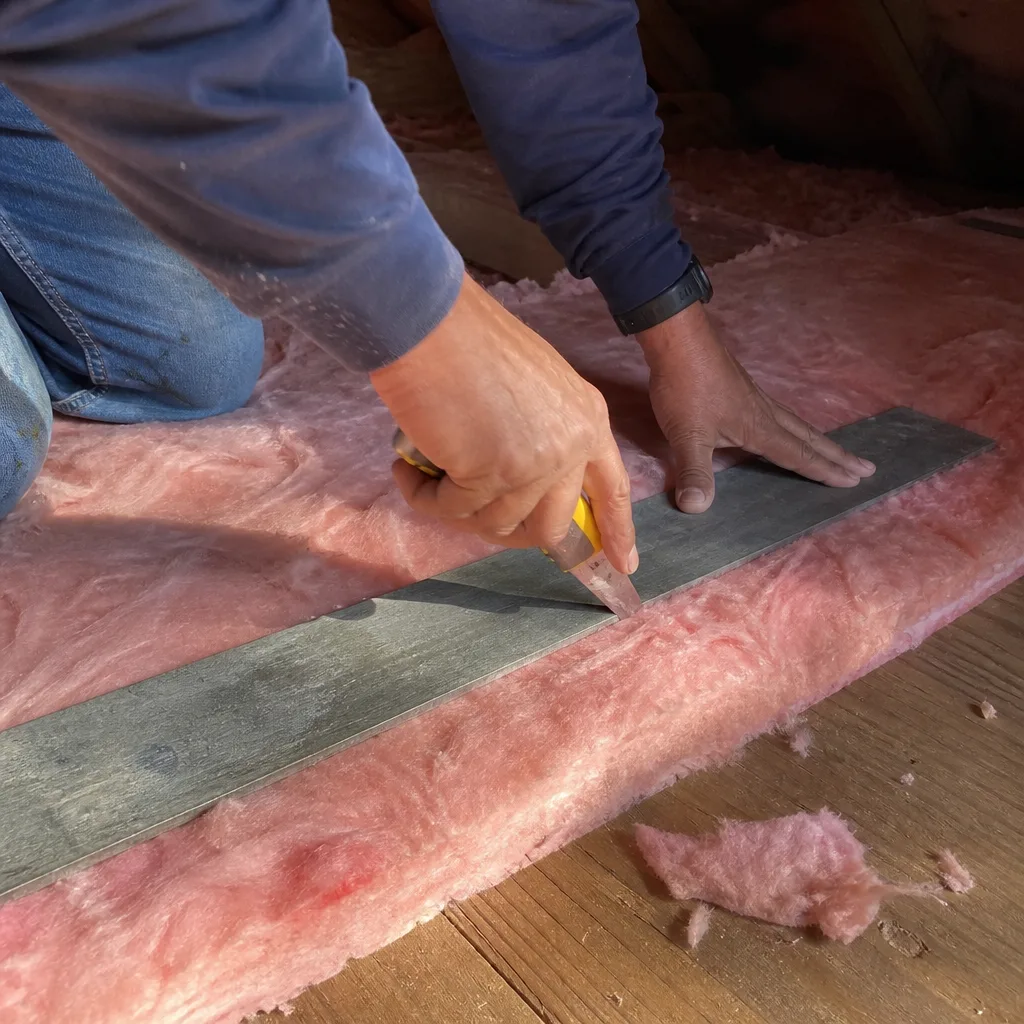
Production builders in ShadowGlen and comparable Manor subdivisions installed R-30 batts over unsealed top plates, recessed can lights, and HVAC drop soffits, so the insulation sits on top of active air leaks rather than sealing them. Your attic has material, but that material is bridging air channels that carry conditioned air straight into 150-160°F attic space every summer afternoon. We see this in nearly every ShadowGlen home we assess. Call (737) 245-6428 for a blower-door test and written estimate.
We remove them if they’re covering air leaks that need sealing first, which is common in Manor’s 2000s-era builds. If the batts are clean, reasonably placed, and the attic has already been properly air-sealed, we can blow over them after raking to even depth. Our crew inspects and documents the condition before writing the scope. You get photos either way.
Yes. The Blackland Prairie’s higher humidity means vapor management is part of every dense-pack and spray-foam scope we run in Manor, not an afterthought. We select products and detail interfaces to handle vapor drive that west-side suburbs at higher elevation don’t see as severely. The thermal solution is only half right if moisture isn’t controlled.
We can, but it requires raking and depth management, not just blowing until the hopper runs empty. Many Manor homes have 18-24 inches of clearance at the eaves; compressed insulation loses R-value and can create thermal bridging. Our crews rake to uniform depth and verify with probe measurements. The photo record shows the result.
The post-2000 production build pattern in Manor means we usually find intact but underperforming insulation with significant air-leakage underneath. That combination favors cellulose for full replacements because it packs around irregular framing and seals small gaps as it settles, and fiberglass for clean top-ups where air sealing is already complete. The specific recommendation comes after we see your attic, measure the leakage, and write the scope. Call (737) 245-6428 to schedule the assessment.
Written by Wes Okafor, Owner at Topside Attic Insulation Cedar Park, serving Manor and the eastern Travis County corridor since 2016.