
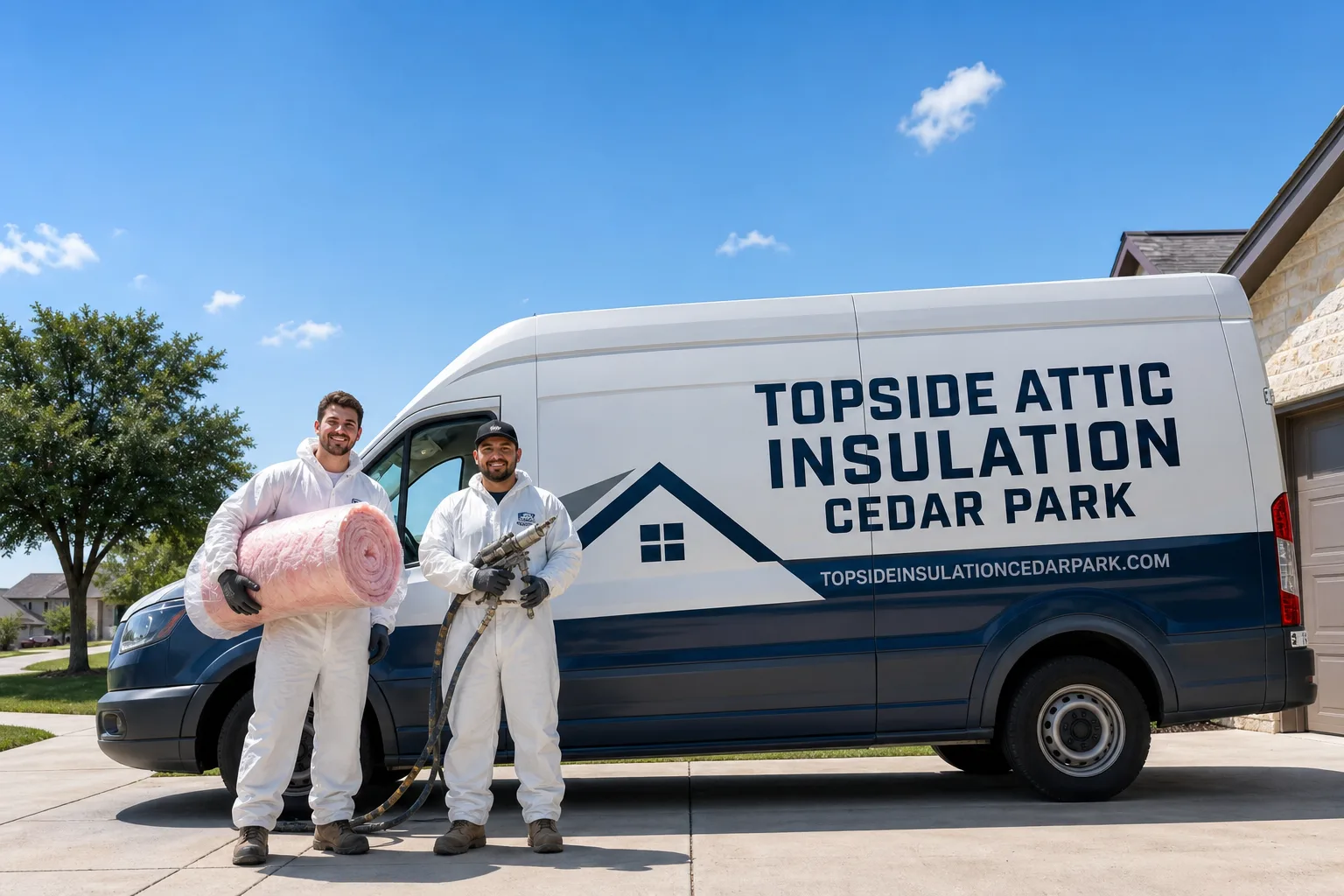
How Much Does Attic Cleaning & Rodent Proofing Cost in Cedar Park?
Attic Cleaning & Rodent Proofing in Cedar Park, TX typically runs between $1,200 and $4,800 for a standard single-story home, with most jobs landing around $2,000-$2,800 once contaminated insulation is removed, the attic is sanitized, and entry points are sealed. Homes with heavier rodent activity, blown-in insulation that needs full replacement, or larger footprints push toward the upper end of that range. The single biggest cost driver in Cedar Park is almost always the insulation removal – not the exclusion work itself.
Attic Cleaning & Rodent Proofing Cost Breakdown (2026)
Cedar Park sits in a climate zone that sees enough attic heat in summer to push rodents toward the conditioned envelope of the home, and enough mild winters to keep them breeding year-round. That means most attic problems here aren’t a one-season event – they compound. The table below reflects what Topside Attic Insulation Cedar Park sees on actual jobs in the Cedar Park market in 2026, not national averages from a content farm.
| Service Component | Typical Cost Range (Cedar Park, TX) | Notes |
|---|---|---|
| Attic Inspection & Assessment | Free – $150 | Many contractors offer free estimates; written scope before any work starts is standard under Haven Standard Clause 1 |
| Contaminated Insulation Removal (partial) | $400 – $900 | Spot removal of heavily soiled sections; common in smaller infestations caught early |
| Full Insulation Removal (whole attic) | $1,000 – $2,200 | Required when rodent feces, urine, and nesting material are spread through the attic floor; priced by square footage |
| Attic Sanitization & Deodorizing | $300 – $700 | Fogging and surface treatment to address pathogens left behind by rodents |
| Rodent Exclusion (sealing entry points) | $350 – $900 | Galvanized mesh, hardware cloth, and foam at soffits, vents, pipe penetrations, and top plates |
| Rodent Trapping / Live Removal | $150 – $450 | When active infestation is present; often paired with exclusion |
| New Blown-In Insulation (after removal) | $900 – $2,200 | Depends on attic square footage and target R-value; Cedar Park homes typically need R-38 to R-49 per current energy code |
| Attic Air Sealing (top plates, can lights, penetrations) | $400 – $950 | Strongly recommended before new insulation goes in – sealing air leaks before insulating is the correct sequence |
| Full-Service Package (removal + sanitize + exclude + re-insulate) | $2,400 – $4,800 | Most common complete job scope for a 1,500-2,500 sq ft Cedar Park home |
The numbers above assume a single-story home in the 1,500-2,500 sq ft range – which covers a large share of the housing stock in neighborhoods like Buttercup Creek, Forest Oaks, and Twin Creeks. Two-story homes with complex rooflines, or older ranch-style homes in areas like Riviera Springs where soffit construction makes access harder, typically add $300-$600 to the base exclusion work alone.
One number that surprises many Cedar Park homeowners: the insulation replacement often costs more than the cleaning and exclusion combined. That’s not a bait-and-switch – it’s the correct sequence. You cannot effectively sanitize an attic and then leave the rodent highway open. And you cannot install new insulation over an attic floor riddled with nesting channels and feces without creating a long-term air quality problem. The work has to happen in order: remove, clean, seal, then insulate.
At Envelope Insulation Co., operating as Topside Attic Insulation Cedar Park, every job begins with a written price before any work starts – that is Haven Standard Clause 1, and it applies to attic cleaning and rodent proofing the same as it does to a spray foam job. You’ll have the flat price, the written scope, and the written warranty in hand before a crew member opens the attic hatch.
What Affects Attic Cleaning & Rodent Proofing Pricing in Cedar Park
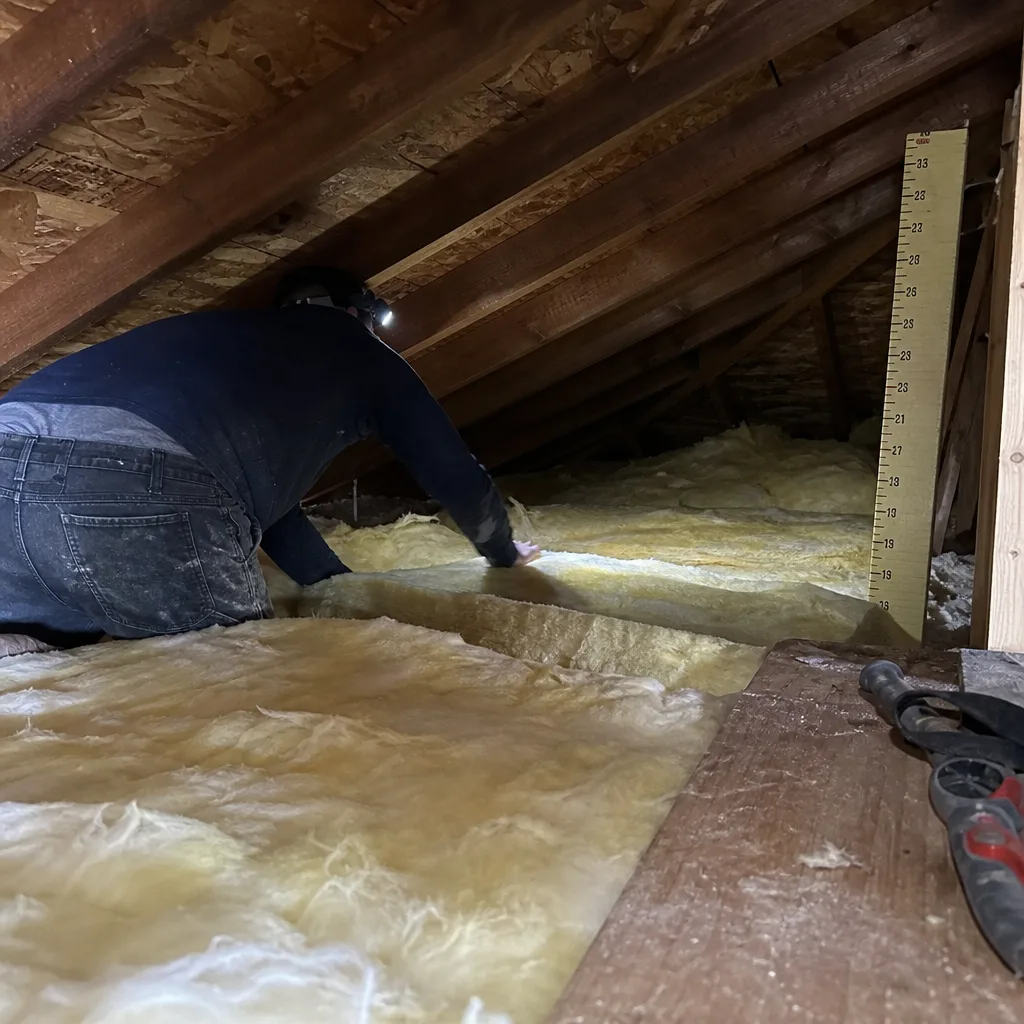
Pricing for this work isn’t arbitrary – it tracks a handful of concrete variables that a technician can usually assess during a first visit. Here’s what moves the number in Cedar Park specifically.
- Attic square footage and access: Most Cedar Park homes built between 1995 and 2015 have attic access through a single pull-down stair in a hallway. That’s a manageable setup. Homes in older sections near Cedar Park Road with smaller, offset hatches slow down vacuum hose runs for insulation removal and add labor time. Larger footprints – 2,500 sq ft and up – simply mean more material to haul out and more linear footage of top plate to seal.
- Severity and duration of the infestation: A roof rat that found its way in through a soffit gap three months ago and a colony that has been nesting in blown cellulose for two years are not the same job. Multi-year infestations in Cedar Park homes often involve nesting material packed into the insulation layers, feces distributed through the full attic floor, and secondary damage to ductwork and electrical wiring. That scope can push a job from $1,800 into the $4,000+ range. Early detection saves money – and the difference usually shows up in the insulation.
- Type of existing insulation: Blown cellulose absorbs rodent urine deeply and is almost always a full-removal scenario when contamination is found. Batts in older Cedar Park homes sometimes allow selective removal of the worst sections if the infestation was caught quickly. Spray foam on the attic floor (less common here, but we see it in some custom builds in the 183A corridor) complicates removal significantly and adds cost.
- Number and complexity of entry points: Cedar Park’s housing stock leans heavily on brick veneer with open soffit returns – a construction style that leaves more rodent entry opportunities than a fully sealed box. One clean gap at a plumbing penetration is a different job than a home with compromised ridge venting, three open pipe boots on the roof, and cracked soffit panels. Each point needs to be physically blocked with galvanized mesh or hardware cloth – not foam alone, which rodents chew through.
- Ductwork condition: Rodents in Cedar Park attics frequently damage flex duct – they use the outer insulation wrap for nesting. If duct repairs or replacements are needed, those are priced separately. We flag any damage in the documented photo record so you have a full picture of what we found, not just what we fixed.
- Air sealing scope: If you’re having new insulation installed after the clean-out, the attic air sealing – sealing top plates, recessed lights, and any penetrations before insulation goes back in – is work that should happen in the same visit. It adds $400-$950 to the project but changes what you actually get: insulation that performs at its rated R-value rather than insulation sitting on top of an unsealed building envelope. We won’t blow new insulation over an unsealed attic floor. That’s not an upsell; it’s the correct sequence.
Cedar Park-Specific Factors That Influence Attic Rodent Activity
Cedar Park’s position at the edge of the Hill Country means the local rodent pressure is a bit different from what you’d find in, say, a densely developed part of Austin or Round Rock. The western sections of Cedar Park – areas backing up to the Balcones Canyonlands and the creek corridors feeding Lake Travis – see heavier roof rat and squirrel activity than the more urbanized eastern side near US-183. Homes in Twin Creeks and Rutledge on the western edge regularly deal with roof rat entry through the canopy overhang. Rodents use tree limbs as bridges to rooflines, and Cedar Park’s oak and cedar tree coverage makes trimming branches a meaningful preventive step – one that costs nothing compared to an insulation replacement.
The summer heat also matters. Cedar Park attic temperatures regularly hit 140-150°F in July and August. That pushes rodents to the edges of the attic near the soffits – which is exactly where the primary entry points are. By the time a homeowner notices signs (droppings in the living space, scratching sounds at night), the population has usually been established for at least one season. Getting an attic inspection in late spring, before temperatures peak, catches problems earlier when the job scope is smaller and the cost is lower.
How to Save on Attic Cleaning & Rodent Proofing
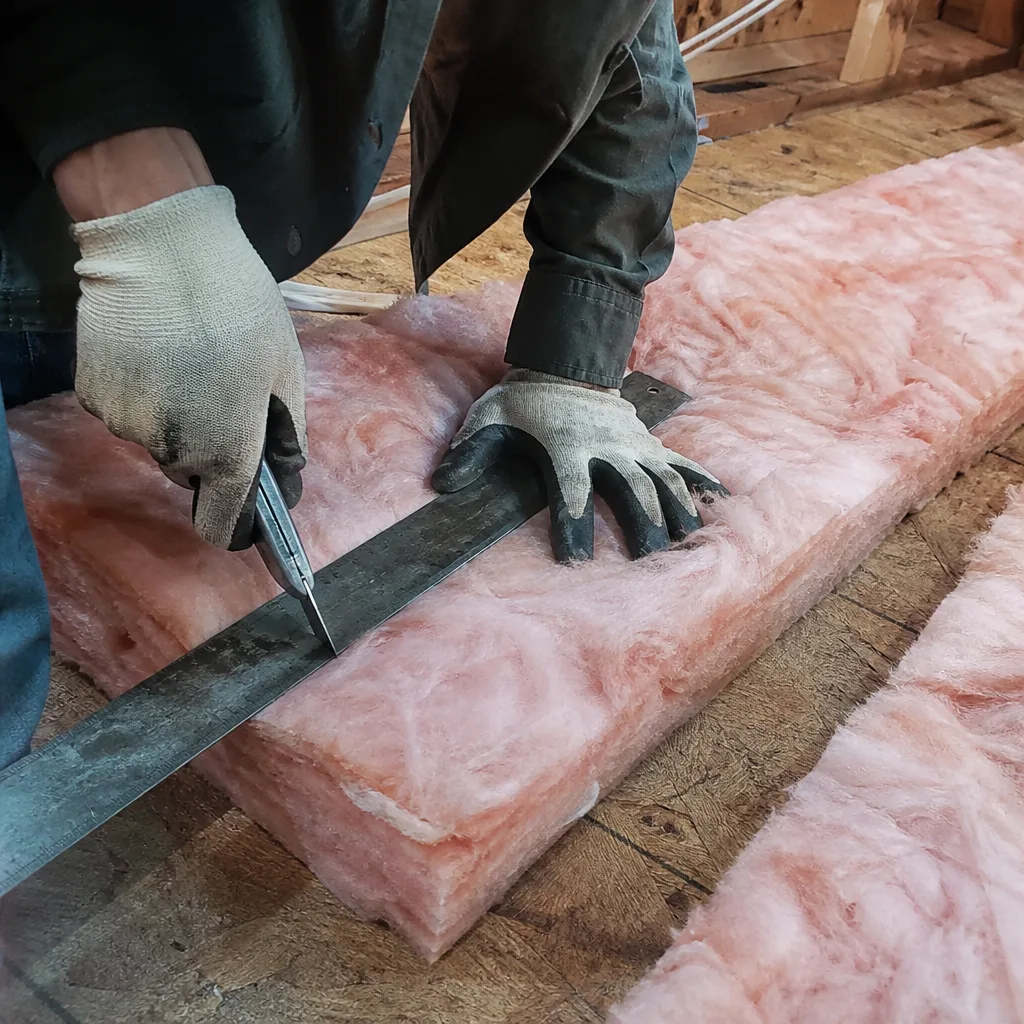
There are real ways to reduce what you spend on this work in Cedar Park, and then there are false economies that cost more later. Here’s the difference.
- Act on early signs: Scratching sounds in the ceiling, a faint ammonia smell near an attic hatch, or small droppings in the garage are early indicators. At that stage, you might be looking at a $350-$700 exclusion job and spot cleaning. Wait until the smell is persistent or you can hear movement during daylight hours and you’re likely looking at full insulation removal.
- Bundle the work correctly: If you need contaminated insulation removed, do the air sealing and re-insulation in the same mobilization. Running a crew to your home once is always cheaper than twice. A job that combines removal, sanitization, exclusion, air sealing, and re-insulation in one scheduled visit saves overhead and typically reduces total cost by $300-$600 compared to separate visits.
- Get a written second opinion: Attic cleaning and rodent proofing is a category with wide price variance among Cedar Park contractors. Some quotes are low because they skip sanitization or use foam plugs instead of galvanized exclusion hardware. Others are high without a clear written scope explaining why. We offer a free second opinion on any written estimate – bring us the competing quote and we’ll read it with you, line by line, and tell you exactly what it does and doesn’t include. There’s no obligation to hire us for doing that.
- Don’t skip the exclusion: The cheapest attic cleaning job in Cedar Park is one where a contractor removes the insulation and sanitizes the attic but doesn’t seal the entry points. Rodents return within weeks. You’ve paid for removal and cleaning and now you need to do it again. Exclusion is the work that makes the cleaning permanent.
- Ask what the insulation replacement includes: Some quotes for re-insulation after rodent damage don’t include attic air sealing as part of the scope. New insulation installed over an unsealed attic floor performs well below its rated R-value because conditioned air bypasses it through top plate gaps and recessed light penetrations. Make sure the written scope specifies what air sealing is included before you agree to the price.
- Schedule a free estimate: You can call (737) 245-6428 for a free, no-obligation written estimate. The estimate will include a flat price, a written scope, and a written warranty – before any work is agreed to or started.
What the Work Actually Looks Like: Scope and Sequence
Part of what makes attic cleaning and rodent proofing confusing to price is that the scope varies significantly by job. Here’s the sequence we follow on a typical Cedar Park job so you know what you’re comparing when you look at two different quotes.
Step 1 – Inspection and documentation. The technician accesses the attic, photographs the existing conditions, identifies entry points, assesses insulation contamination, and checks ductwork. You get a documented photo record of what we found before we touch anything. The written price comes from that inspection – not from a price per square foot estimate over the phone.
Step 2 – Contaminated insulation removal. A commercial-grade HEPA vacuum system pulls contaminated insulation and nesting material out of the attic. Cedar Park homes with blown cellulose typically require full removal when infestation is confirmed. The material is bagged and removed from the property.
Step 3 – Sanitization. The bare attic floor is fogged and surface-treated to address the pathogens – hantavirus, leptospirosis, and other bacterial contamination – left behind by rodent waste. This step cannot be skipped and cannot be done adequately with consumer-grade products. Technicians wear appropriate respirator protection during this phase.
Step 4 – Air sealing. Before any new insulation goes in, the attic floor is air-sealed. Top plates, recessed light cans, plumbing and electrical penetrations – all of it. This is the step most contractors either skip entirely or treat as an optional add-on. We treat it as a prerequisite, because insulation installed over an unsealed envelope underperforms its rated value. On applicable jobs, we provide before-and-after blower-door readings – a pressurization measurement that shows, in a single number, how much conditioned air the home was losing before and after air sealing.
Step 5 – Rodent exclusion. Every identified entry point is physically sealed. Galvanized mesh or hardware cloth at soffit gaps and vent openings, foam and mesh at pipe penetrations, and mechanical fastening where needed. Cedar Park’s brick veneer construction often means more points to address at the soffit line than you’d find on a wood-frame home with LP siding.
Step 6 – Re-insulation. New blown-in insulation – materials sourced from Owens Corning, GreenFiber, and Johns Manville depending on the application – goes in to the specified R-value. For Cedar Park, current energy code for existing homes calls for a minimum of R-38 in the attic; most homeowners upgrading after a rodent removal target R-49 given how much of the summer cooling load is driven by attic heat gain.
Step 7 – Final documentation. Closing photos, blower-door results if applicable, and a copy of the written warranty are delivered before the crew leaves. That’s the documented record you keep. It’s not available on request later – it’s part of every job.
Attic Cleaning vs. Rodent Proofing: Do You Always Need Both?
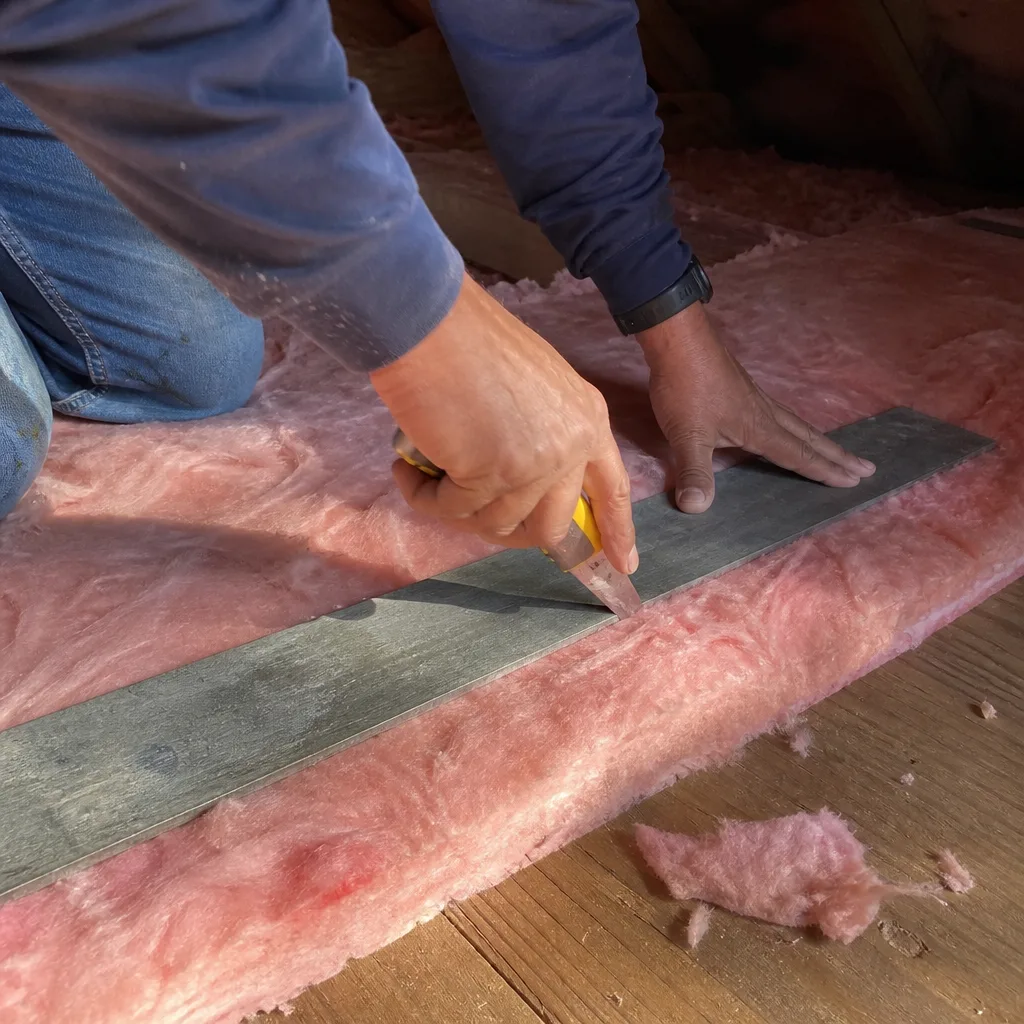
Technically, these are two separate services. Attic cleaning addresses the damage already done – removing contaminated insulation, clearing debris, and sanitizing surfaces. Rodent proofing (exclusion) addresses the source – sealing the building envelope so rodents can’t get back in.
In practice, cleaning without exclusion is money spent on a problem that recurs. Exclusion without cleaning leaves the contaminated material in place, which continues to create air quality and odor issues and can attract new rodents. Most Cedar Park homeowners end up doing both – either at the same time or in quick succession when they realize the first-only approach didn’t hold.
The exception is a very early-caught problem – a single entry point found quickly, no established nesting, no significant contamination. In that case, exclusion alone plus spot cleaning may be the right scope. The inspection tells you which situation you’re in, and the written estimate tells you exactly what’s included before you commit.
FAQs – Attic Cleaning & Rodent Proofing Cost in Cedar Park
How much does attic cleaning and rodent proofing cost in Cedar Park, TX?
Most complete jobs in Cedar Park – including contaminated insulation removal, sanitization, rodent exclusion, and re-insulation – run between $2,400 and $4,800 for a standard 1,500-2,500 sq ft home. Smaller jobs limited to exclusion and spot cleaning can come in at $700-$1,200. The inspection determines which scope applies to your home. Call (737) 245-6428 for a free written estimate with a flat price before any work begins.
Is it cheaper to just replace the insulation and skip the rodent proofing?
No – and the math is straightforward. New insulation installed without sealing entry points will be re-contaminated within one or two rodent seasons, forcing you to repeat the removal and replacement. Rodent exclusion typically adds $350-$900 to a job that might cost $2,000-$3,000 without it. Skipping exclusion means you’ll likely spend that full amount again within 18-24 months. The exclusion is what makes the cleaning a permanent fix rather than a temporary one.
Can you just sanitize without removing the insulation?
In cases of minimal contamination caught very early, targeted sanitization without full removal is sometimes appropriate. But in most Cedar Park attics where a rodent population has been established long enough for homeowners to notice it, the insulation is contaminated through most of its depth – particularly blown cellulose, which absorbs urine. Surface fogging over heavily contaminated insulation does not adequately address what’s been absorbed into the material. The inspection will tell you honestly which situation you’re in. We photograph what we find so you can see it, not just take our word for it.
How long does attic cleaning and rodent proofing take in Cedar Park?
A full-scope job – removal, sanitization, exclusion, air sealing, and re-insulation – typically takes one full day for a 1,500-2,000 sq ft home and one to two days for larger footprints. Jobs that include complex exclusion work (multiple roof penetrations, extensive soffit repairs) can extend the timeline. The written scope you receive before work starts will include the expected duration so you’re not guessing.
Does homeowner’s insurance cover attic cleaning and rodent proofing in Cedar Park?
Most standard homeowner’s policies in Texas treat rodent damage as a maintenance issue rather than a covered peril – meaning the clean-out, exclusion, and insulation replacement are typically out-of-pocket costs. There are exceptions: if a rodent infestation caused a pipe to burst or electrical wiring damage that resulted in a covered claim, the remediation associated with that claim may be partially covered. We don’t handle insurance billing, but we do provide a documented photo record and a detailed written scope that can support a claim conversation with your insurer if applicable. For an exact quote on your specific Cedar Park home, call (737) 245-6428.
Do I need to hire a pest control company separately, or does Topside handle everything?
Topside Attic Insulation Cedar Park handles the physical side of the work: contaminated insulation removal, attic sanitization, rodent exclusion (sealing every entry point), and re-insulation. If an active infestation requires trapping and live removal before exclusion can be completed, that may involve coordination with a licensed pest control operator. We’ll tell you during the inspection if that applies to your job and what the sequencing looks like. Most Cedar Park jobs don’t require a separate pest company – the exclusion work seals the home and cuts off the infestation at its source.
Key Takeaways
- Attic cleaning and rodent proofing in Cedar Park runs $1,200-$4,800 depending on scope; most full-service jobs land between $2,400 and $2,800.
- Insulation removal is usually the largest single line item – plan for $1,000-$2,200 for a full attic replacement on a standard Cedar Park home.
- Rodent exclusion ($350-$900) is what makes the cleaning permanent – skipping it means repeating the job within two years.
- Cedar Park’s soffit construction and tree canopy in western neighborhoods (Twin Creeks, Rutledge) create more entry points than the city average.
- Air sealing before re-insulation is the correct sequence – insulation installed over an unsealed attic floor performs below its rated R-value and doesn’t solve the underlying problem.
- A written price, written scope, and written warranty before any work starts is standard practice – not an exception.
- A free second opinion on any competing written estimate is available; call (737) 245-6428 to schedule.
If you’re looking for background on the full service before pricing it out, the Attic Cleaning & Rodent Proofing in Cedar Park service page covers what the work entails and why sequence matters. And for a broader picture of what Envelope Insulation Co. does across the building envelope, the home page is the right starting point.
Ready to find out exactly what your Cedar Park attic will cost to clean and seal? Call (737) 245-6428. You’ll get a free estimate with a flat price in writing – no work starts until you have the scope, the price, and the warranty in hand.
Written by Wes Okafor, Owner at Topside Attic Insulation Cedar Park (Envelope Insulation Co.), serving Cedar Park since 2016.
Pricing reflects the Cedar Park market as of 2026. Topside Attic Insulation Cedar Park offers free estimates – call (737) 245-6428.
What Our Customers Say
"Fixed price, clean work, and they hauled the old material away as agreed."
- Todd M."They photographed rodent damage in the old insulation that we had no idea about, and priced the exclusion work separately so we could decide."
- Harriet N."Turned up on time, protected the hallway, and the written scope matched what was actually done."
- Bruno S.