

How Much Does a Home Energy Audit Cost in Cedar Park?
A home energy audit in Cedar Park, TX typically runs between $250 and $650 for a standard single-family home, with most 2,000-3,500 square foot homes landing in the $300-$500 range. Larger homes, deeper diagnostic scopes (blower-door testing plus duct leakage plus infrared scanning), or older construction with complex envelope issues push that number toward the upper end. Most audits are scheduled and completed within a week, and the written report you receive at the end is what drives every insulation and air-sealing decision that follows.
Home Energy Audit Cost Breakdown in Cedar Park (2026)
Prices below reflect what Cedar Park homeowners are paying in 2026 for audits scoped to different levels of diagnostic depth. A basic visual walkthrough costs less than a full instrumented audit – and the difference in what you learn is significant.
| Audit Type | What’s Included | Typical Cost (Cedar Park, 2026) |
|---|---|---|
| Basic Visual Walkthrough | Visual inspection of attic, insulation depth, visible air gaps; no instrumentation | $100 – $200 |
| Standard Energy Audit | Blower-door test, thermal imaging pass, insulation assessment, written report | $300 – $450 |
| Comprehensive Building Envelope Audit | Blower-door, duct blaster, infrared scan, combustion safety check, full written findings with before readings | $450 – $650 |
| Large Home or Complex Construction (4,000+ sq ft) | Any of the above, scaled to size; may require extended blower-door test time | $550 – $850 |
| Utility-Sponsored or Rebate-Qualifying Audit | Conducted by approved rater; often subsidized or free through Austin Energy / Oncor programs | $0 – $150 (after rebate) |
The blower-door test – a pressurization reading that shows, in one number (CFM50), how much air your building envelope is losing – is the single most useful instrument in any audit. Without it, you’re guessing about air leakage. Cedar Park homes built between 2000 and 2015, which make up a large share of the housing stock in Lakeline, Ranch at Brushy Creek, and Twin Creeks, often test between 3,500 and 6,000 CFM50 before any sealing work. Newer construction in Anderson Mill West and Whitestone can be tighter, but radiant heat loads here mean even a relatively tight envelope can still have insulation gaps that drive summer cooling bills well above what they should be.
At Envelope Insulation Co., our Home Energy Audit in Cedar Park is scoped as a full diagnostic, not a sales visit. You get a written price before we arrive, a documented photo record when we leave, and blower-door readings – before and after any air-sealing work we later perform – so the numbers speak for themselves. Under The Haven Standard, that written price and scope are non-negotiable: no work starts without them.
What Affects Home Energy Audit Pricing in Cedar Park
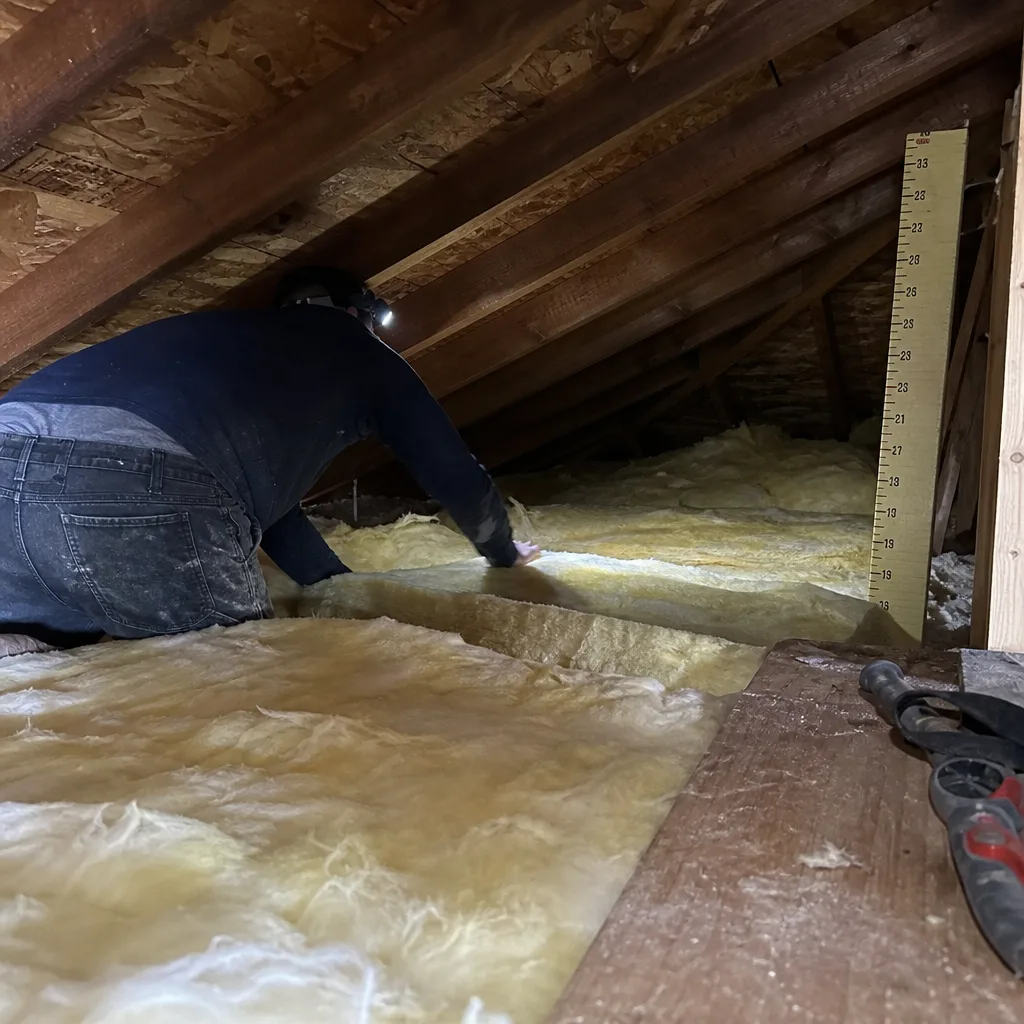
Six factors move the price up or down for Cedar Park homeowners specifically. Understanding them helps you compare quotes accurately.
- Home size: Square footage is the most direct cost driver. A 1,800 sq ft home in Buttercup Creek takes less time to pressurize, scan, and document than a 4,200 sq ft home in Cedar Park’s Twin Creeks area. Auditors factor in both conditioned floor area and attic volume – and Cedar Park’s two-story homes with large vaulted ceilings take longer to thermally scan thoroughly.
- Audit scope and instrumentation: A blower-door test alone is one line item. Add a duct blaster test (which measures how much conditioned air leaks out of ductwork before it reaches living spaces), infrared camera scanning, and a combustion safety check, and you’re looking at two to three hours of technician time with multiple instruments. Each instrument adds meaningful diagnostic value – but also adds cost.
- Age and construction type of the home: Homes built before 2005 in Cedar Park tend to have more complex envelope issues – older HVAC penetrations, knob-and-tube era wiring chases in a few pre-1980 structures near downtown, and attic bypasses that weren’t addressed under previous building codes. These take longer to document accurately, which affects audit pricing.
- Attic configuration: Cedar Park’s mix of hip roofs, low-slope sections, and finished bonus rooms above garages creates attic access challenges. An auditor who can’t safely reach and inspect all attic zones won’t give you a complete picture. Expect a small premium if your home has multiple disconnected attic sections or very low clearance at the eaves.
- Utility rebate eligibility: Homeowners served by Austin Energy may qualify for a subsidized or free audit through the Austin Energy Home Performance with ENERGY STAR program. Oncor customers in parts of Cedar Park can sometimes access separate efficiency incentives. If you haven’t checked your utility provider’s current program, that step alone can cut your out-of-pocket cost significantly.
- Whether air sealing and insulation follow the audit: Some contractors bundle a “free audit” with a minimum insulation job. Read that carefully. An audit that’s bundled with a sale isn’t independent diagnostic work – the findings will be shaped by what the contractor wants to sell you next. An audit priced separately, with a written report you own, gives you data you can act on with any contractor.
Cedar Park’s climate adds a layer of specificity worth naming. Summer attic temperatures here regularly reach 140-160°F, and the temperature delta between your attic and your living space drives both air movement and radiant heat load in ways that aren’t fully captured without instrumentation. An infrared scan done on a hot July afternoon in Cedar Park reveals things a November walkthrough in a milder climate simply won’t show.
What the Audit Actually Produces: The Documentation You Walk Away With
This part matters more than most homeowners expect before they’ve been through the process. A Home Energy Audit is only as useful as its written output. Here’s what a properly scoped audit in Cedar Park should produce:
- Blower-door reading (CFM50): Your home’s air leakage rate at 50 Pascals of pressure. This single number lets you compare your home’s tightness against similar homes, track improvement after air sealing, and prioritize where to spend money. We record this before any work and again after sealing is complete – that before-and-after pair is the only honest way to verify the work actually performed.
- Duct leakage measurement: If your ductwork runs through an unconditioned attic (common in Cedar Park homes built before 2010), duct leakage to outside can account for 20-30% of your cooling load. The duct blaster reading quantifies that in CFM25 – conditioned air that you paid to cool or heat, lost before it reached a register.
- Infrared thermal images: These show insulation voids, air bypasses at top plates, and thermal bridges in a format you can actually see. In Cedar Park neighborhoods like Forest Oaks and Carriage Hills, we regularly find insulation that looks complete from below but has significant gaps at exterior wall intersections – gaps the IR camera shows clearly.
- Written findings and prioritized recommendations: A ranked list of improvements with estimated energy impact, not a blanket recommendation to insulate everything. The audit should tell you what to do first, why, and approximately what it will cost – so you can make decisions with information rather than sales pressure.
- Documented photo record: Photos of every significant finding – gaps, bypasses, compressed batts, missing vapor barriers, unsealed can lights. This is your record of condition at the time of inspection, useful for contractor bids, insurance documentation, and verifying that subsequent work actually addressed what was found.
Under The Haven Standard, Envelope Insulation Co. includes a Documented Photo Record on every visit. If we perform the audit and later do the sealing and insulation work, you receive before-and-after blower-door numbers showing the actual performance change – not a verbal estimate of improvement, but the measured CFM50 reading before we started and after we finished.
Sealed First, Then Insulated: Why the Audit Order Matters in Cedar Park
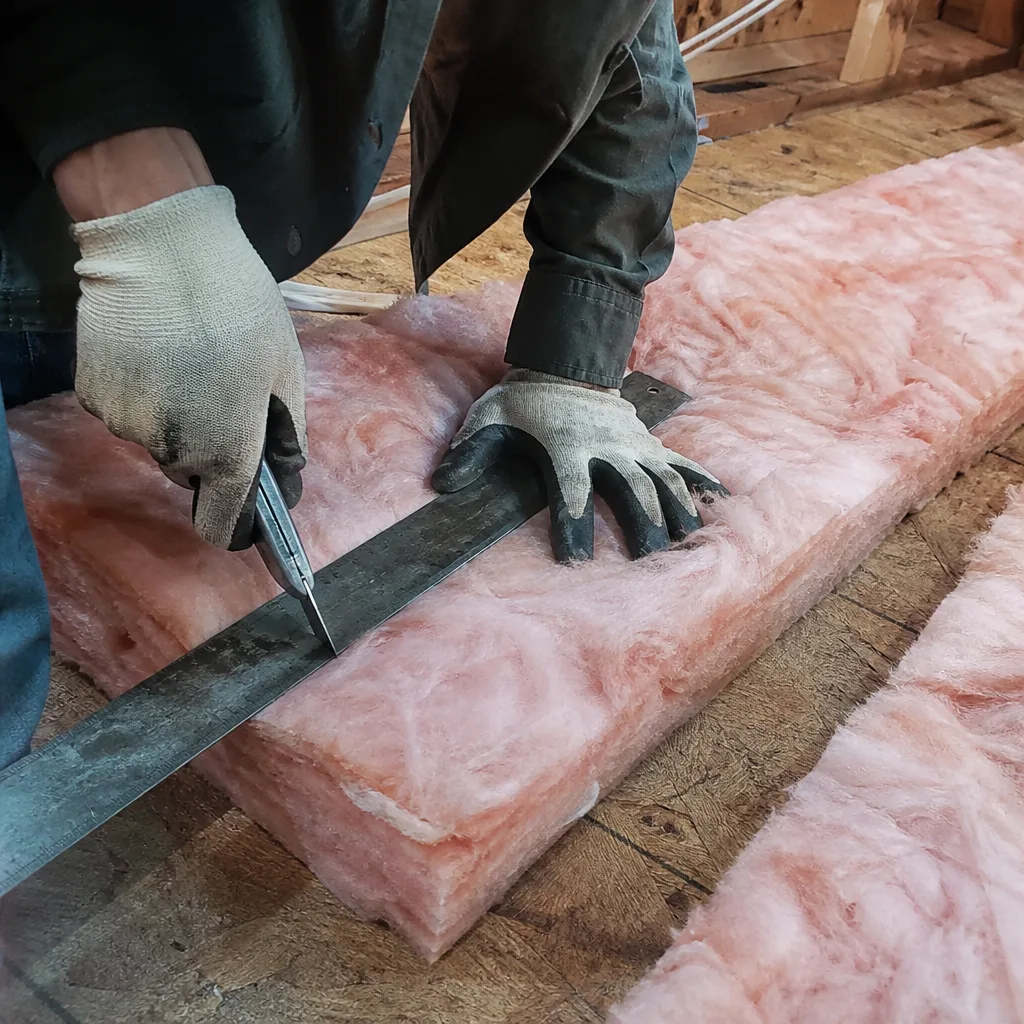
This is the part most Cedar Park homeowners don’t know going in, and it’s the most consequential thing an audit reveals. Insulation reduces heat transfer through materials. Air sealing stops conditioned air from moving through gaps. These are two different physical phenomena, and the order in which you address them is not interchangeable.
Blowing additional insulation over an attic floor that still has open top plates, unsealed can lights, and unaddressed penetrations around plumbing and HVAC chases is a common mistake – and it’s one that produces disappointing results because it doesn’t address the air leakage that’s driving a large portion of the energy loss. In Natomas-style attic configurations common in Cedar Park, where the air handler sits in the attic and duct boots penetrate the ceiling plane in multiple locations, we regularly see blower-door readings that improve by 40-50% from air sealing alone, before a single inch of new insulation is added.
At Envelope Insulation Co., air sealing of top plates, can lights, and penetrations is completed before any insulation is added – on every job, no exceptions. The audit tells us exactly where the bypasses are. The sealing closes them. The insulation then does its job in a much tighter envelope. That sequence is the only way the before-and-after blower-door numbers can show meaningful improvement.
If an insulation contractor proposes blowing new insulation without first completing a blower-door test and addressing air sealing, that’s worth asking about directly. The audit findings should drive the scope – not the other way around.
How to Save on a Home Energy Audit in Cedar Park
Several paths can reduce what you pay out-of-pocket for an audit in Cedar Park, none of which require cutting corners on diagnostic quality.
Check your utility program first. Austin Energy’s Home Performance with ENERGY STAR program has historically offered subsidized audits to qualifying Cedar Park customers. Oncor, which serves portions of Cedar Park depending on your street address, runs separate rebate programs. Call your utility provider’s energy efficiency line before scheduling anything – the program availability and income thresholds change annually, and a subsidized audit from an approved rater can cost you nothing or close to it.
Combine the audit with a concrete next step. An audit you act on pays for itself quickly. A Cedar Park home running a blower-door reading of 5,000 CFM50 that gets sealed to 2,500 CFM50 typically sees cooling costs drop by $150-$300 per summer season in this climate. At $350 for the audit, the payback is measured in one to two cooling seasons, not years.
Get a written scope before agreeing to anything. Haven Standard Clause 1 means a written price before any work starts – always. When comparing quotes, make sure you’re comparing the same diagnostic scope. A $150 “audit” that’s a visual walkthrough without instrumentation is not the same product as a $400 audit with a blower-door test, infrared scan, and written report.
Ask about a second opinion on any existing written estimate. If you’ve already received an estimate from another contractor following their own audit or inspection, Envelope Insulation Co. offers a free second opinion on any written estimate. We’ll read the scope with you and tell you whether the recommended work aligns with what the findings support.
To get a written price for an audit scoped to your specific home size and configuration, call (737) 245-6428. A live person answers – no voicemail loops, no callback windows measured in business days.
Cedar Park Neighborhoods We Audit Regularly
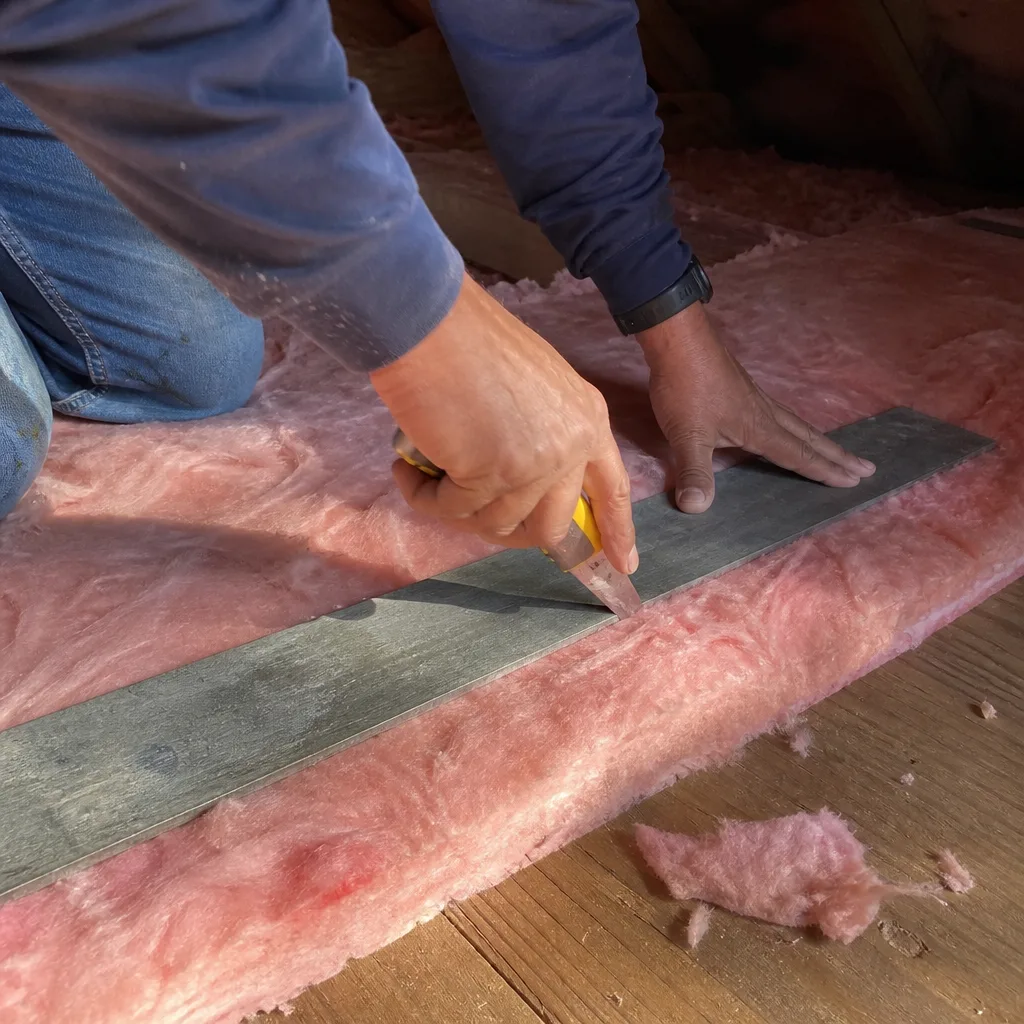
Cedar Park’s housing stock isn’t uniform, and the audit findings we see vary by neighborhood age and builder era. Homes in Twin Creeks and Ranch at Brushy Creek, built largely between 2000 and 2010, frequently have original fiberglass batt insulation that’s settled or was installed incorrectly at the time of construction. Blower-door tests in these neighborhoods often reveal significant air leakage at attic top plates that never got sealed during the original build.
Homes in Buttercup Creek and Forest Oaks, some of which date back to the late 1980s and early 1990s, tend to show older HVAC duct configurations with significant leakage to the attic. The infrared scan findings here are often more complex – more penetrations, more bypasses, and in some cases original insulation that’s well below current code depth.
Newer subdivisions near Whitestone Boulevard and Anderson Mill West generally test tighter out of the gate, but radiant heat load through poorly performing attic assemblies still drives summer cooling costs above where they should be, even in relatively well-sealed homes. An audit in these areas often reveals that the insulation is present but the radiant barrier is absent or inadequate – a meaningful finding in a climate where attic temperatures regularly exceed 150°F.
For any Cedar Park home, the findings the audit produces are specific to that structure. Generic advice about “typical” improvements has limited value here. The blower-door reading, the infrared images, and the written report are what make the work worth doing.
Audit vs. DIY Inspection: What You Can and Can’t See Without Instruments
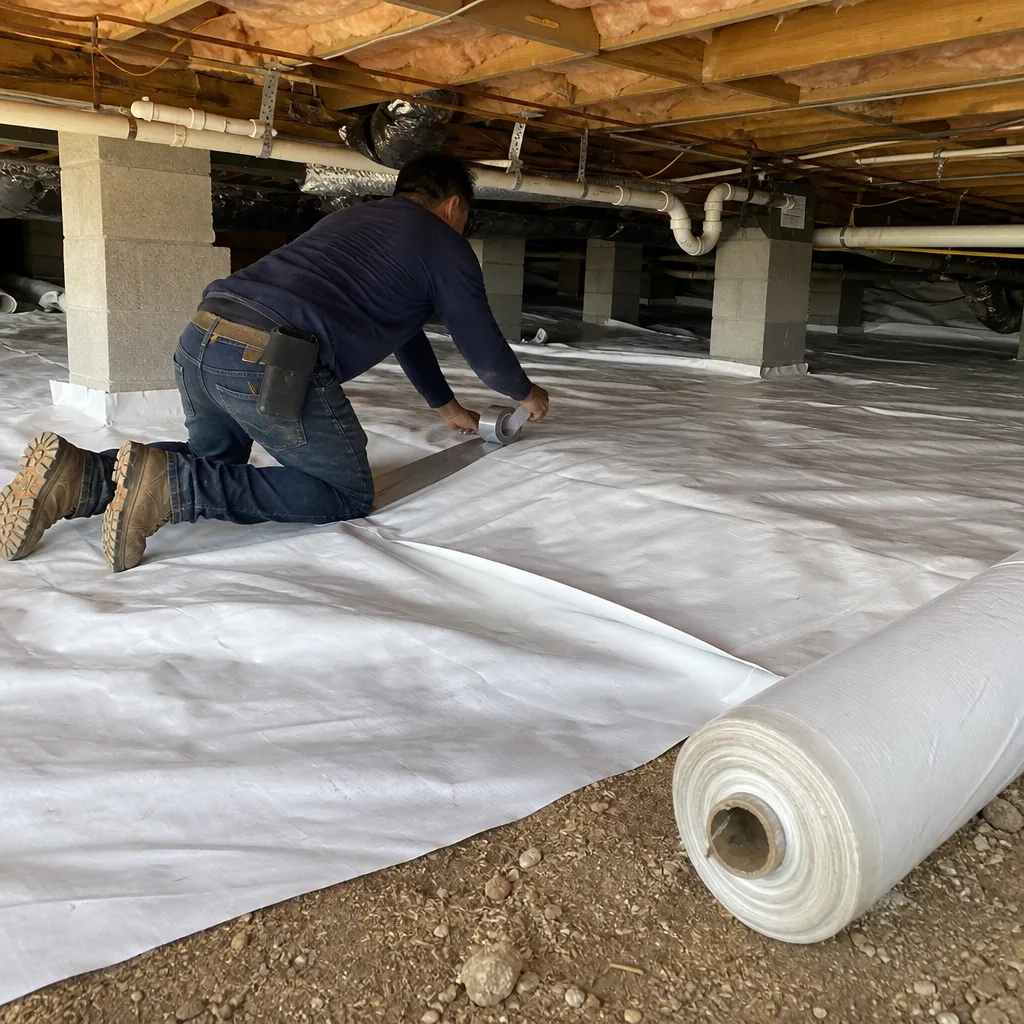
A thorough DIY walkthrough of your attic is worth doing. You can check insulation depth with a ruler, look for obvious gaps around light fixtures, and visually confirm whether a vapor barrier is present in a crawl space. These observations are useful starting points.
What you cannot determine without instrumentation: how much air your building envelope is actually losing (the blower-door number), where specifically the air movement is concentrated (thermal imaging under pressurization), how much conditioned air your ductwork is losing before it reaches living spaces (duct blaster), and whether combustion appliances are backdrafting under depressurization conditions (a safety check that matters if you have a gas water heater or furnace in an interior mechanical closet).
The gap between what you can see and what the instruments measure is exactly where most energy waste lives. Cedar Park homeowners who’ve done their own attic inspections and still can’t explain why their July electricity bills are $400+ are often dealing with air leakage and duct loss that’s invisible to the naked eye. The instruments make it visible – and measurable.
Safety note: if your audit findings include any indication of backdrafting combustion appliances, unsealed gas line penetrations, or structural issues in the attic, these are not DIY items. The audit identifies them; a licensed professional addresses them. We flag every safety-relevant finding in the written report.
FAQs: Home Energy Audit Cost in Cedar Park
How much does a home energy audit cost in Cedar Park, TX?
A standard home energy audit in Cedar Park costs between $300 and $500 for most single-family homes in the 2,000-3,500 square foot range. A comprehensive audit with blower-door testing, duct leakage measurement, infrared scanning, and a full written report runs $450-$650. Homes larger than 4,000 square feet or with complex attic configurations may reach $700-$850. Utility-subsidized audits through Austin Energy’s Home Performance program can reduce that cost to $0-$150 depending on eligibility. Call (737) 245-6428 for a written price specific to your home’s size and configuration – estimates are free.
Is a home energy audit worth the cost in Cedar Park?
For most Cedar Park homes, yes – the audit pays for itself within one to two cooling seasons. A home testing at 5,000 CFM50 on the blower-door that’s sealed to 2,500 CFM50 typically saves $150-$300 per summer in cooling costs alone in this climate, where air conditioning runs seven to eight months of the year. The audit also prevents a more expensive mistake: spending $2,000-$4,000 on new insulation before the air leaks are sealed, which produces disappointing results because insulation alone doesn’t stop air movement. The written report is yours to use with any contractor – you’re buying data, not committing to a next step.
How long does a home energy audit take in Cedar Park?
A standard instrumented audit – blower-door test, thermal imaging, and visual inspection – takes 2 to 3 hours for a typical Cedar Park home. A comprehensive audit that adds duct blaster testing and a combustion safety check runs 3 to 4 hours. Larger homes with multiple HVAC systems and complex attic configurations can take up to 5 hours. The written report is typically delivered within 24-48 hours of the visit. You’ll receive a documented photo record at the end of the visit regardless of when the full written report arrives.
Can I get a free home energy audit in Cedar Park?
Possibly – it depends on your utility provider. Cedar Park homeowners served by Austin Energy may qualify for a free or heavily subsidized audit through the Home Performance with ENERGY STAR program. Oncor customers have access to separate rebate programs. Check with your utility provider directly; the eligibility thresholds and program funding change annually. If you don’t qualify for a subsidized audit, expect to pay $300-$500 for a properly scoped instrumented audit. Call (737) 245-6428 – we can tell you what a written price looks like for your specific home before you commit to anything.
What’s the difference between an energy audit and an insulation inspection in Cedar Park?
An insulation inspection is a subset of a full energy audit. An inspector checks insulation depth, condition, and coverage – useful information, but it doesn’t measure air leakage or duct performance. A full energy audit uses a blower-door to pressurize the home, measuring exactly how much air the building envelope is losing; a duct blaster to measure duct leakage to outside; and an infrared camera under pressurization to show where that leakage is concentrated. In Cedar Park homes, where ductwork in unconditioned attics is common, duct leakage alone frequently accounts for 20-30% of cooling load – a finding an insulation-only inspection won’t surface. The audit gives you the full picture; the inspection gives you part of it.
How soon after a home energy audit should I schedule insulation or air sealing work?
There’s no required waiting period, but acting within the same cooling or heating season makes the most financial sense. In Cedar Park, scheduling air sealing and insulation work in late February through April (before peak summer) means you capture the full benefit of the first hot season. The written report from your audit includes prioritized recommendations – start with the highest-impact items first, which in most Cedar Park homes means top-plate air sealing and attic insulation before addressing walls or crawl spaces. The audit findings are valid for 12-18 months under normal conditions, though a major renovation or HVAC replacement during that window would warrant a reassessment.
Why Cedar Park Homeowners Choose Envelope Insulation Co.
Wes Okafor built Envelope Insulation Co. around one principle that most insulation contractors don’t follow: seal the air leaks first, then insulate. Every audit we conduct starts with a blower-door test, and every air-sealing job ends with a second blower-door test. You get both numbers – before and after – in writing, so the performance change is documented rather than estimated.
Since 2016, our crew has completed work on more than 9,000 homes across the Cedar Park area, every one with a written price before any work started and a documented photo record when the crew left. The 365-Day Done Right Promise applies to every completed job: if it’s not done right, we make it right. That promise is backed by a written scope and written warranty delivered before anyone starts – Haven Standard, not marketing language.
We use materials from Owens Corning, Johns Manville, Knauf, Rockwool, CertainTeed, Icynene, Demilec, and GreenFiber. No proprietary product lock-in means we spec what the job actually calls for, not what a single manufacturer wants us to sell. And if you have a written estimate from another contractor, we’ll give you a free second opinion – reading the scope with you and telling you whether the recommended work aligns with what the audit findings support.
If you want to know what a home energy audit in Cedar Park would cost for your specific home, we can give you a written price before you commit to anything. That’s how The Haven Standard works. Explore what’s included in our Home Energy Audit in Cedar Park service, or visit our home to see the full range of building-envelope services we provide.
Key Takeaways
- Most Cedar Park home energy audits cost $300-$500, with comprehensive instrumented audits running $450-$650.
- The blower-door test is the most important instrument – it gives you one number (CFM50) that quantifies exactly how much air your building envelope is losing.
- Austin Energy and Oncor offer subsidized audit programs that can reduce your cost to $0-$150 depending on eligibility.
- Air sealing should always come before new insulation – an audit tells you where the leaks are so you’re not insulating over an unsealed envelope.
- The written report, documented photos, and blower-door readings from your audit are yours to use with any contractor – you’re buying data, not a sales pitch.
- Cedar Park homes built between 2000 and 2010 in Lakeline, Twin Creeks, and Ranch at Brushy Creek frequently test between 3,500 and 6,000 CFM50 – significant room for improvement through air sealing alone.
- Under Haven Standard Clause 1: a written price before any work starts, every time, no exceptions.
Ready to know your home’s actual air leakage number? Call (737) 245-6428 to get a written price for a home energy audit in Cedar Park scoped to your home’s size and configuration. A live person answers – no voicemail, no callback window. Estimates are free, and no work starts without a written price in your hands first.
Written by Wes Okafor, Owner at Envelope Insulation Co. (operating as Topside Attic Insulation Cedar Park), serving Cedar Park since 2016.
Pricing reflects the Cedar Park market as of 2026. Topside Attic Insulation Cedar Park offers free estimates – call (737) 245-6428.
What Our Customers Say
"The winter gas bill dropped by about a third. They had estimated a quarter, so they under-promised."
- Genevieve R."Crawl space encapsulation done properly. Photographs of the vapour barrier at every seam, and the damp smell in the hallway is gone."
- Ainsley P."Fixed price, clean work, and they hauled the old material away as agreed."
- Todd M.