
How Much Does Wall Insulation Cost in Cedar Park?
Wall insulation in Cedar Park, TX typically costs between $1.50 and $4.25 per square foot of wall cavity, depending on the insulation type, access method, and the age of the home. For a 2,000-square-foot Cedar Park house with roughly 1,200 square feet of exterior wall cavities, most homeowners pay somewhere between $1,800 and $5,100 for a full installation. If your walls are already drywalled and the crew needs to drill-and-fill (inject blown-in insulation through small holes), expect to land in the upper half of that range.
Before we get into the numbers, a word on scope: at Envelope Insulation Co., every wall insulation job begins with a written price and a documented scope. Under Haven Standard Clause 1, no work starts without a flat price in writing – that means no “it depends” quotes over the phone and no after-the-fact surprises on your invoice. Wes Okafor has led the team since 2016, and that practice hasn’t changed once across more than 9,000 jobs.
Wall Insulation Cost Breakdown for Cedar Park (2026)
Wall insulation pricing is driven by three core variables: the insulation material, the installation method (open-stud vs. drill-and-fill retrofit), and the total square footage of wall cavity being filled. The table below reflects what Cedar Park homeowners are actually paying in 2026, based on current material costs and the local labor market in Williamson County.
| Insulation Type | Method | Cost per Sq Ft (Wall Cavity) | Typical 1,200 Sq Ft Wall Job |
|---|---|---|---|
| Fiberglass Batt (Owens Corning, Johns Manville) | Open-stud (new construction or gut renovation) | $0.90 – $1.60 | $1,080 – $1,920 |
| Blown-in Fiberglass (GreenFiber, Knauf) | Drill-and-fill retrofit | $1.75 – $2.75 | $2,100 – $3,300 |
| Blown-in Cellulose (GreenFiber) | Drill-and-fill retrofit | $1.50 – $2.50 | $1,800 – $3,000 |
| Mineral Wool / Rockwool Batt | Open-stud | $2.00 – $3.25 | $2,400 – $3,900 |
| Open-Cell Spray Foam (Icynene, Demilec) | Open-stud or after drywall removal | $2.50 – $4.00 | $3,000 – $4,800 |
| Closed-Cell Spray Foam (Demilec, Icynene) | Open-stud or partial cavity fill | $3.50 – $5.50 | $4,200 – $6,600 |
| Injection Foam (CertainTeed) | Drill-and-fill retrofit (existing drywall) | $2.75 – $4.25 | $3,300 – $5,100 |
Air sealing is priced separately – and at Envelope Insulation Co., it is always completed before insulation goes in, not skipped or bundled as a vague line item. Air sealing top plates, electrical penetrations, and can lights in an average Cedar Park home typically adds $350 to $900 to a project, depending on the number of penetrations. That cost is written into your quote before anyone shows up.
What the Numbers Above Don’t Include
- Drywall repair after drill-and-fill: Patching the 2-inch holes left by a dense-pack retrofit job runs $200 to $600 depending on the number of holes and finish level. Some homeowners handle this themselves; we document the hole locations in the photo record so your painter or drywall sub knows exactly what they’re working with.
- Insulation removal first: Homes built in Cedar Park between the late 1970s and early 1990s – particularly in older sections of Twin Creeks and Buttercup Creek – sometimes have deteriorated fiberglass batts that need to come out before anything new goes in. Removal runs $0.50 to $1.00 per square foot of wall cavity.
- Exterior-side rigid foam board: Some energy retrofits add continuous rigid foam to the exterior sheathing, which is typically quoted alongside a re-siding project. That work is priced per project and included in a written scope before any demo starts.
What Affects Wall Insulation Pricing in Cedar Park
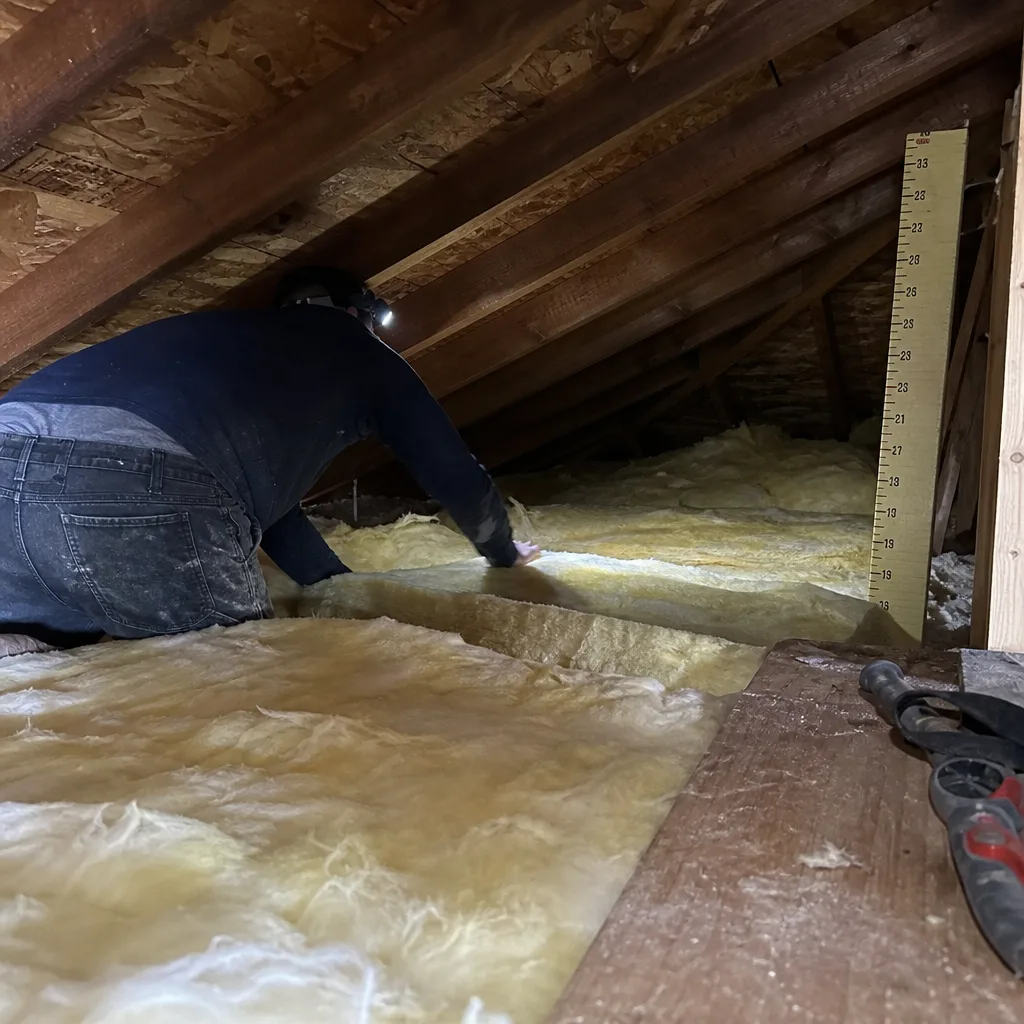
Cedar Park’s housing stock runs from mid-1980s ranch homes in Brushy Creek to 2018-era two-story builds in Avery Ranch and Forest Oaks. The age of the home, its wall construction, and the neighborhood all shape what a job actually costs. Here are the six variables that move the number most.
- New construction vs. existing drywall: Open-stud work is faster and cheaper because there’s no drilling, no patching, and no guesswork about stud spacing. If your walls are already drywalled, drill-and-fill or injection foam are the realistic options – both of which cost more per square foot and require more setup time.
- Wall framing type and stud spacing: Most Cedar Park homes built after 2000 use 2×6 framing at 16 inches on center, which gives you a 5.5-inch cavity to fill. Older homes in areas like the Cypress Creek Road corridor sometimes use 2×4 framing, which limits how much R-value you can fit. Tighter cavities take longer to dense-pack correctly, which adds labor cost.
- Number of exterior walls and total square footage: A 1,500-square-foot single-story home in Ranch at Brushy Creek may have 900 square feet of exterior wall cavity. A 3,200-square-foot two-story in Avery Ranch might have 1,800 or more. The jump in square footage is the single biggest driver of total project cost.
- Cedar Park’s climate and the right R-value target: Williamson County sits in IECC Climate Zone 2, which calls for exterior wall insulation at R-13 or higher for new construction. But Cedar Park summers regularly push 100°F with heat index values that stress any building envelope, which means the minimum code value often underperforms against what a properly modeled home actually needs. Choosing R-15 or R-21 materials (possible with certain spray foam and mineral wool configurations) costs more upfront and performs better on utility bills across a Central Texas summer.
- Air sealing complexity: Homes with recessed can lights, HVAC chases, and plumbing penetrations through exterior walls take longer to seal properly. In Cedar Park neighborhoods built between 2005 and 2015, it’s common to find exterior walls with five to ten penetrations that were never sealed at the factory-framing stage. We air-seal every one before insulation goes in – that’s not optional, and the count is reflected in your written quote.
- Material availability and current market pricing: Spray foam components and mineral wool products have seen price fluctuations since 2022. Prices in the table above reflect 2026 Williamson County market rates, but they can shift quarter to quarter. The written price you receive from us is locked for the scope described – not subject to a “material surcharge” line item added later.
Spray Foam vs. Blown-In vs. Batt: Which Makes Sense for Cedar Park Walls?
The honest answer depends on whether your walls are open or already drywalled, your R-value goals, and your budget. Here’s how the three main categories actually play out in Cedar Park conditions.
Fiberglass and Mineral Wool Batts
Batts are the right call when walls are open – new construction, a gut renovation, or an addition. Owens Corning R-15 batts in a 2×4 cavity and Johns Manville R-21 batts in a 2×6 cavity both perform reliably in Cedar Park’s heat load when the air sealing is done first. The mistake we see most often is batt insulation installed in a wall that has unsealed top plates, electrical boxes, and pipe penetrations. The batt itself tests fine; the air moving around it makes the assembly fail. Batts are not appropriate for a drill-and-fill retrofit into existing drywall.
Blown-In (Dense-Pack) Fiberglass or Cellulose
Dense-pack blown-in is the standard retrofit solution for Cedar Park homes with existing drywall. The crew drills 2-inch holes at regular intervals, fills the cavity to a density that prevents settling (3.5 lbs per cubic foot for cellulose, roughly 2.0 for fiberglass), and patches the holes. GreenFiber cellulose and Knauf blown-in fiberglass are the two materials we use most often in this application. Both hit R-13 in a 2×4 cavity without any structural modification. The process leaves a documented photo record of hole locations and the before/after cavity fill – so you have physical evidence of what was done, not just a receipt.
Spray Foam (Open-Cell and Closed-Cell)
Spray foam gives you the highest R-value per inch and the best air barrier in a single pass, but it costs more and requires either open studs or drywall removal. Open-cell Icynene at 3.5 inches in a 2×4 cavity hits roughly R-13; closed-cell Demilec at 2 inches can reach R-12 or higher. In Cedar Park’s humidity profile, closed-cell foam on the exterior-facing side of a cavity also functions as a vapor retarder – relevant for homes in lower-lying areas near Brushy Creek or Lake Travis where summer moisture drive is more pronounced. Spray foam is not a DIY product, and the mixing ratios are not forgiving. Any contractor who quotes spray foam without discussing wall vapor management in a Zone 2 climate is skipping a step that matters.
Injection Foam
CertainTeed’s injection foam is a newer category – a low-expansion, water-based foam injected into existing wall cavities through small holes, similar to the drill-and-fill process. It cures to a semi-rigid material that fills irregular cavities better than blown-in fiber and provides a meaningful air barrier in addition to thermal resistance. Per-square-foot cost is higher than blown-in cellulose or fiberglass, but it’s worth considering for Cedar Park homeowners who want a retrofit product that performs closer to open-cell spray foam without removing drywall.
The Air Sealing Step That Most Cedar Park Contractors Skip
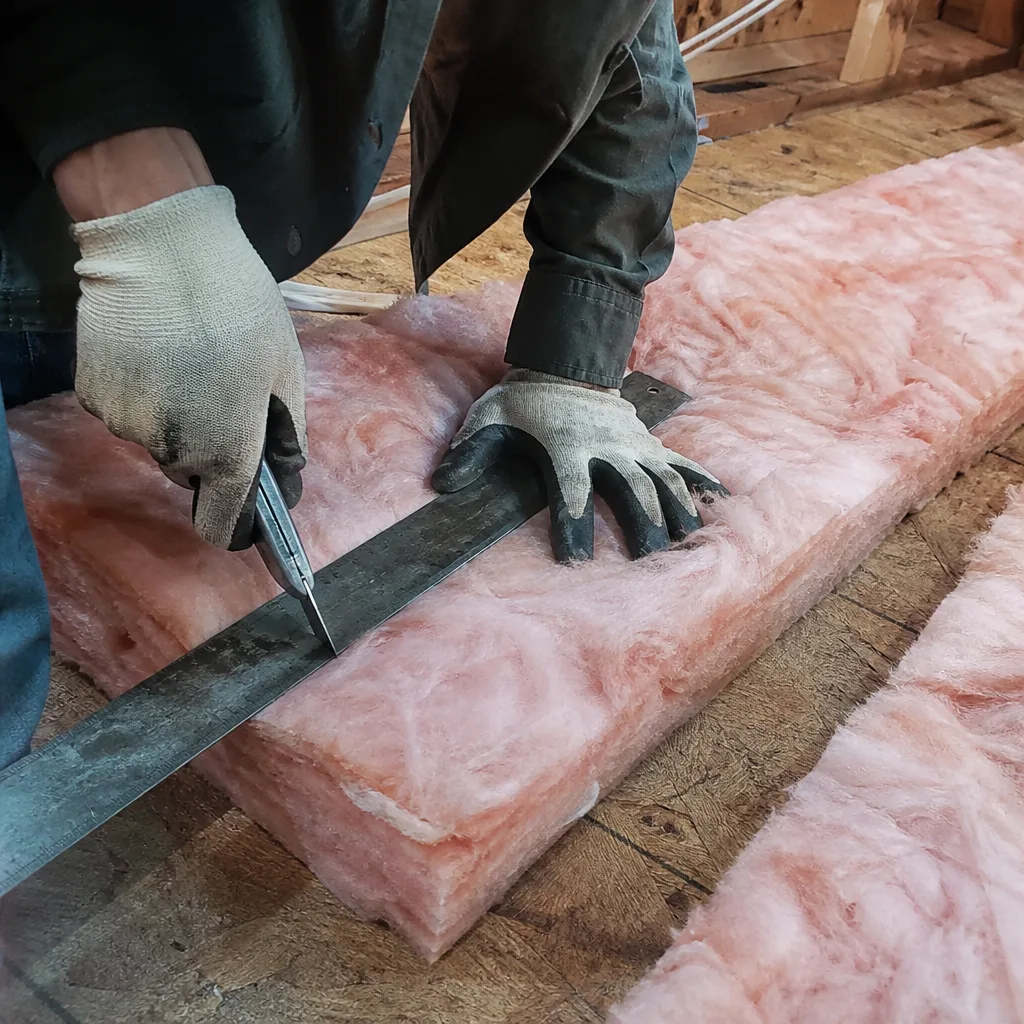
This is worth its own section because it directly affects what your insulation investment returns in lower utility bills.
A blower-door test – a pressurization reading that shows, in one number, how much air your building envelope is losing – regularly reveals that wall insulation in Cedar Park homes is underperforming not because the R-value is wrong, but because the air barrier was never completed. Top plates, electrical outlet boxes, and penetrations for pipes and wires are the three most common paths for conditioned air to bypass the insulation entirely. Filling the cavity with R-15 cellulose doesn’t stop air from moving through a 1/4-inch gap around a light switch box.
Envelope Insulation Co. seals every penetration before insulation goes in. That sequence matters: blown-in material can cover an unsealed gap and make it invisible to inspection without stopping air flow. We document the air sealing with photos and, on applicable jobs, publish the before-and-after blower-door CFM50 readings so you can see the actual performance change – not just take our word for it.
In Avery Ranch and Forest Oaks, where two-story homes built between 2006 and 2014 have complex HVAC chases and multiple exterior-wall penetrations, pre-insulation air sealing has reduced blower-door readings by 30 to 45 percent before a single bag of insulation goes in. That reduction in air changes translates directly to a smaller HVAC runtime and lower summer utility bills.
How to Save on Wall Insulation in Cedar Park
There’s no manufactured scarcity here – no “book this week” pressure. These are the four ways Cedar Park homeowners actually reduce their net cost on a wall insulation project.
- Time it with other envelope work. If you’re already doing attic insulation, blown-in insulation, or crawl space encapsulation, adding wall cavities to the same project saves a mobilization trip. The crew is already there, the blower-door is already set up, and the incremental labor cost is lower than a standalone wall job. Ask us to price both in the same written scope.
- Get a free second opinion on a competing estimate. Under the Haven Standard, Envelope Insulation Co. will read any written estimate with you at no charge. Bring us the other contractor’s quote – we’ll go through it line by line and tell you what it includes, what it’s missing, and whether the price reflects the Cedar Park market. This is not a sales tactic; it’s a standing offer because homeowners who understand what they’re buying make better decisions.
- Check for Austin Energy or Oncor rebates. Depending on your utility provider and the insulation type, there may be rebates available for wall air sealing and insulation upgrades. These programs change annually, and the specifics depend on whether your Cedar Park address is served by Austin Energy or Oncor. We’ll note current program eligibility in your written scope if it applies.
- Prioritize exterior walls first. Interior partition walls don’t contribute to thermal loss the way exterior walls do. If budget is a constraint, putting all available dollars toward exterior wall cavities (and the air sealing of those cavities) produces a measurably better return than splitting the same budget across every wall in the house.
- Don’t skip the blower-door test. Spending money on insulation without knowing your baseline air leakage rate is genuinely wasteful. A home energy audit that includes a blower-door test before insulation work starts tells you where conditioned air is actually leaving the building. In some Cedar Park homes, the attic bypasses account for more energy loss than the walls – and the audit will show you that before you spend money on wall insulation that isn’t your largest problem.
To get a written price for your specific home – square footage, wall type, and access conditions all on one document before anyone lifts a tool – call (737) 245-6428. Wes Okafor’s team answers live, every day.
FAQs: Wall Insulation Cost in Cedar Park
How much does wall insulation cost per square foot in Cedar Park, TX?
Wall insulation in Cedar Park runs between $1.50 and $4.25 per square foot of wall cavity for most residential jobs in 2026. Blown-in cellulose and fiberglass for a standard drill-and-fill retrofit land in the $1.50-$2.75 range. Injection foam and spray foam options start at $2.75 and can reach $5.50 per square foot for closed-cell applications. Open-stud batt work is cheaper at $0.90-$1.60 per square foot, but that’s only possible when walls are already open. Call (737) 245-6428 for a written price specific to your home’s wall configuration.
How long does a wall insulation project take in Cedar Park?
A full exterior wall drill-and-fill retrofit on a 2,000-square-foot Cedar Park home typically takes one to two days: one day for air sealing and the drill-and-fill insulation, and a second day or two for drywall patching if it’s included in the scope. Open-stud batt installation on new construction or a gut renovation usually takes one day for the same home size. The timeline is written into your project scope before work begins – there’s no “we’ll see how it goes” scheduling on a Haven Standard job.
Is it worth insulating walls in an existing Cedar Park home?
Yes, in most cases – particularly for homes built before 2000 in neighborhoods like Buttercup Creek, Cypress Creek Estates, and the older sections of Twin Creeks, where wall cavities were often left empty or filled with deteriorated fiberglass. A properly dense-packed exterior wall reduces HVAC runtime and lowers summer cooling bills, which matter significantly in Cedar Park’s Climate Zone 2 heat load. The payback period for a $3,000-$5,000 retrofit wall insulation project typically runs seven to twelve years on energy savings alone, not counting the improvement in indoor comfort during July and August. A home energy audit with a blower-door test will give you a more precise projection for your specific home before you commit.
What type of wall insulation is best for Cedar Park’s climate?
For existing walls with drywall in place, dense-pack blown-in cellulose or blown-in fiberglass (from GreenFiber or Knauf) is the most common and cost-effective option. For open-stud applications, Rockwool mineral wool batts perform well in Cedar Park’s heat because they don’t compress, don’t absorb moisture, and maintain their R-value through the temperature swings between a 100°F August afternoon and a winter cold snap. Closed-cell spray foam offers the highest performance per inch but is typically reserved for projects where R-value per inch is the primary constraint (thin wall cavities, for example). The material choice is written into your quote with a clear explanation of why it was selected for your specific wall assembly.
Do I need a permit for wall insulation in Cedar Park, TX?
For standard residential insulation work – drill-and-fill retrofit or batt replacement – Cedar Park typically does not require a separate insulation permit when no structural work is involved. However, if the project includes drywall removal, structural modifications, or is part of a larger renovation with a general permit already pulled, the insulation work may fall under that permit’s scope. The City of Cedar Park follows the Texas Energy Conservation Code for new construction and major renovations, which includes minimum R-value requirements for exterior walls. We verify permit requirements for your specific project as part of the written scope – you won’t be left guessing whether the work needs a sign-off.
Can wall insulation be added without removing drywall?
Yes. The drill-and-fill method and injection foam both go into existing wall cavities through small holes (typically 2 inches in diameter) drilled through the drywall surface between studs. The holes are patched after filling, and the wall cavity ends up fully insulated without drywall removal. The patched holes are visible for a short time after the job and require painting to disappear completely. We document hole locations with photos so your painter knows exactly what they’re working with. This retrofit method is how the majority of Cedar Park’s older housing stock gets insulated without a gut renovation.
What You Receive When Envelope Insulation Co. Does Your Wall Insulation
This is worth spelling out, because it differs from what most Cedar Park insulation contractors deliver.
- Written price before any work starts. A flat price, written scope, and written warranty – delivered before anyone drives to your home with equipment. Haven Standard Clause 1, no exceptions.
- Air sealing completed first. Top plates, electrical penetrations, can lights, and pipe chases are sealed before insulation is added. The sequence is documented in photos.
- Blower-door reading on applicable jobs. Before-and-after CFM50 numbers so you can see the air-sealing result in one measurement, not just take our word for it.
- Documented photo record on every visit. Included on every job, not available on request. You leave with evidence of what was done.
- 365-Day Done Right Promise. If it’s not right, we make it right. That’s a written warranty, not a verbal assurance.
- Materials from Owens Corning, Johns Manville, Knauf, Rockwool, CertainTeed, Icynene, Demilec, and GreenFiber. No proprietary product lock-in. We specify what’s right for your wall assembly.
Wes Okafor and the Envelope Insulation Co. team have been running jobs this way since 2016. The home base for everything we do is a straightforward promise: documented work, written prices, and results you can verify. For Cedar Park wall insulation specifically, you can read more about the full service on our Wall Insulation in Cedar Park page.
If you’re comparing estimates, bring us the other quote. We’ll read it with you, line by line, free of charge – that’s the Free Second Opinion offer under the Haven Standard, and it’s available to every Cedar Park homeowner who asks.
Key Takeaways
- Wall insulation in Cedar Park costs $1.50 to $4.25 per square foot of wall cavity in 2026, with most full-home retrofit projects landing between $1,800 and $5,100.
- Blown-in cellulose and fiberglass are the standard drill-and-fill retrofit options. Spray foam and injection foam cost more but offer better air-sealing performance in a single pass.
- Air sealing before insulation is not optional – it’s what determines whether the insulation actually performs. Envelope Insulation Co. seals first, then insulates, every time.
- Cedar Park’s Climate Zone 2 designation and its 100°F summer heat load make wall R-value decisions more consequential than in milder climates. Code minimum (R-13) often underperforms against a properly modeled home’s actual load.
- A written price before any work starts is the non-negotiable starting point. You’ll know the total cost, the scope, and the warranty before anyone touches a drill.
- A home energy audit with a blower-door test before wall insulation work tells you whether walls are actually your biggest energy loss path – or whether attic bypasses are the real problem.
Pricing reflects the Cedar Park market as of 2026. Topside Attic Insulation Cedar Park offers free estimates – call (737) 245-6428.
Written by Wes Okafor, Owner at Envelope Insulation Co., serving Cedar Park, TX since 2016.
What Our Customers Say
"The winter gas bill dropped by about a third. They had estimated a quarter, so they under-promised."
- Genevieve R."Crawl space encapsulation done properly. Photographs of the vapour barrier at every seam, and the damp smell in the hallway is gone."
- Ainsley P."Fixed price, clean work, and they hauled the old material away as agreed."
- Todd M.