
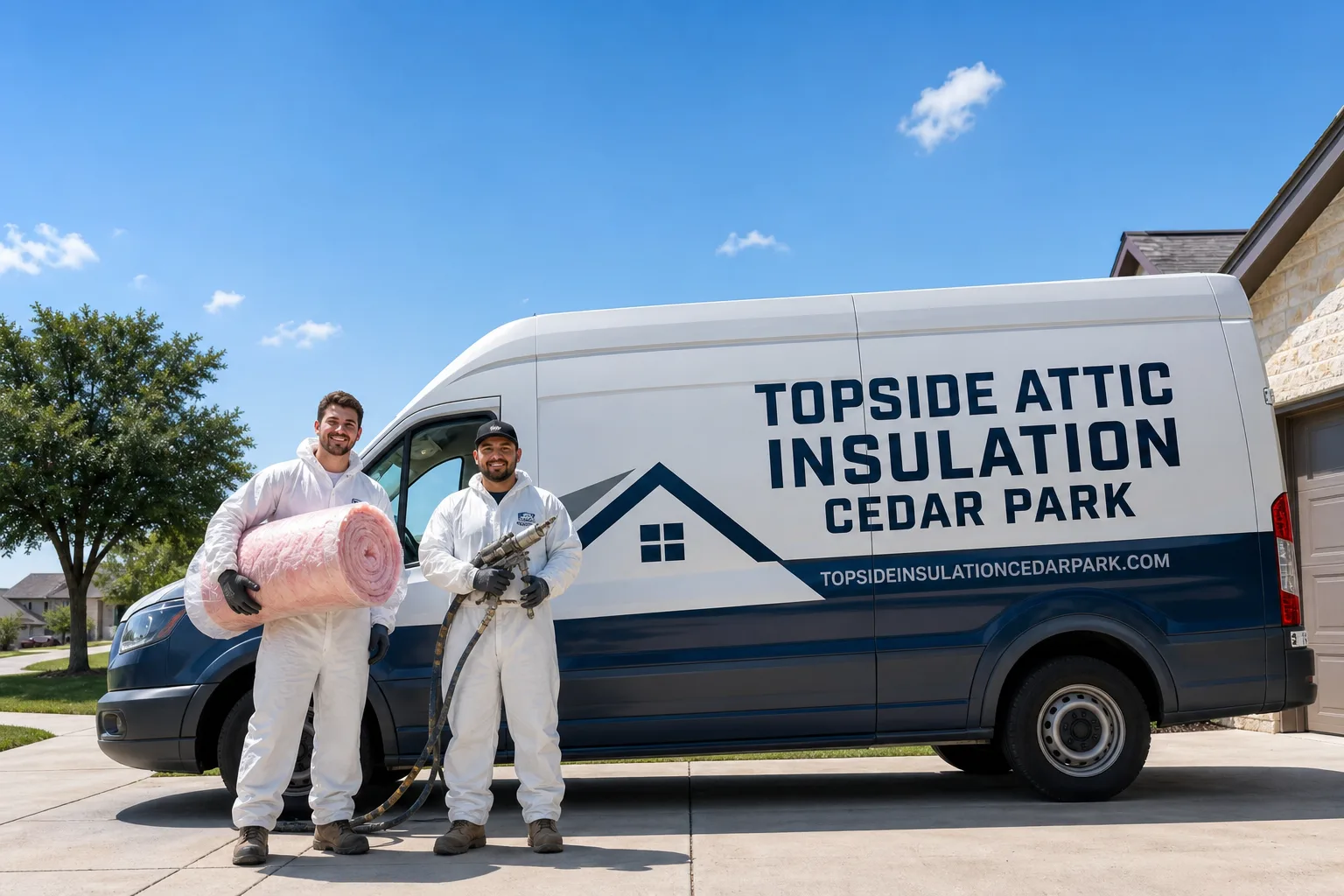
How Much Does Attic Insulation Cost in Cedar Park?
Most attic insulation jobs in Cedar Park, TX run between $1,400 and $3,800 for a typical single-story home in the 1,800-to-2,800-square-foot range – though homes in Buttercup Creek or Twin Creeks with vaulted ceilings or poorly sealed attic floors can push that number higher. The two biggest variables are whether air sealing happens before the insulation goes in (it should) and what R-value you’re starting from versus where you need to land. Under the Attic Insulation in Cedar Park service, every job begins with a written price before any work starts – no estimates that balloon after the crew shows up.
Attic Insulation Cost Breakdown (2026)
Below are the price ranges we see for Attic Insulation Near Me in Cedar Park, TX as of 2026. These reflect materials, labor, and attic access – not vague “starting at” figures designed to get someone in the door.
| Service / Scope | Typical Range (Cedar Park, TX) | Notes |
|---|---|---|
| Blown-in fiberglass (1,000 sq ft attic floor) | $700 – $1,100 | Assumes existing insulation stays; top-off to R-38 |
| Blown-in cellulose (1,000 sq ft) | $650 – $1,050 | GreenFiber or equivalent; good for retrofit over old batts |
| Blown-in to R-38 (full attic floor, 2,000 sq ft) | $1,200 – $1,900 | Most common scope in Round Rock Road-area neighborhoods |
| Blown-in to R-60 (full attic floor, 2,000 sq ft) | $1,600 – $2,400 | Recommended when starting from less than R-11 |
| Attic air sealing (top plates, can lights, penetrations) | $400 – $950 | Done before insulation – not optional on a proper job |
| Air sealing + blown-in (2,000 sq ft, to R-38) | $1,600 – $2,800 | Most common full-scope job in Cedar Park |
| Air sealing + blown-in (2,500 sq ft, to R-60) | $2,200 – $3,800 | Typical for older homes near Lakeline area built pre-2000 |
| Old insulation removal + replacement | $2,000 – $4,500 | Required when rodent damage, moisture, or vermiculite is present |
| Radiant barrier installation (foil, 2,000 sq ft) | $900 – $1,600 | Reduces summer radiant heat load; common add-on in Cedar Park’s west-facing attics |
| Spray foam (open-cell, roof deck application) | $3,200 – $6,500+ | Unvented attic conversion; requires HVAC review |
A few things push prices toward the higher end of those ranges in Cedar Park specifically. The city sits at roughly 900 feet elevation on the edge of the Edwards Plateau, which means summer attic temperatures regularly hit 140-150°F – hotter than much of the Austin metro to the south. That thermal load requires more material depth for our Attic Insulation services to hit the same effective R-value per hour of peak performance. Homes in the Carriage Hills and Forest Oaks developments built in the early 2000s often still have the builder-grade fiberglass batts laid flat at R-19 or less, which means a meaningful amount of existing material needs to come out or be covered properly before new product goes in. Neither of those conditions changes the quoted price after the fact – but they do explain why the Cedar Park market runs slightly higher than the Austin average for comparable square footage.
What drives prices down: homes with good attic access, a clean and dry attic floor, minimal existing insulation to work around, and a straightforward rectangular layout. A 2,200-square-foot ranch-style home in Brushy Creek that just needs a top-off from R-19 to R-38 with no air sealing complications can land at the lower end of its range.
Why Air Sealing Is Priced Into Every Scope – Not Added Later
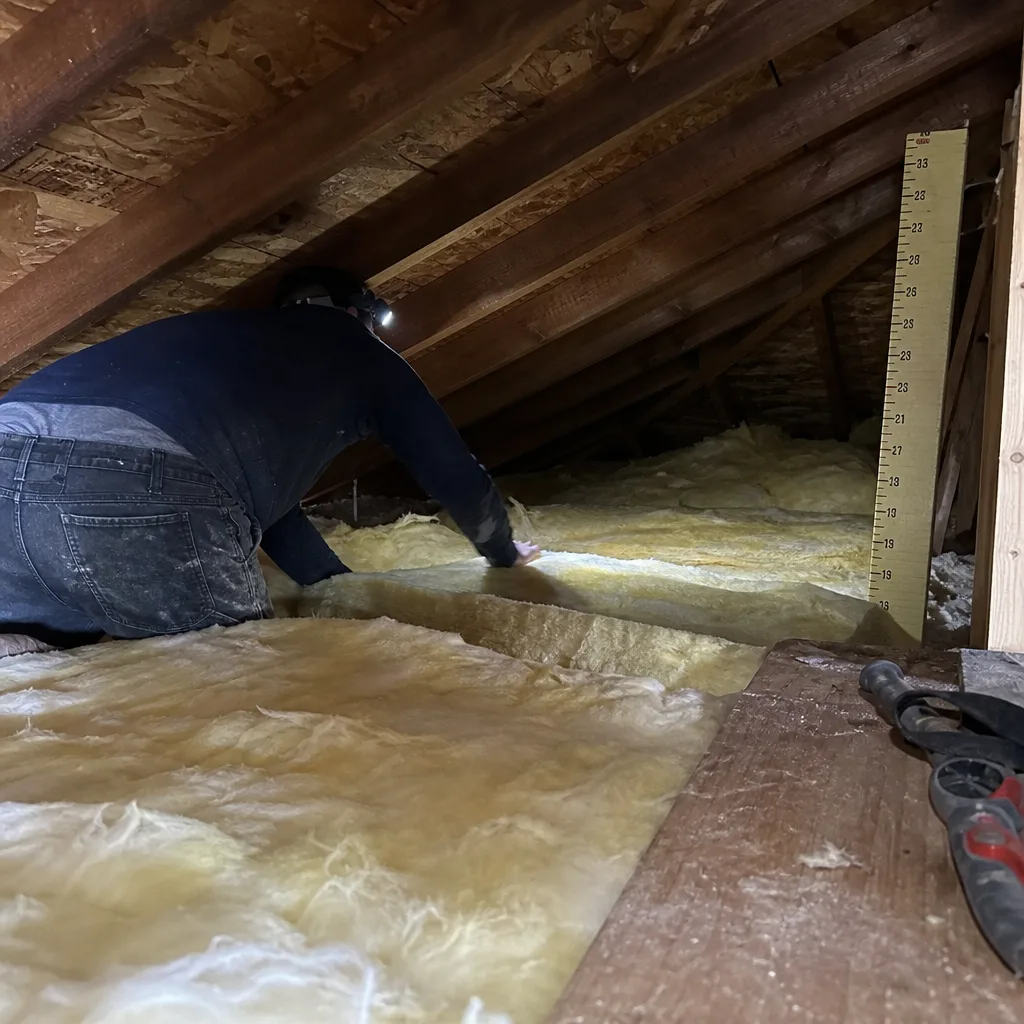
This is the part most pricing guides skip, so it’s worth explaining plainly. The building science behind attic insulation is that insulation slows the movement of heat through mass – it does not stop air. If the top plates, ceiling penetrations, can lights, and HVAC boot connections in your attic floor are open (and in most Cedar Park homes built before 2010, they are), blowing insulation over them is like packing a drafty window with cotton. The insulation fluffs up and looks correct, but conditioned air is still moving freely through the gaps underneath.
Wes Okafor and the team at Topside Attic Insulation Cedar Park operate under a rule that came directly from what the blower-door numbers kept showing: attic insulation installed before air sealing produces a fraction of the energy performance of the same insulation installed after sealing. So the sequence is sealed first, then insulated – every time, no exceptions. A blower-door test – a pressurization reading that measures, in a single CFM50 figure, how much air the building envelope is losing – is how we document the before and after. If you’ve received a quote from another contractor that includes insulation but no mention of air sealing, that’s the question to ask: “Where does air sealing appear in this scope?”
On applicable jobs, before-and-after blower-door readings are provided with the Documented Photo Record when the crew leaves. You’ll see a number on the way in and a number on the way out.
What Affects Attic Insulation Pricing in Cedar Park
- Current R-value and condition of existing insulation: Homes in Cedar Park’s older sections – particularly around Lakeline Mall corridor and the pre-2000 neighborhoods off Buttercup Creek Boulevard – frequently have fiberglass batts that have settled, shifted, or been compressed by foot traffic from HVAC techs over the years. Settled insulation loses R-value. If the existing material is below R-11 and in poor shape, full removal is often the right call, which adds $600-$1,500 to the scope depending on volume and whether a HEPA vacuum system is required.
- Attic square footage and geometry: Cedar Park has a significant number of two-story homes in the Buttercup Creek, Twin Creeks, and Forest Oaks areas where attic geometry gets complicated – knee walls, multiple levels of attic floor, and dormers all add labor time. Rectangular single-story attics cost less per square foot to work in.
- Attic access: A 22×30-inch pull-down stair opening allows a crew to move equipment efficiently. A 14×24-inch hatch on a tall two-story home adds time and can limit which equipment configurations work. Some Cedar Park homes – particularly townhomes near the Bell Boulevard corridor – have access hatches in closets that require a full equipment reconfiguration.
- Number of penetrations requiring sealing: Every recessed can light, every top-plate gap, every HVAC boot, every plumbing stack – each one is a discrete air-sealing task. A home with 40 recessed can lights across an open-plan living area (common in homes built in Cedar Park between 2005 and 2015) takes meaningfully longer to seal than a home with 12. This is reflected in the air-sealing portion of the quote, not added afterward.
- Target R-value: Texas climate zone 2 (which covers Cedar Park) calls for R-30 at minimum under current IECC standards, but R-38 to R-49 is what actually performs given Cedar Park’s summer attic temperatures. Going from a starting point of R-11 to R-60 requires roughly 20 inches of blown-in fiberglass at settled density. More material, more cost – but the reduction in cooling load is proportional.
- Radiant barrier addition: Cedar Park’s orientation and the prevalence of west- and south-facing roof decks in newer developments like Sendero Springs mean radiant heat gain is a real contributor to summer cooling costs. Adding a perforated foil radiant barrier to the roof deck rafters during the same visit as blown-in insulation is the most cost-efficient time to do it – the crew is already in the attic, and the price is lower than a standalone visit.
- Existing damage or contamination: Rodent activity, moisture intrusion near ridge vents, or old vermiculite insulation (found occasionally in Cedar Park homes with attic additions from the 1980s) change the scope significantly. Any contaminated material requires proper containment and disposal – that cost is in the written price before work starts, not discovered on the invoice.
R-Value Reference for Cedar Park, TX
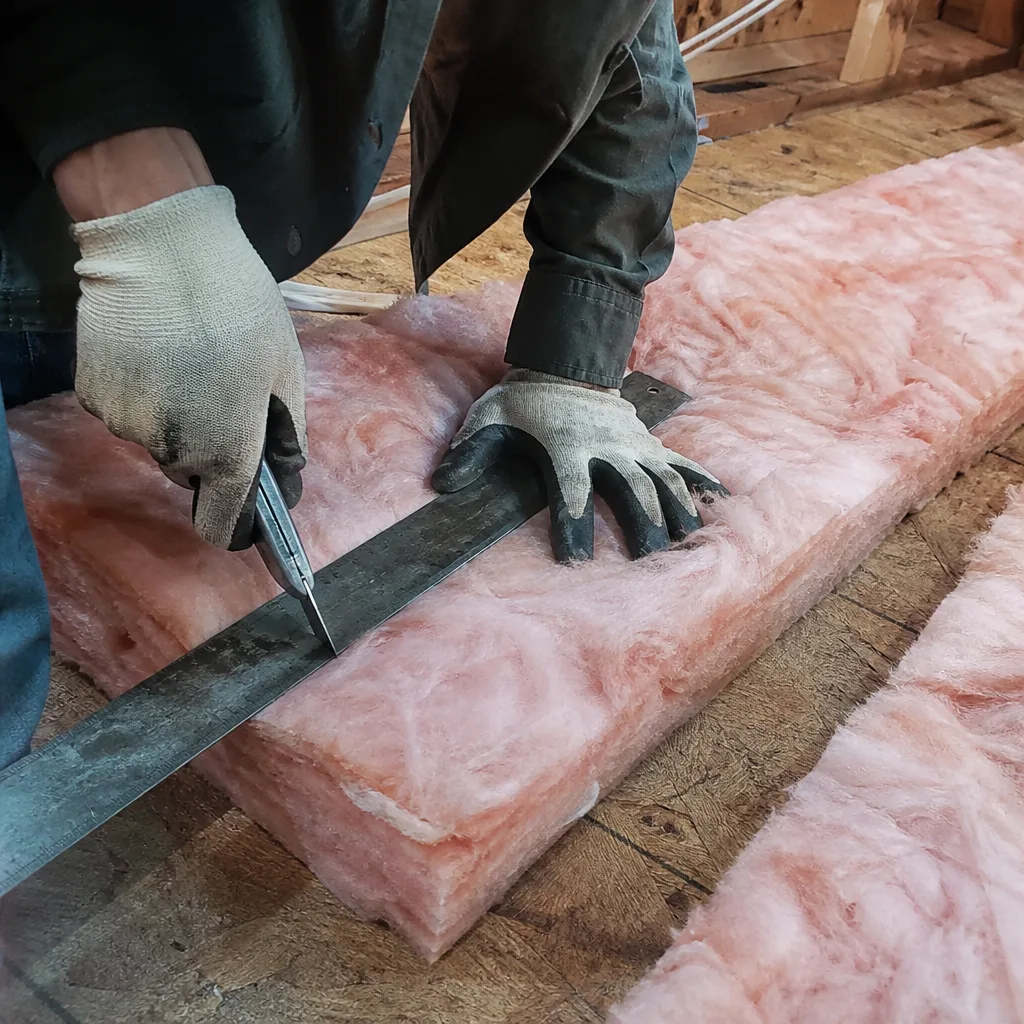
Cedar Park falls in IECC Climate Zone 2 – the same zone as most of the Austin metro. The Department of Energy’s recommendation for this zone is R-38 to R-60 for attic floors. Here’s what that translates to in material depth for the two most common blown-in products used in this market:
- Blown-in fiberglass (e.g., Owens Corning AttiCat or Johns Manville Spider): R-38 requires approximately 14-15 inches of settled depth; R-49 requires approximately 18-19 inches; R-60 requires approximately 22-23 inches.
- Blown-in cellulose (e.g., GreenFiber): R-38 requires approximately 10-11 inches of settled depth; R-49 requires approximately 13-14 inches; R-60 requires approximately 16-17 inches.
Cellulose sits slightly denser and reaches target R-values at shallower depths, which matters in attics where truss heel height limits how much insulation can sit at the eaves. In Cedar Park’s newer construction – particularly the 2015-and-later builds in Sendero Springs and Twin Creeks – heel height is usually adequate. In older ranch-style homes near Buttercup Creek Drive, it can be a constraint worth noting in the written scope.
Spray Foam vs. Blown-In: When the Price Difference Is Worth It
Open-cell spray foam on the roof deck (rather than the attic floor) converts a vented attic to an unvented, conditioned attic – a fundamentally different building approach. The cost is higher: $3,200 to $6,500 or more for most Cedar Park homes. The case for it is strongest when:
- HVAC equipment or ductwork sits in the attic and the duct system is difficult to seal adequately (common in two-story Cedar Park homes where ducts run through a hot attic for long horizontal runs)
- The home is a high-performance build or major renovation where total envelope performance is the goal
- The homeowner wants to reduce attic temperature dramatically – a conditioned attic running at 80°F instead of 140°F changes HVAC load and equipment longevity
The downside is cost and the requirement for HVAC combustion air review if any gas equipment is in the attic. This isn’t a decision to make without a written scope that describes exactly what is being sprayed, to what thickness, and what happens to the existing ventilation. Under Haven Standard: Written Price Before Any Work Starts, that scope exists before anyone lifts a tool.
For most Cedar Park homeowners doing a standard upgrade, blown-in fiberglass or cellulose to R-49 or R-60 with proper air sealing first is the right scope – and it costs a fraction of spray foam while delivering most of the energy performance benefit.
How to Save on Attic Insulation in Cedar Park
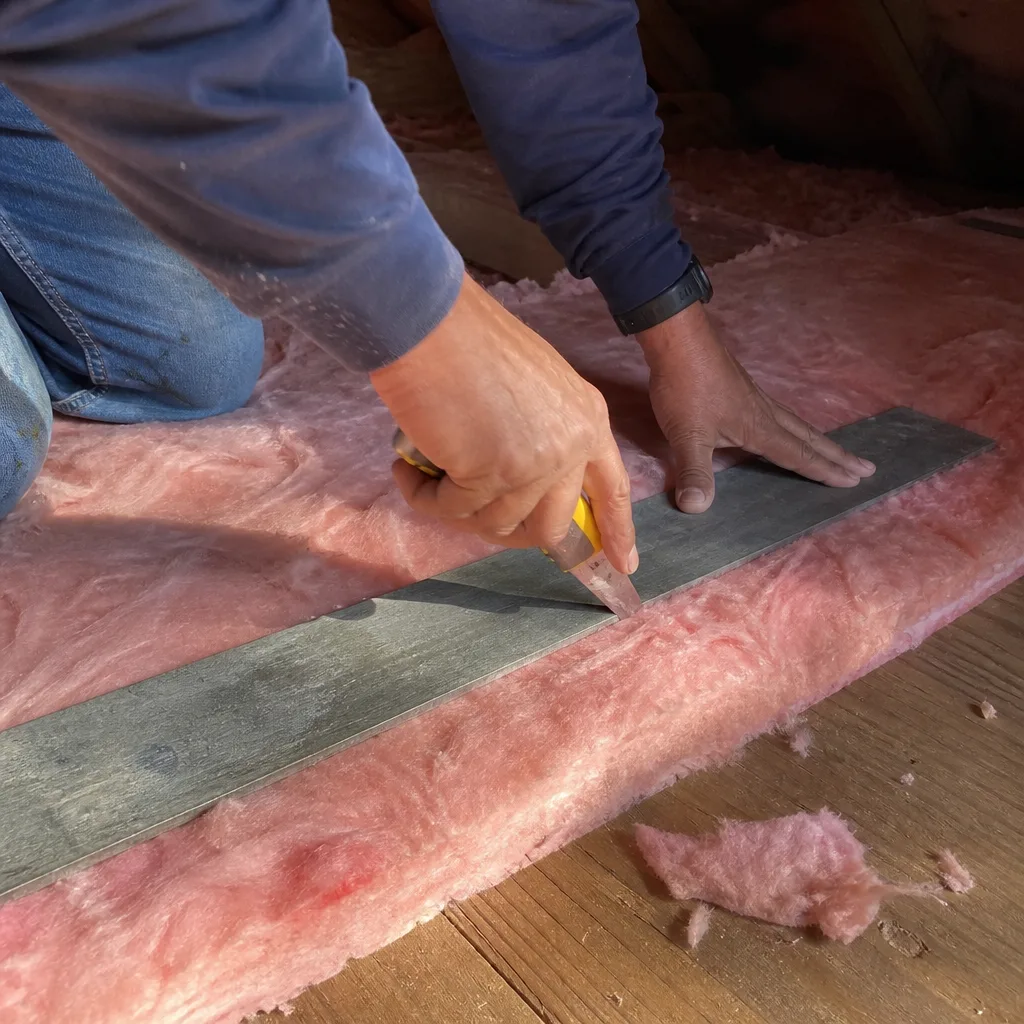
There are a few real ways to reduce the total cost of an attic insulation project in Cedar Park – and a few that look like savings but aren’t.
Combine scopes in one visit. If you’re adding blown-in insulation, the same visit is the right time to add a radiant barrier and address any air sealing. Mobilization is a real cost – getting a crew and equipment to your address in Cedar Park once costs less than twice. A job that bundles air sealing, blown-in to R-49, and radiant barrier installation in a single scope will almost always cost less than three separate visits totaling the same work.
Check for APS or Austin Energy rebate eligibility. Cedar Park is served by Pedernales Electric Cooperative in some areas and Oncor in others, depending on the neighborhood. Both have had insulation rebate programs tied to R-value improvement and verified installation. These programs change; the right step is to confirm current availability directly with your utility before scheduling work, then request documentation from your insulation contractor that satisfies the rebate’s verification requirements. The Documented Photo Record included on every Topside Attic Insulation Cedar Park job typically satisfies photo verification requirements – but confirm the utility’s specific criteria in advance.
Get a second opinion on any written estimate. If you’ve received a quote from another contractor, Topside Attic Insulation Cedar Park offers a Free Second Opinion on any written estimate. That means sitting down with the competing quote and going through it line by line – what’s included, what’s not, whether air sealing appears anywhere in the scope, what materials are specified. You might find the quotes are equivalent. You might find one is missing two-thirds of what actually needs to happen. Either way, you’ll know.
Don’t skip air sealing to lower the quote. This one comes up. A contractor who quotes only the insulation and leaves air sealing out is producing a lower number on paper – but the installed performance will be measurably worse, and the blower-door test will show it. A home that gets insulation without air sealing might see a 10-15% reduction in energy loss. The same home with air sealing first commonly sees 30-45% or more. The delta in energy savings over five years in Cedar Park, where cooling season runs roughly eight months, makes skipping air sealing a poor financial decision even when the upfront quote is lower.
Address moisture and rodent issues before pricing insulation. If there’s evidence of moisture intrusion or rodent activity in your attic, those issues need to be scoped and priced separately from the insulation work. Trying to bundle them as a surprise during the insulation job is how scopes expand unexpectedly on the day of the project. A written scope that identifies and prices remediation upfront – before insulation starts – is the only way to know what you’re actually committing to.
To get an accurate written price for your specific home in Cedar Park, call (737) 245-6428. Estimates are free, and the price is in writing before any work is scheduled.
FAQs – Attic Insulation Cost in Cedar Park, TX
How much does attic insulation cost for an average Cedar Park home?
For a typical 2,000-to-2,500-square-foot Cedar Park home starting from R-19 or less, a full scope with air sealing and blown-in insulation to R-38 or R-49 runs $1,600 to $2,800. Homes that need removal of old or damaged insulation first, or that have complicated attic geometry like those common in the Twin Creeks neighborhood, can run $3,000 to $4,500 or more. The written price you receive before work starts reflects your specific attic – not a range calculated after the fact. Call (737) 245-6428 to get that number for your home.
Is it cheaper to add insulation on top of existing insulation, or remove and replace?
Adding blown-in on top of existing insulation is almost always cheaper – typically $700 to $1,900 for most Cedar Park attics – versus $2,000 to $4,500 for removal and replacement. The case for removal is specific: existing insulation that is wet, rodent-contaminated, compressed below R-10, or composed of vermiculite (an asbestos-containing material found in some 1970s-1980s homes) needs to come out. If the existing material is dry, intact, and at a reasonable depth, a top-off to target R-value with blown-in over it is the right call. The inspection that precedes your written quote will tell you which situation you’re in.
How long does attic insulation installation take in Cedar Park?
For most Cedar Park homes, the air sealing and blown-in insulation scope together take 4 to 8 hours with a two-person crew. Larger homes, complex geometry, or jobs that include removal of existing insulation can extend to a full day. The written scope you receive will include the expected timeframe – and under Haven Standard: Arrive on schedule, you get a named technician and a text when they are on the way.
What R-value do I need for my attic in Cedar Park, TX?
Cedar Park sits in IECC Climate Zone 2, where the Department of Energy recommends R-38 to R-60 for attic floors. Given Cedar Park’s summer attic temperatures – regularly 140-150°F – R-49 is a practical minimum for meaningful cooling load reduction, and R-60 is the right target for homes with HVAC equipment in the attic or those seeking maximum performance. Most Cedar Park homes built before 2010 are sitting at R-19 or less, meaning there’s significant room for improvement. The difference between upgrading to R-38 versus R-60 on a 2,000-square-foot attic is roughly $400 to $800 in material cost – a small increment relative to the performance difference in Cedar Park’s climate.
Does attic insulation in Cedar Park qualify for any rebates or tax credits?
Potentially, yes – through two channels. The federal 25C energy efficiency tax credit allows homeowners to claim up to $1,200 per year (30% of qualified insulation costs, subject to IRS eligibility requirements as of 2026 tax code). Separately, Pedernales Electric Cooperative and Oncor both run rebate programs for insulation upgrades that vary by year and current funding levels. These rebates typically require a minimum R-value improvement and documented installation – the photo record and material documentation from a Topside Attic Insulation Cedar Park job can satisfy most verification requirements. Confirm current program availability with your utility and a tax advisor before assuming eligibility. We can provide the documentation you need; we can’t confirm what a utility or the IRS will approve.
Can attic insulation reduce my electric bill in Cedar Park?
Yes, measurably. Cedar Park homeowners upgrading from R-11 or R-19 to R-49 with proper air sealing typically see cooling cost reductions in the range of 15% to 35%, depending on the home’s current envelope condition, duct tightness, and how well the existing HVAC system is sized. The before-and-after blower-door test that Topside Attic Insulation Cedar Park publishes on applicable jobs gives you a documented figure for air leakage reduction – which is the part most contractors skip. Reduced air leakage means the HVAC system doesn’t have to work as hard to replace conditioned air that’s escaping through the building envelope. In Cedar Park’s eight-month cooling season, that’s a real number on the utility bill, not a vague promise.
Who This Guide Is Written For
If you’re researching attic insulation costs in Cedar Park and you want a straight answer – not a form to fill out before anyone tells you a number – this guide is written for you. Most Cedar Park homeowners we work with have already gotten one or two quotes, read through a few review pages, and have a specific question they can’t get answered without scheduling a sales visit first. This page is the answer to that question.
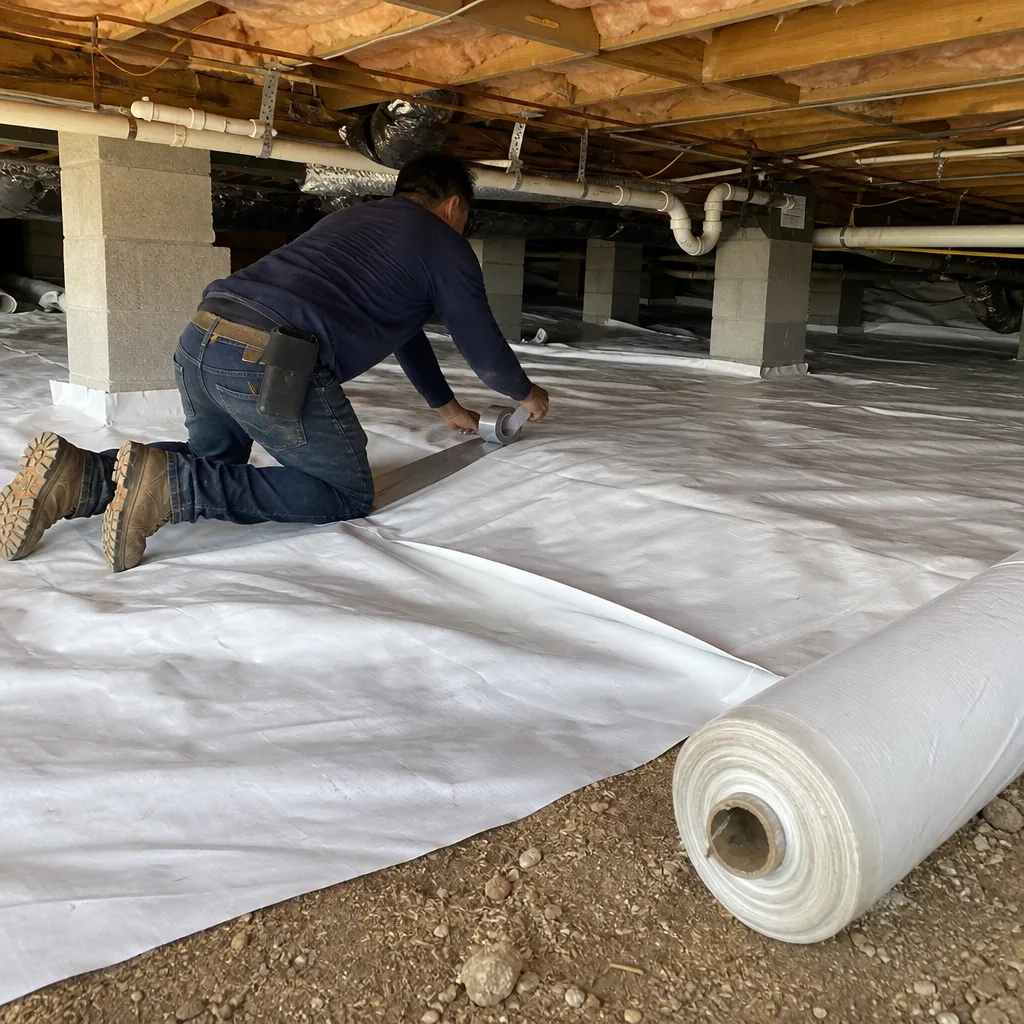
The home page covers the full scope of what Topside Attic Insulation Cedar Park handles – from attic air sealing to crawl space encapsulation to home energy audits. If you’re not sure which service applies to your situation, that’s where to start.
Wes Okafor and the team at Topside Attic Insulation Cedar Park have sealed and insulated more than 9,000 homes since 2016, every one with a written price before work started and a Documented Photo Record when the crew left. The 365-Day Done Right Promise applies to every completed job: if it’s not done right, we make it right. That promise is in writing, not in a marketing tagline.
Cedar Park’s attic conditions are specific – the summer heat load on the Edwards Plateau edge, the concentrated growth of the 2000s that left thousands of homes with builder-grade insulation levels, the neighborhoods that switched utility providers mid-development and now have different rebate paths depending on which side of a street a house sits on. This city’s attic insulation needs aren’t identical to Austin’s, and the pricing reflects that.
Key Takeaways
- Most Cedar Park attic insulation jobs run $1,400 to $3,800 for a typical single-story home; removal and replacement scope can reach $4,500 or more.
- Air sealing before insulation is not optional on a well-executed job – it’s the step that makes the insulation work. Skipping it produces measurably worse results.
- Cedar Park’s climate zone (IECC Zone 2) calls for R-38 minimum; R-49 to R-60 is the practical target given local attic temperatures.
- The blower-door test before and after documents what the air sealing actually accomplished – not what was promised.
- Every Topside Attic Insulation Cedar Park job begins with a Written Price Before Any Work Starts and closes with a Documented Photo Record.
- Federal 25C tax credits and utility rebates may offset part of the cost – confirm eligibility with your utility and tax advisor before relying on them in your budget.
- A Free Second Opinion on any written estimate is available – bring a competing quote and we’ll go through it with you.
Get a Written Price for Your Cedar Park Home
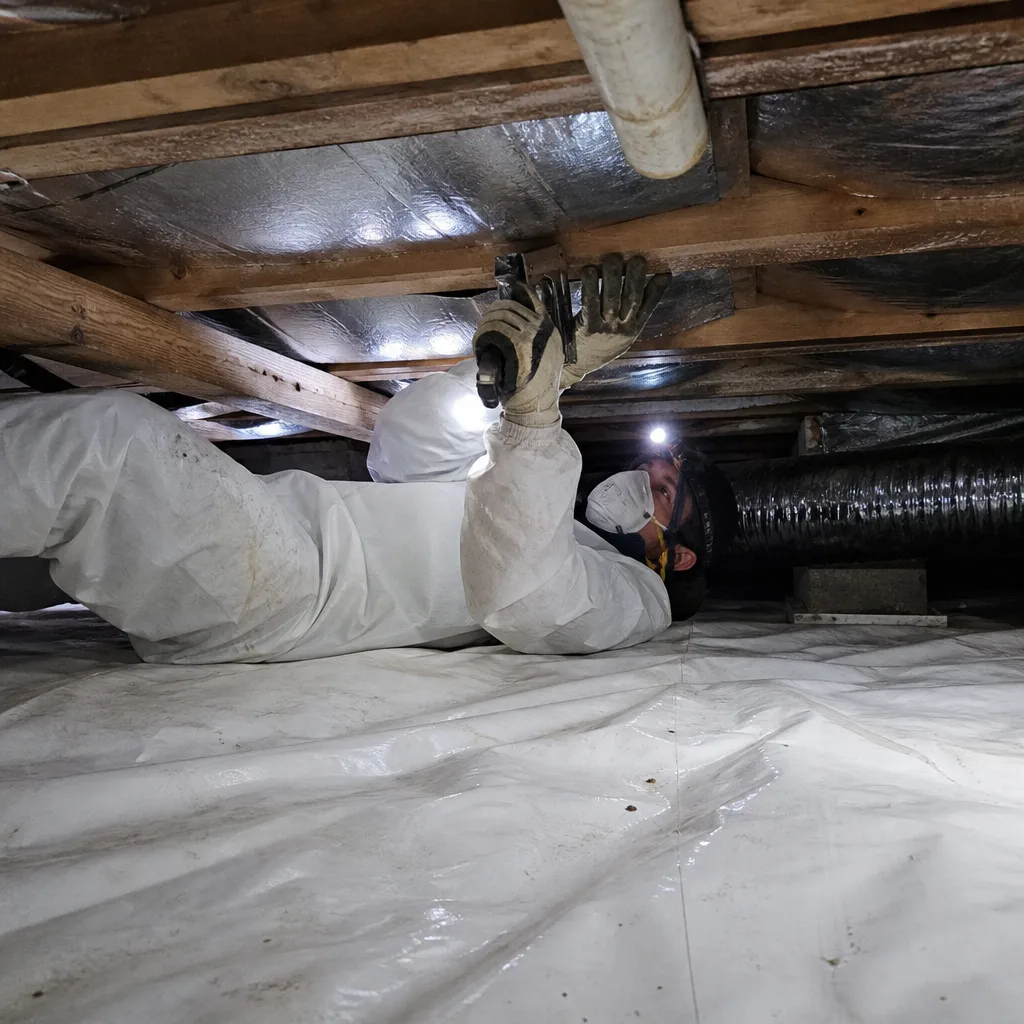
Topside Attic Insulation Cedar Park provides free estimates with a written price before any work is scheduled. If you’re in Buttercup Creek, Twin Creeks, Sendero Springs, Brushy Creek, Forest Oaks, Carriage Hills, or anywhere else in Cedar Park, TX, call (737) 245-6428 to schedule an attic assessment. A live person answers, no voicemail loop, no callback window measured in business days. The price you get is the price you pay – flat, written, and delivered before anyone touches your attic.
Pricing reflects the Cedar Park market as of 2026. Topside Attic Insulation Cedar Park offers free estimates – call (737) 245-6428.
Written by Wes Okafor, Owner at Topside Attic Insulation Cedar Park, serving Cedar Park, TX since 2016.
What Our Customers Say
"They air-sealed the attic floor before insulating and showed me the blower-door number before and after. The upstairs is finally the same temperature as downstairs."
- Marisol D."The winter gas bill dropped by about a third. They had estimated a quarter, so they under-promised."
- Genevieve R."Crawl space encapsulation done properly. Photographs of the vapour barrier at every seam, and the damp smell in the hallway is gone."
- Ainsley P.