

Fast, Reliable Spray Foam Insulation Across Round Rock
Spray foam insulation in Round Rock typically runs $1.80-$3.40 per board foot for open-cell and $2.80-$5.20 for closed-cell, with most whole-attic encapsulations falling between $3,800 and $8,500 depending on whether we’re treating a roof deck, rim joists, or both. Our crews are dispatched from our Austin office and can usually be on-site in Round Rock within 45 minutes to an hour. We’ve worked extensively in Teravista, Forest Creek, and Mayfield Ranch, and we understand the access constraints that come with Round Rock’s dense Dell-era tract layouts. Call (737) 245-6428 for a written price before any work starts.
Why Topside Attic Insulation Cedar Park Is Round Rock’s Preferred Spray Foam Insulation Company
We’ve sealed and insulated over 9,000 homes since 2016, and a significant share of them sit right here in Round Rock. The pattern is unmistakable: subdivisions built during the Dell boom are all aging out on the same schedule, and homeowners are comparing notes at neighborhood barbecues about whose utility bill dropped after spray foam and whose air handler finally stopped failing every August.
Our reviews from Round Rock customers consistently mention two things: the blower-door numbers we leave behind, and the fact that we actually show up when we say we will. Under Haven Standard: Arrive on schedule, you get a named technician and a text when they are on the way.
Response time to Round Rock is typically same-day or next-day for standard bookings, and our 24/7 live-answer line means you’re talking to a person, not a callback queue, when a freeze is forecast and you’re worried about attic PEX. We know which Round Rock HOAs require pre-approval for exterior foam work, which fire marshal jurisdictions want ignition-barrier documentation, and where the alley-load townhomes in newer sections make rig access a genuine planning problem.
Our Spray Foam Insulation Services in Round Rock
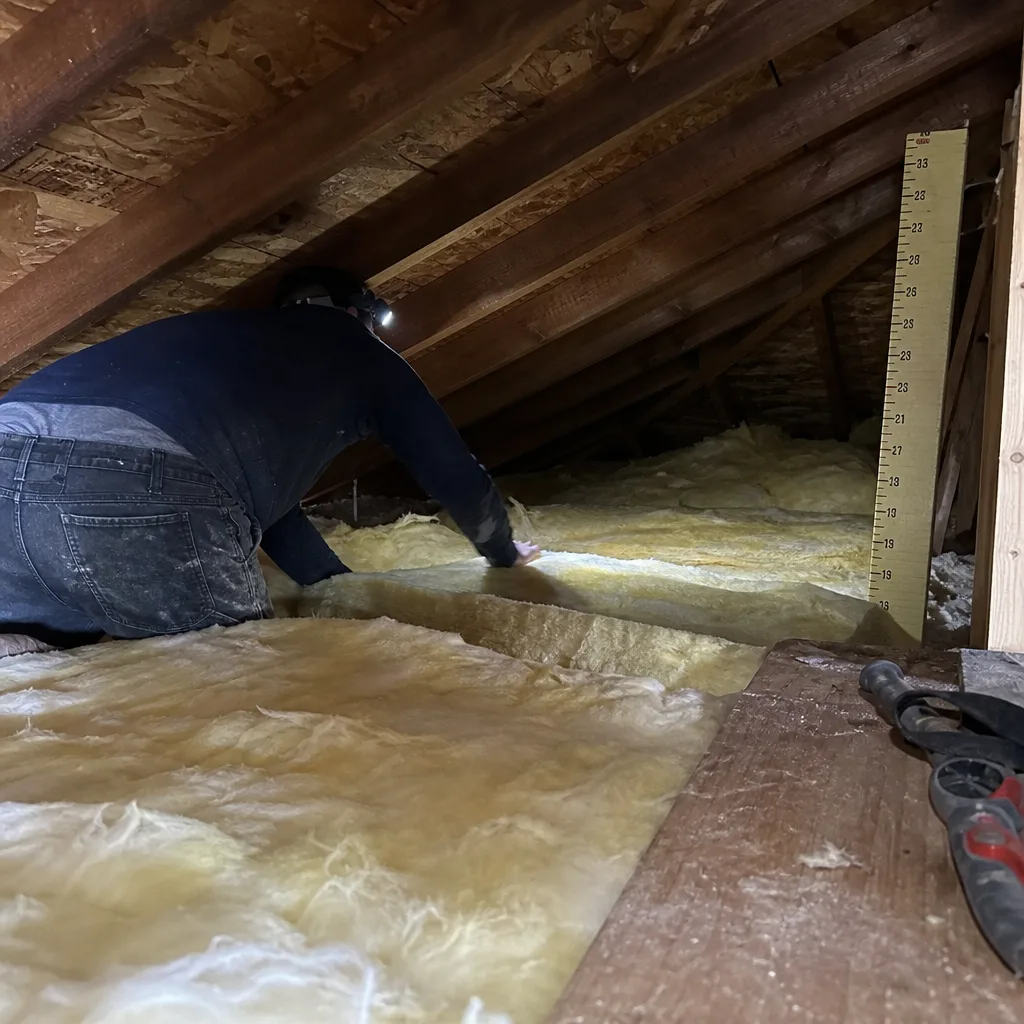
Closed-Cell Spray Foam
Closed-cell spray foam - the denser, moisture-resistant variety at roughly 2 pounds per cubic foot - is what we use for Round Rock’s most critical envelope upgrades. In Dell-era homes across Forest Creek and Teravista, we apply it to roof decks and rim joists where the original R-30 fiberglass has compressed to near-uselessness. The foam adds structural rigidity, blocks bulk water, and at R-6.5 per inch, it packs more thermal resistance into tight cavities than any alternative. For homes with attic-routed air handlers, closed-cell on the roof deck is often the single most cost-effective upgrade we can make.
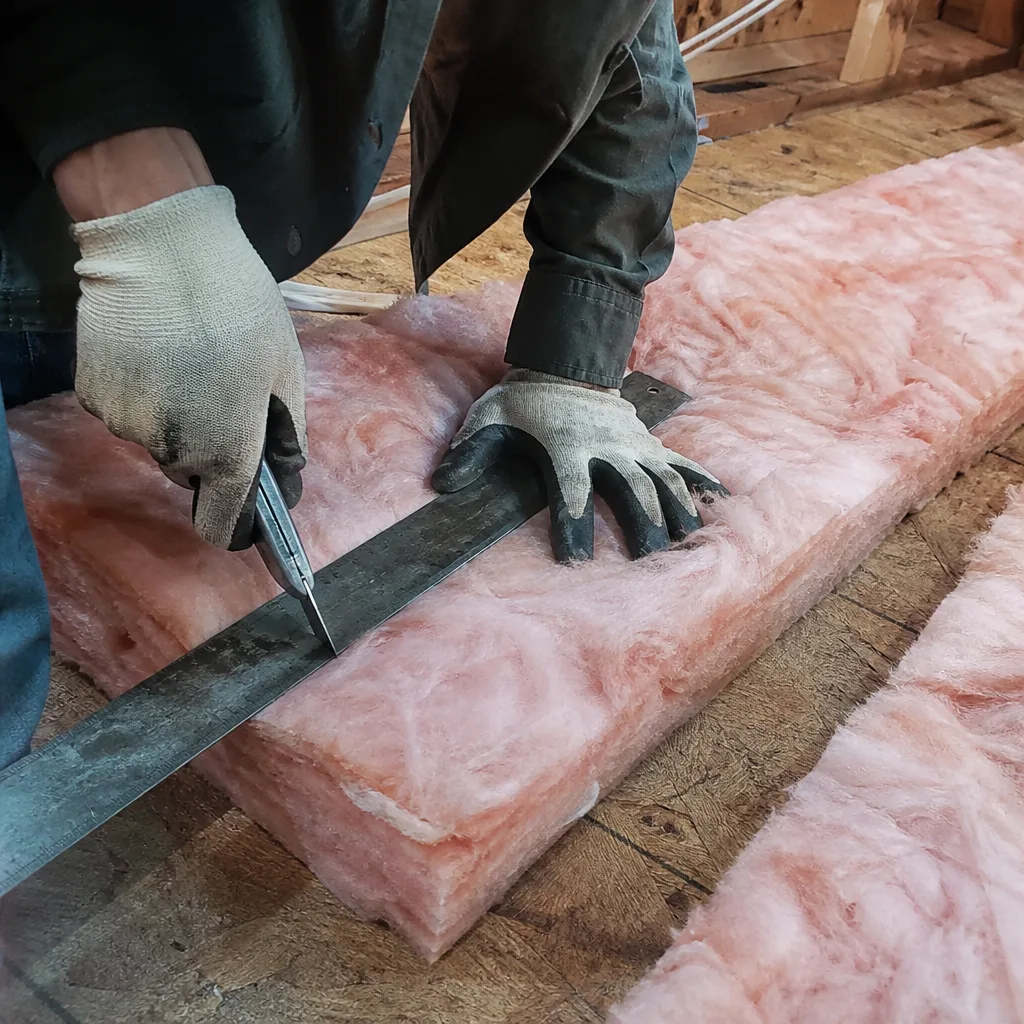
Open-Cell Spray Foam
Open-cell spray foam - lighter, softer, and more cost-effective at R-3.6 per inch - works well for interior wall cavities and sound control in Round Rock’s townhome and duplex stock. It’s not our first choice for roof decks or below-grade rim joists where moisture is a concern, but for partition walls between units in dense developments near Old Settlers Boulevard, it stops airborne noise transfer without the weight or cost of closed-cell. We source open-cell from Johns Manville and Knauf, among others, and we never lock you into a proprietary product.
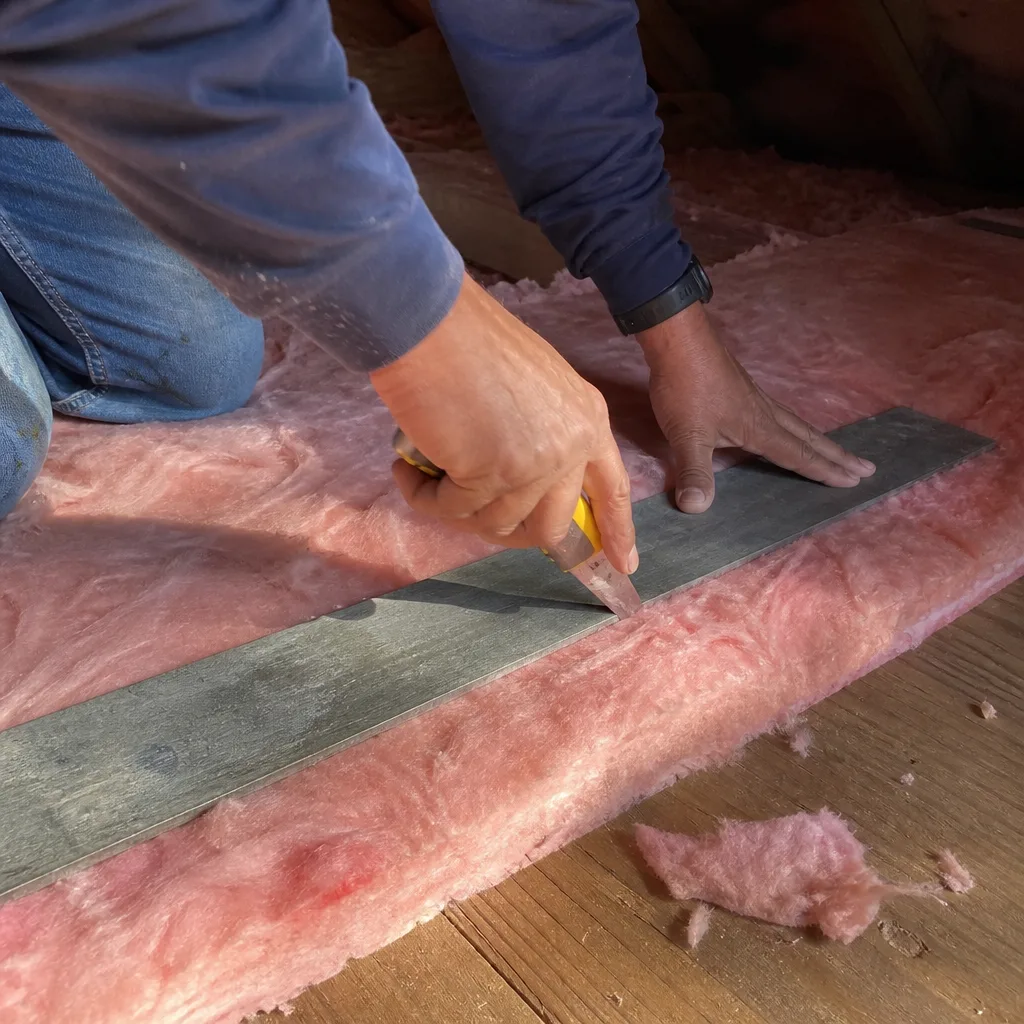
Spray Foam Roof Deck
This is the upgrade that changes everything in Round Rock’s vented-attic tract homes. We apply closed-cell spray foam directly to the underside of the roof deck and gable walls, converting the entire attic from a 155°F oven to conditioned space. The air handler and ducts - previously radiating heat back into your supply air - now operate in a stable environment. Your HVAC equipment stops fighting itself. Upstairs rooms hold setpoint. And the PEX and copper lines routed through that attic gain freeze protection they never had. We’ve done this dozens of times in Teravista alone.
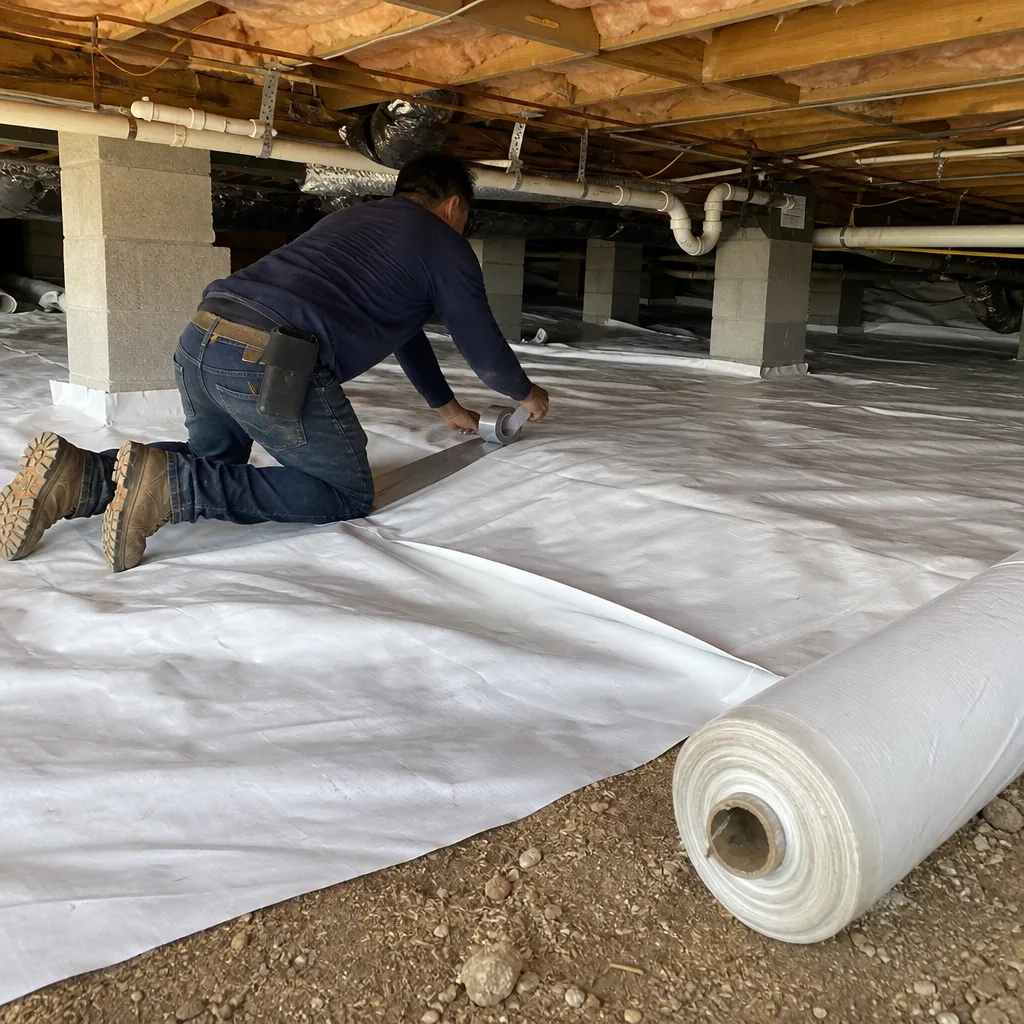
Rim Joist Spray Foam
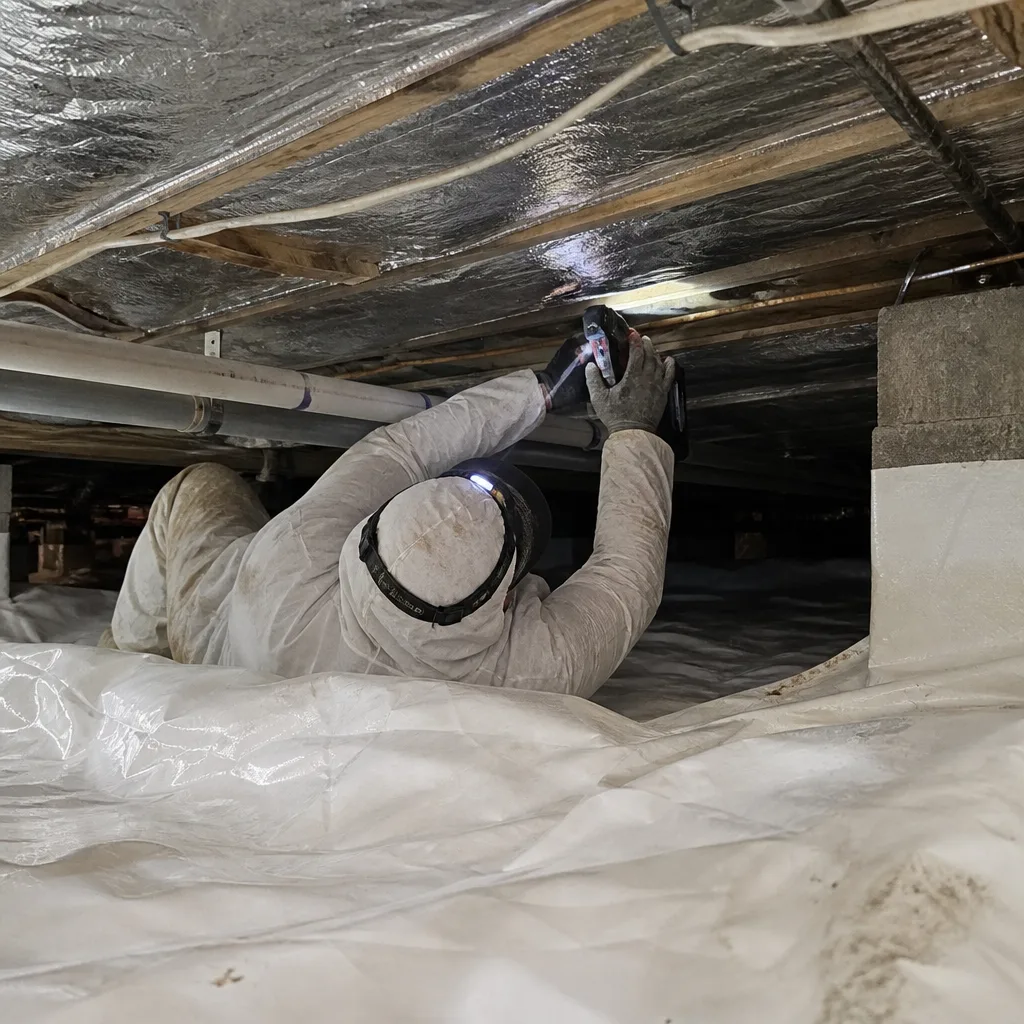
The rim joist - the perimeter band where your foundation walls meet the first floor - is often the leakiest single plane in a Round Rock slab-on-grade home. Volume builders in the 1990s and 2000s typically left these cavities empty or stuffed with scrap fiberglass. We seal them with closed-cell spray foam, stopping the stack effect that pulls outdoor air through your walls and into your living space. In Mayfield Ranch and similar developments, this is standard practice on every job before we touch the attic.
Garage Ceiling Spray Foam
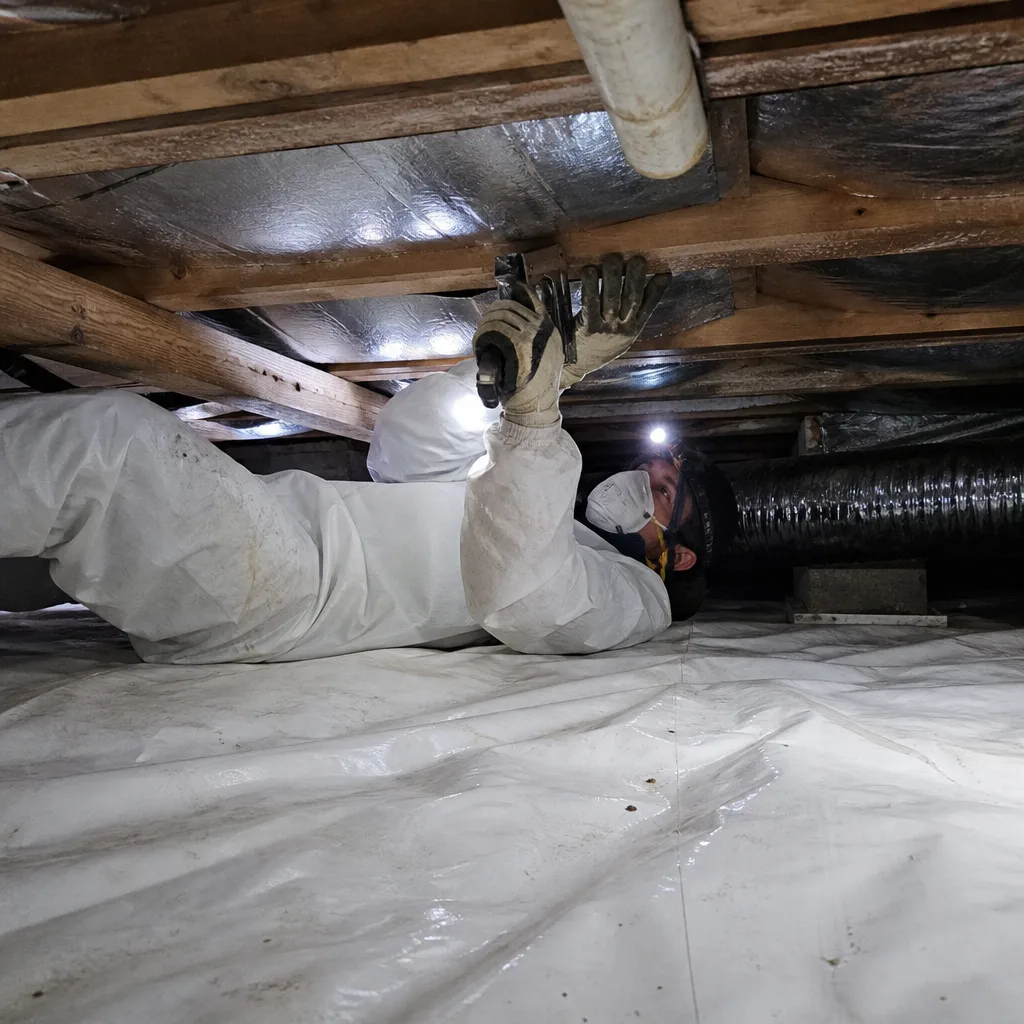
Round Rock’s attached garages - especially in homes with bonus rooms above - create a massive thermal bridge when the ceiling is uninsulated. We spray foam the garage ceiling plane, separating the conditioned space above from the unconditioned garage below. This matters for rooms over garages that never seem to cool properly, and it matters for fire separation in jurisdictions that require it.
What happens when you call
- 1
A real person answersNo phone trees - you reach a local pro.
- 2
You get an upfront price rangeHonest numbers before anyone is dispatched.
- 3
A background-checked tech heads outLicensed & insured, dispatched right away.
- 4
You approve before work beginsNothing starts until you say go.
Trusted Brands We Service in Round Rock
We stock and install materials from Johns Manville, Knauf, Rockwool, and CertainTeed, among others. No proprietary lock-in, no single-source obligation. For Round Rock customers, this means we can match the right product to the specific assembly - closed-cell from one manufacturer for a roof deck, open-cell from another for interior walls - without waiting on special orders. Our rigs carry multiple formulations, and our technicians are trained on the full range. If a particular HOA or fire jurisdiction in Round Rock requires a specific ignition-barrier classification or third-party certification, we can source it without delaying your job.
Common Spray Foam Insulation Problems We See in Round Rock Homes
- Compressed, settled R-30 fiberglass in Dell-era attics. The original blown fiberglass in Teravista, Forest Creek, and Mayfield Ranch homes has sagged away from the roof deck over 20-30 years, leaving gaps where conditioned air escapes and radiant heat pours in. We remove it before we foam.
- Air handlers and ducts cooking in 150°F-plus vented attics. Your AC unit is essentially operating inside an oven, shortening equipment life and raising supply-air temperatures before the air ever reaches your vents. Attic encapsulation with closed-cell spray foam on the roof deck solves this permanently.
- Frozen or burst PEX in attic spaces during blue-norther events. Round Rock’s position below the Balcones Escarpment exposes it to rapid 40°F temperature drops that mild-winter coastal markets never see. Conditioned attics protect attic-routed plumbing in ways that vented attics cannot.
- Tight alley-load and townhome access blocking spray foam rigs. Dense Round Rock developments often can’t accommodate a full-size rig at the structure. We plan hose runs, staging, and parking in advance - a failure point that has derailed other contractors who didn’t survey access before quoting.
Pricing for Spray Foam Insulation in Round Rock, TX
Most spray foam insulation jobs in Round Rock fall within these ranges:
| Application | Typical Range |
|---|---|
| Open-cell spray foam (walls, sound control) | $1.80-$2.80 per board foot |
| Closed-cell spray foam (roof deck, rim joists, moisture-exposed areas) | $2.80-$5.20 per board foot |
| Attic roof deck encapsulation (typical 1,800-2,400 sq ft home) | $3,800-$6,200 |
| Rim joist treatment (full perimeter) | $1,200-$2,400 |
| Garage ceiling (two-car, standard height) | $1,800-$3,200 |
What moves you within these ranges: attic square footage, existing insulation removal needs, roof deck accessibility, whether ignition barriers are required, and how tight the access is for our rig and hose setup. Every job gets a Written Price Before Any Work Starts - Haven Standard Clause 1 - and we offer a Free Second Opinion on any written estimate you’ve already received. Call (737) 245-6428 for your written price.
We Also Serve Cities Near Round Rock
Our crews work throughout the northern Austin metro, including Round Rock, Pflugerville, Hutto, Georgetown, and Cedar Park. Dispatch and scheduling are coordinated from our Austin office, but the technicians who arrive at your door know these subdivisions and their specific building patterns. If you’re in a nearby city and found this page searching for Spray Foam Insulation, we cover your area too.
Serving Round Rock, TX - Our Local Coverage Area
We’re based in the Round Rock area and know this community well. Use the map below to see our service coverage - if you’re nearby, we can almost certainly help.
FAQs - Spray Foam Insulation in Round Rock
It converts a 155°F vented attic into conditioned space, which directly solves the two biggest problems in these homes: HVAC equipment cooking itself and supply ducts radiating heat back into the air you’re paying to cool. In Teravista we foamed the entire roofline of a 2003 two-story where the original R-30 fiberglass had settled to a compressed mat and the air handler sat exposed in a vented attic that hit 155°F on July afternoons. We applied closed-cell spray foam to the roof deck and gable walls, converting the attic to conditioned space and taking the duct runs out of the oven. The homeowner’s upstairs rooms, which had never held setpoint before, finally cooled, and the winter freeze risk to the attic-routed PEX dropped sharply. Call (737) 245-6428 for a written price on your roof deck encapsulation.
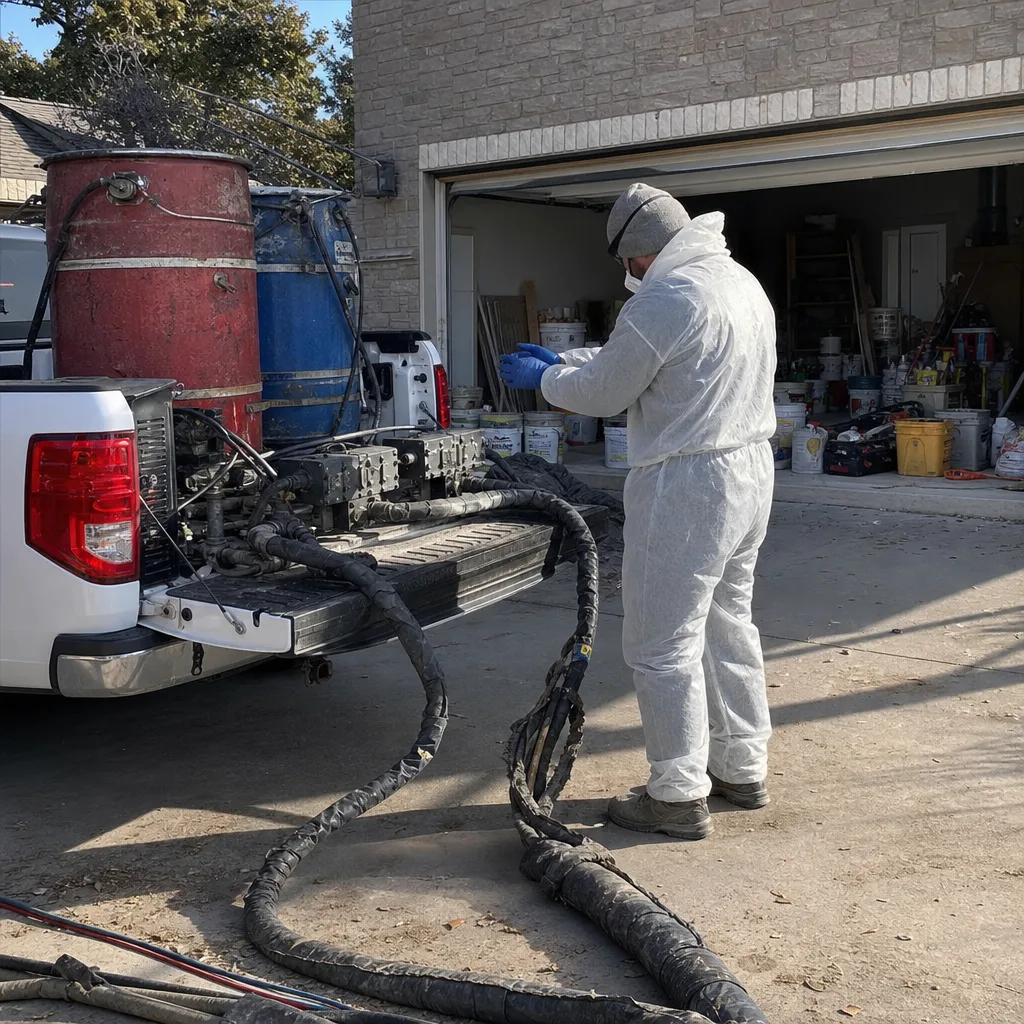
Yes, and we plan for it before we quote. Dense tract layouts in Round Rock mean spray foam rigs and hoses often can’t reach the attic directly, so we survey parking constraints, hose-run distances, and staging areas during our initial visit. We don’t show up and discover the problem on install day. Call (737) 245-6428 and we’ll walk through your specific access situation.
Yes, significantly. A conditioned attic - one where the roof deck is sealed with closed-cell spray foam - maintains temperatures much closer to the living space below, protecting attic-routed PEX and copper lines during rapid freeze events. It doesn’t eliminate the need for pipe insulation in extreme cases, but it removes the worst-case scenario of a vented attic dropping to ambient outdoor temperature in hours. Call (737) 245-6428 for a written price and we’ll include the specific freeze-risk details for your home’s plumbing layout.
Because after 20-30 years, that fiberglass has compressed, settled, and likely pulled away from the roof deck, leaving gaps where air moves freely. The R-30 rating only applies to full, uncompressed thickness, and in Round Rock’s Dell-era homes we’ve found original attic insulation performing at effectively R-15 or lower. Meanwhile, your air handler and ducts are still exposed in a vented attic that hits 150°F-plus. Spray foam doesn’t settle, doesn’t compress, and seals air leaks simultaneously. Call (737) 245-6428 for a free estimate - we’ll show you exactly what we find.
The building stock is similar - same era, same builder-grade original insulation, same vented-attic HVAC routing - so the technical approach is consistent: air seal first, then insulate, with blower-door verification. What varies is access and HOA requirements. Forest Creek has different rig-staging constraints than Teravista, and Mayfield Ranch’s newer sections have tighter alley-load configurations. We adjust our logistics, not our standards. Every job gets the same written scope, same documented photo record, and same before-and-after blower-door numbers where applicable. Call (737) 245-6428 for a written price specific to your home and subdivision.
Written by Wes Okafor, Owner at Topside Attic Insulation Cedar Park, serving Round Rock since 2016 under The Haven Standard.